



School of Law graduates encouraged to uphold ‘venerable tradition’ of unpaid service to the disadvantaged
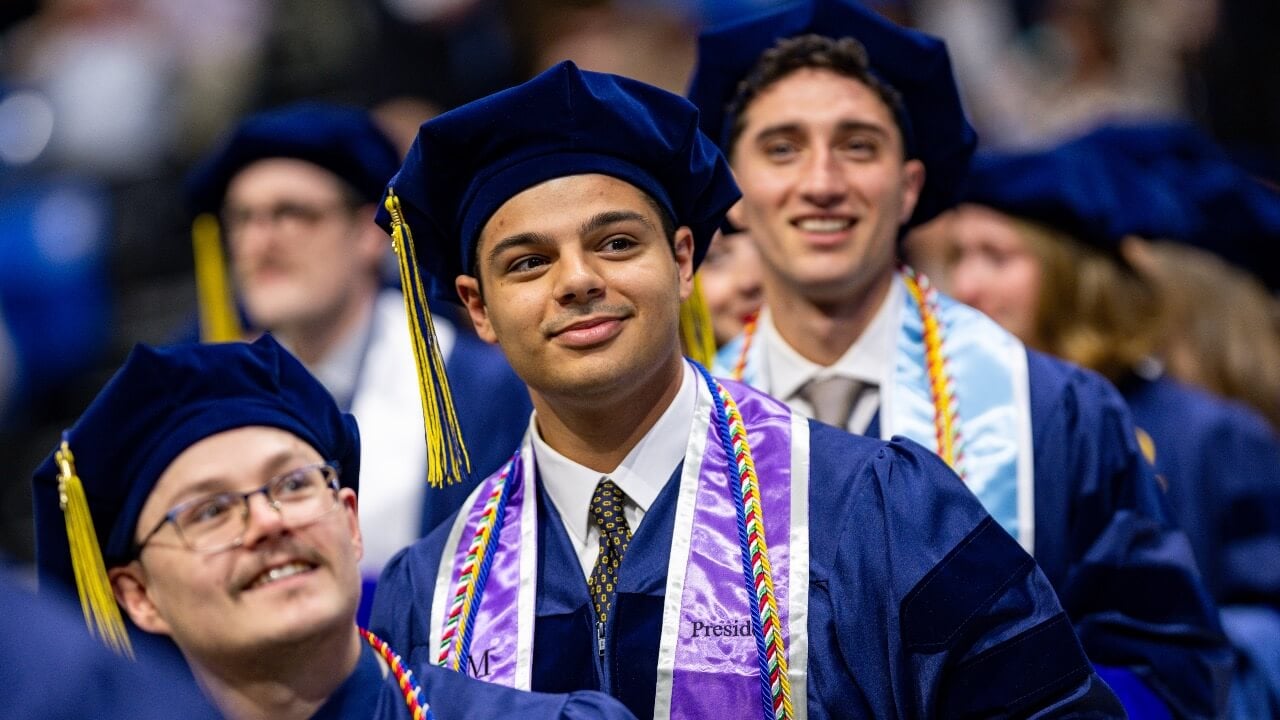
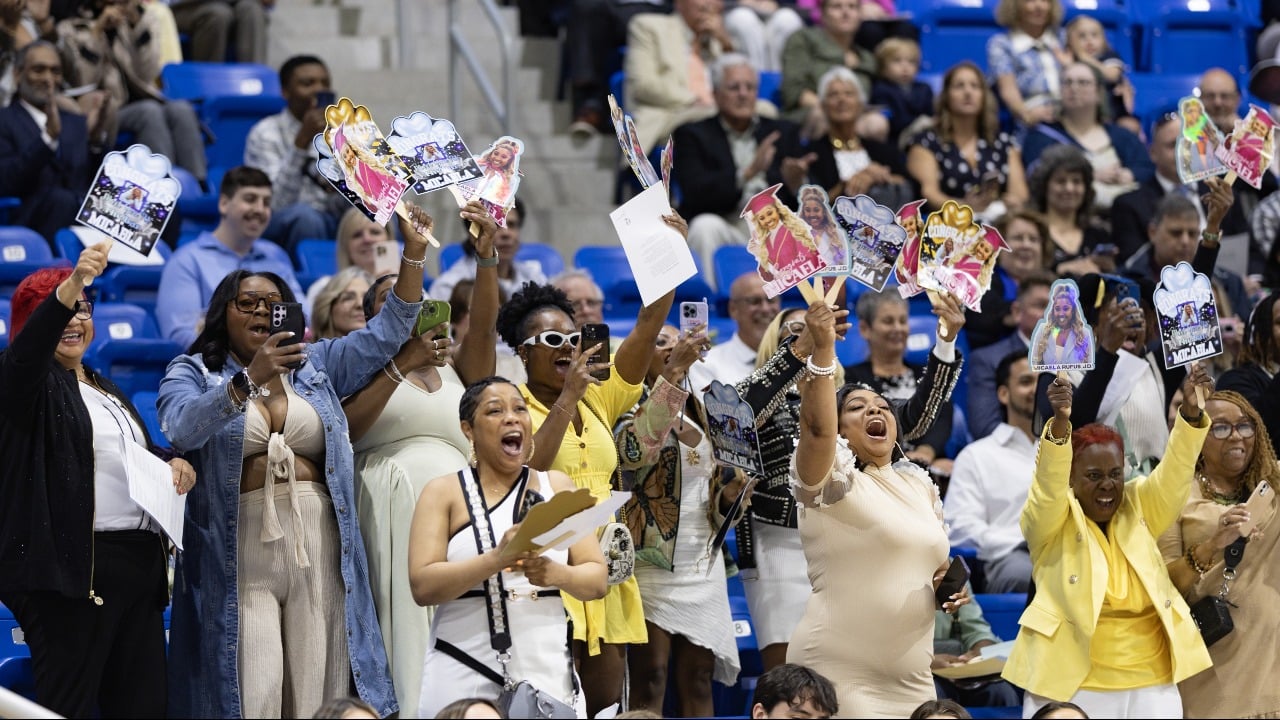
School of Law Commencement 2026
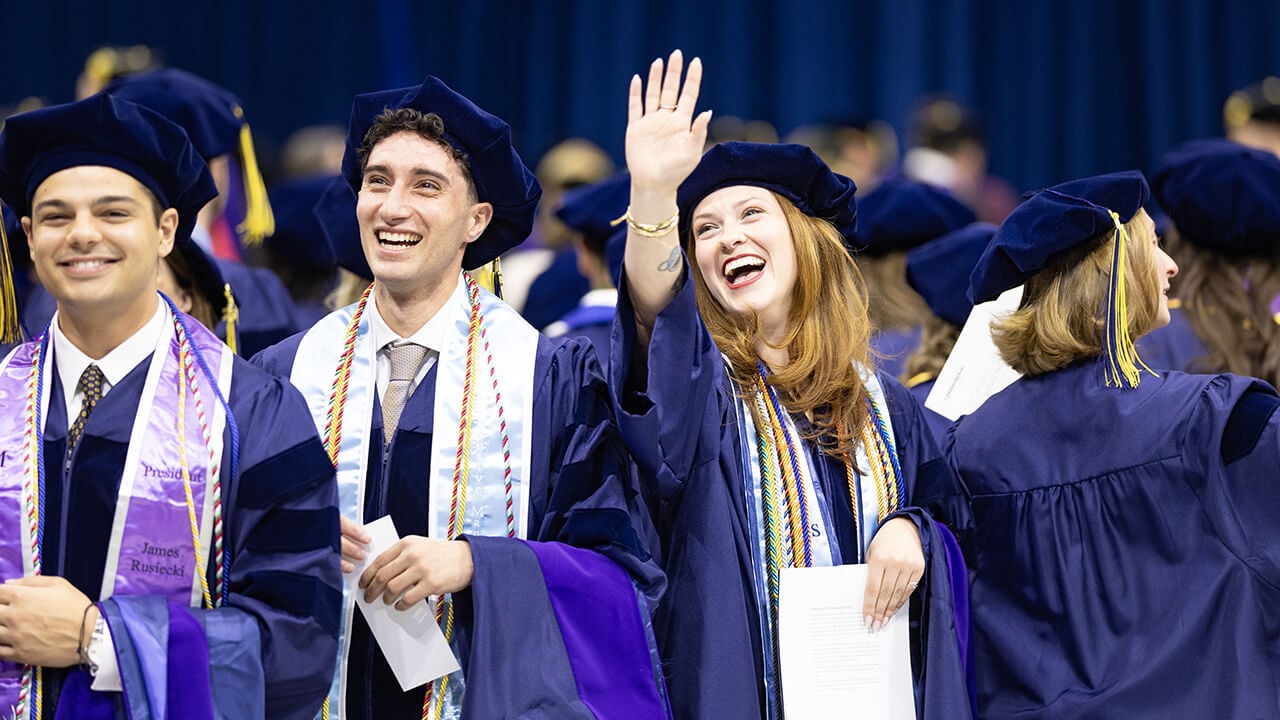
School of Law Commencement 2026
“Being a lawyer is about more than making a living,” said Shea, a native of Hartford, Connecticut, who serves as a member of the Judicial Council of the U.S. Court of Appeals for the Second Circuit. “Because, while law is a business, it is also a profession. And one of the things that has made it a profession, and has distinguished it from many other occupations, is the tradition of providing pro bono legal services to persons of limited means.”
Addressing the 111 new graduates and their guests at M&T Bank Arena on Friday afternoon, Shea cited John Adams’ successful defense of British soldiers charged with firing on a mob of Boston colonists in 1770, an inciting incident of the American Revolution. He then reflected on his own experience providing unpaid work to an elderly woman in an eviction case in Washington, D.C., a moment that would profoundly impact his long and distinguished legal career.
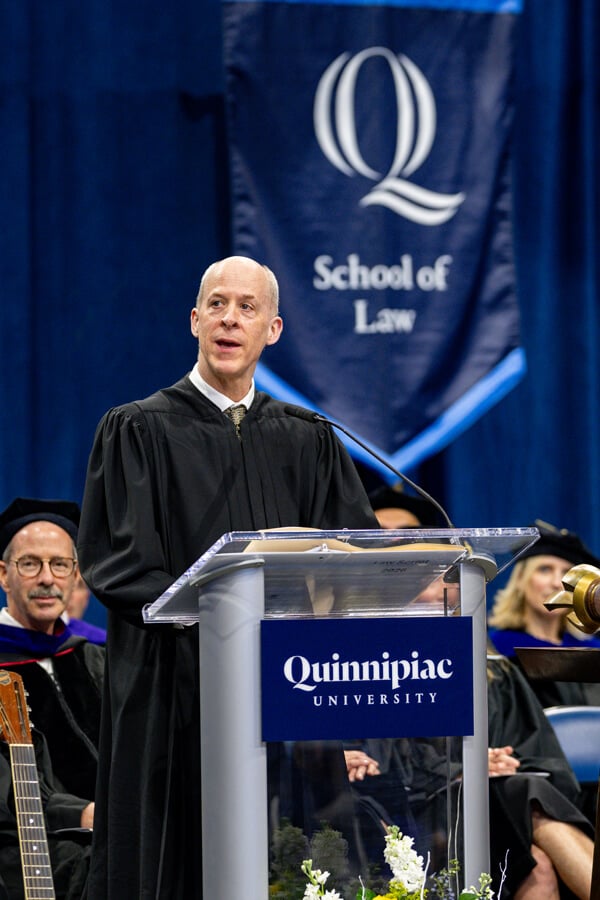
“Michael, I could not have been represented any better if Thurgood Marshall was my lawyer,” read the note the client wrote him, a keepsake that’s been in his possession for over 30 years.
“I can tell you one thing,” Shea said, “no paying client ever compared me to Thurgood Marshall.”
Shea was sworn in as a United States District Judge on December 31, 2012. Before joining the bench, he was a partner at Day Pitney, and, previously, Day, Berry and Howard, where he focused on commercial litigation, mass torts, First Amendment matters and white-collar criminal defense.
For his exemplary work in private practice on behalf of indigent persons in civil and criminal cases, Shea received numerous awards from both the Hartford County and Connecticut Bar Associations.
“After you get your law license, find a more experienced lawyer to supervise you and take on a pro bono matter,” Shea urged the graduates. “You’ll be carrying out your professional responsibility, and you’ll be living up to a worthy tradition of the profession you are about to join. And if you make pro bono work a steady part of your career, your career will benefit and your life will be enriched.”
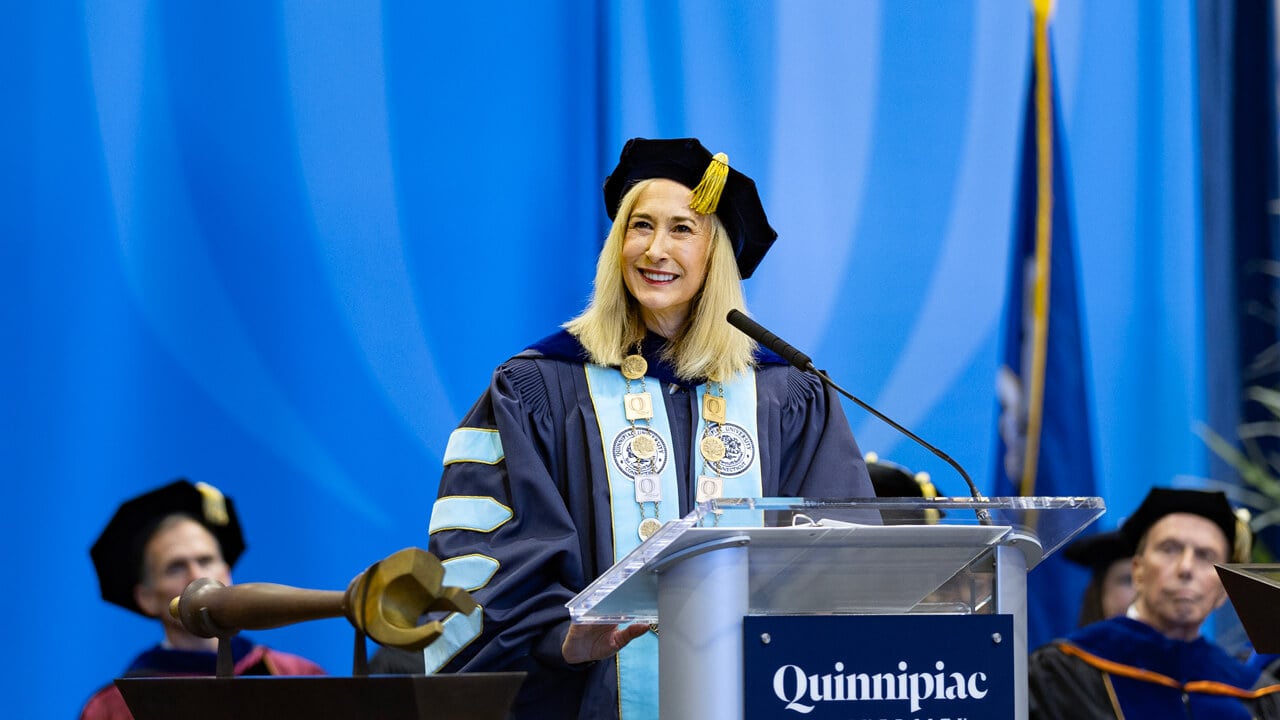
President Marie Hardin thanked the Class of 2026, noting that while their ambition is impressive, their true distinction lies in their culture of kindness, inclusivity and an “eagerness to help others succeed.”
“You haven’t been ambitious only for yourself,” Hardin said. “Whether through local service, through your research, through simply being there for your classmates, you’ve demonstrated a deep commitment to the idea that your success is reflected in that of others. I commend you for that.”
School of Law Dean Brian Gallini acknowledged the many family members and friends in attendance, whose “steadfast support has been the foundation upon which our graduates have built their success,” he said.
Gallini invoked the extraordinary survival efforts of the explorer Ernest Shackleton, who captained a doomed expedition to Antarctica in 1914 and later sailed a lifeboat more than 800 miles to safety. Shackleton’s grit and perseverance established the framework for how an attorney can serve clients gallantly in the face of dire circumstances, he said.
“I realize, of course, that your clients are unlikely to be stranded on Antarctic ice,” Gallini said. “Your emergencies will often arrive by email. Your crises will unfold in conference rooms, courtrooms and late night phone calls from people who are frightened and who need someone they can trust. The settings could hardly be more different. But the core demand is exactly the same: the ability to make sound decisions, for other people, when the path forward is genuinely unclear.”
Shianne Marie Taylor, JD ’26, president of the Student Bar Association, delivered the student address.
“As we go into this next chapter of our lives, I encourage you to take the lessons that you’ve learned along the way with you,” Taylor said. “When we leave here, there may not be a steady schedule to follow every day, or the end of the semester to know that it’s time to level up. But we can rest assured that we have all the tools. Strive to be better every day. Take that same fire and passion you had in your first year to learn, to question, to be curious into this new chapter of life.”
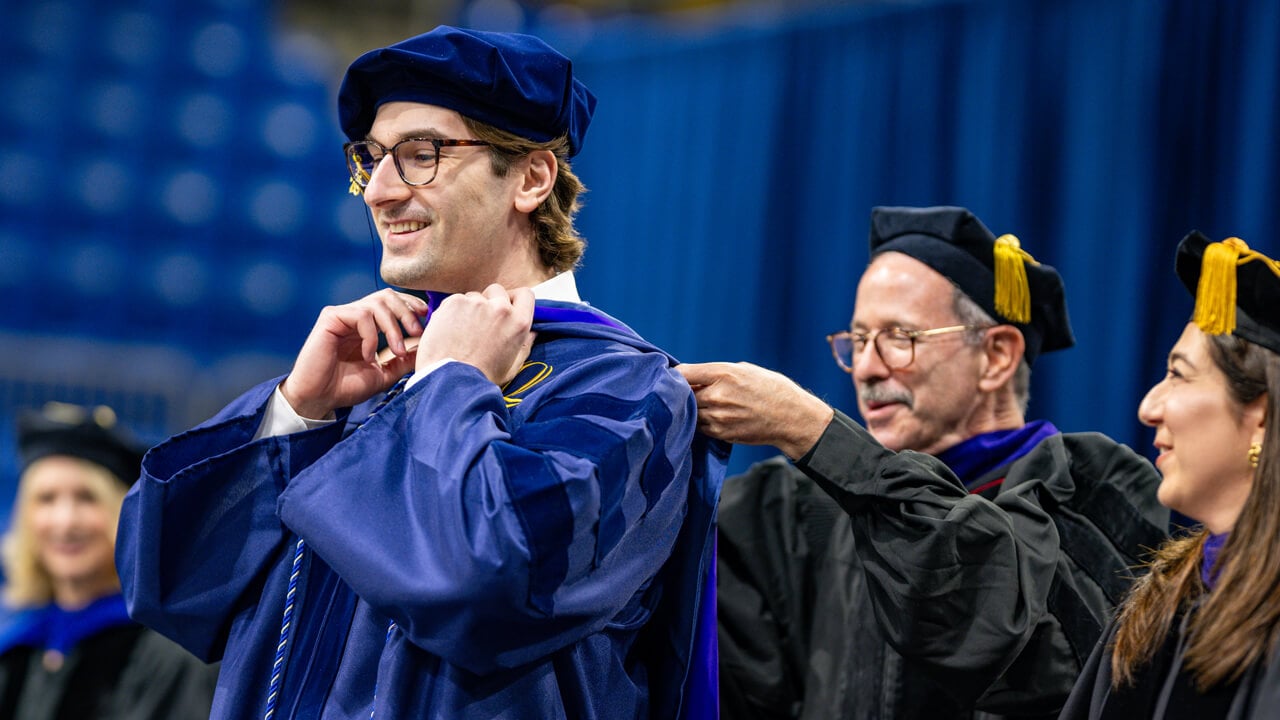
Retiring law professor W. John Thomas, chosen by the class as professor of the year, opened with a heartfelt and humorous speech before asking Taylor to hood him, a ceremonial gesture that cemented his connection to the students.
“For these three years, we have shared a journey,” Thomas said. “I have learned so much from you. What I want you to know is that getting a JD transformed my life and it will transform yours. I’ve been privileged to witness your transformation. Cherish this moment.”
Provost Debra Liebowitz began the proceedings with the call to Commencement before Olivia Ventura, JD ’26, sang the National Anthem. Alumni association board member Adam Swanson, JD ’08, a partner at McCartner & English LLP, concluded the ceremony by welcoming the new graduates into the community of Bobcat alumni.

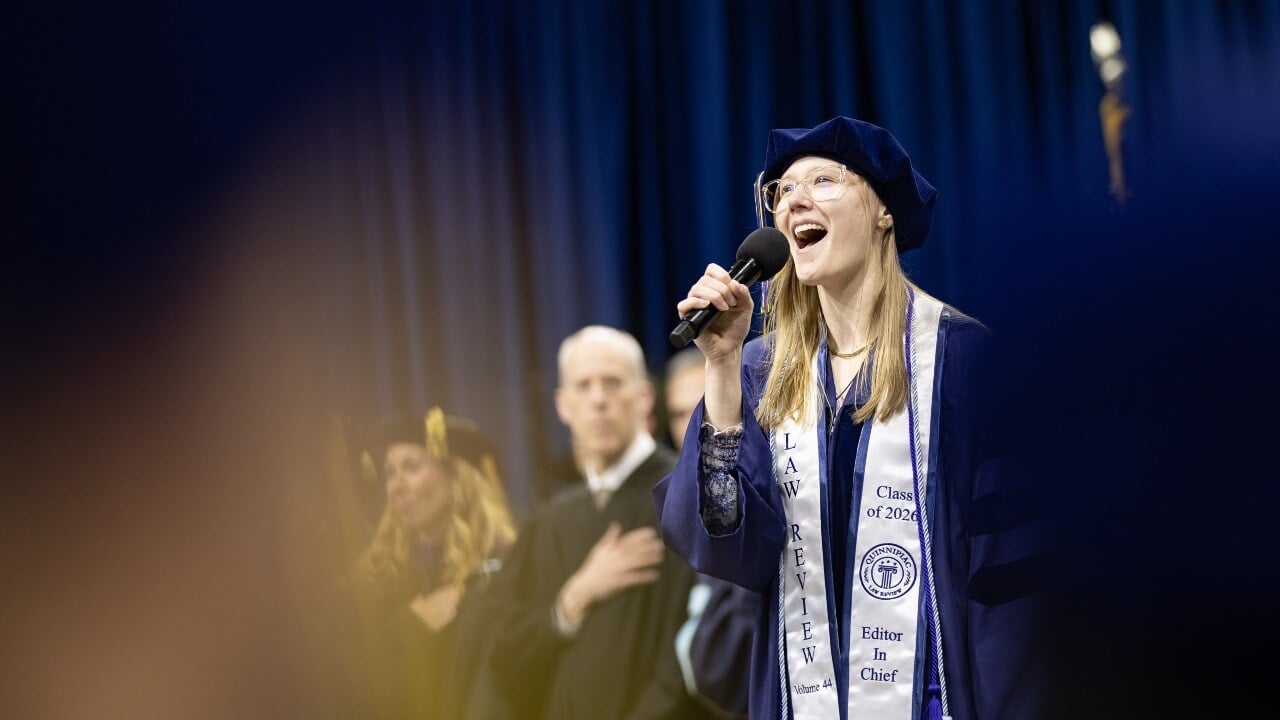
Olivia Ventura, JD ‘26, performed the National Anthem.
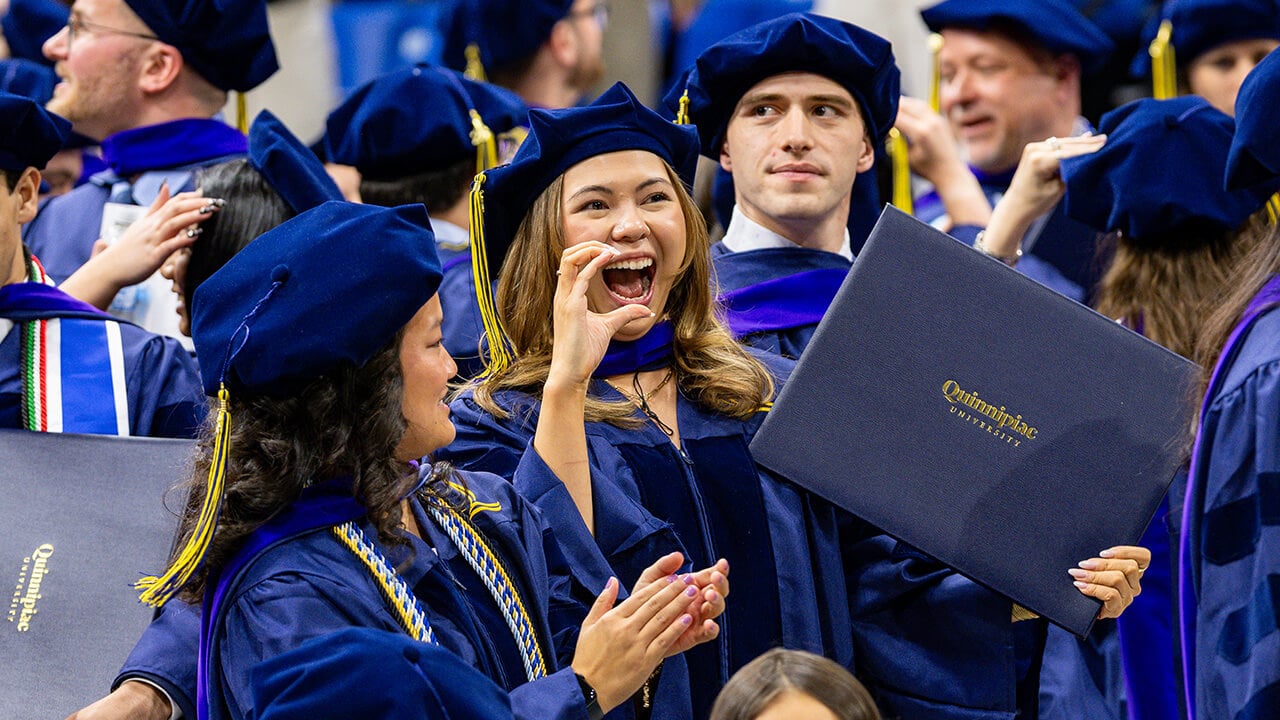
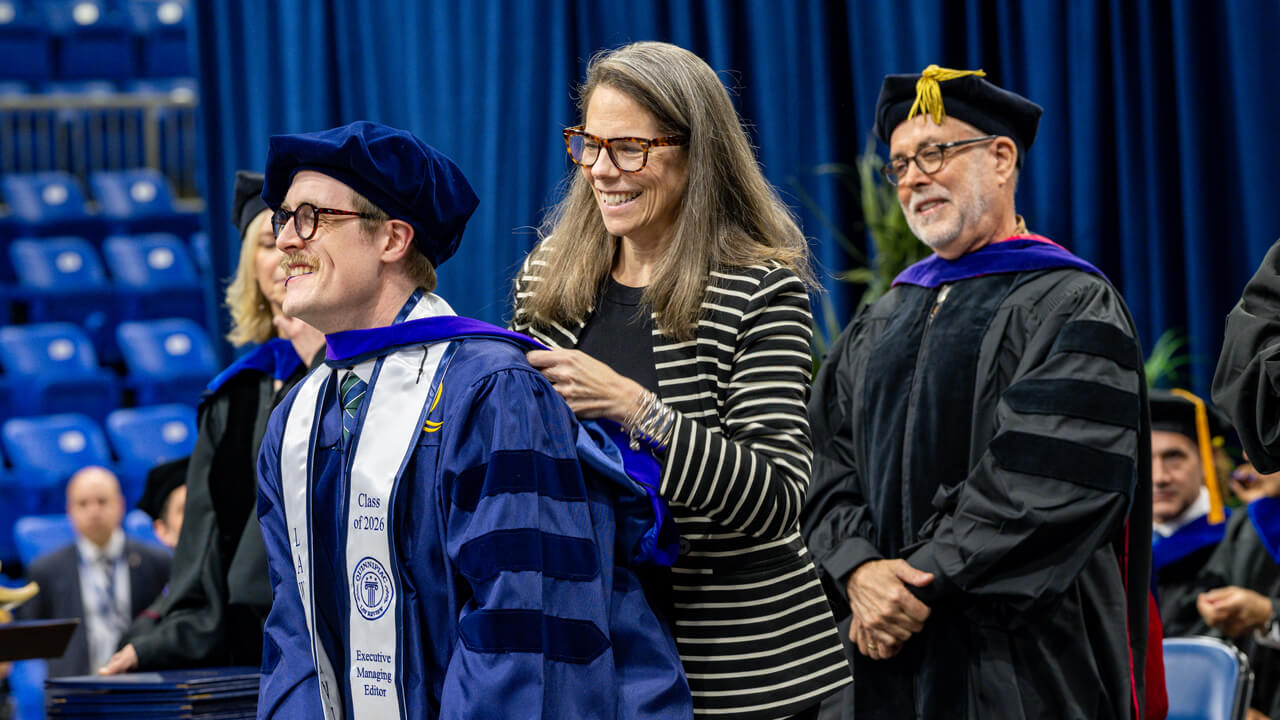
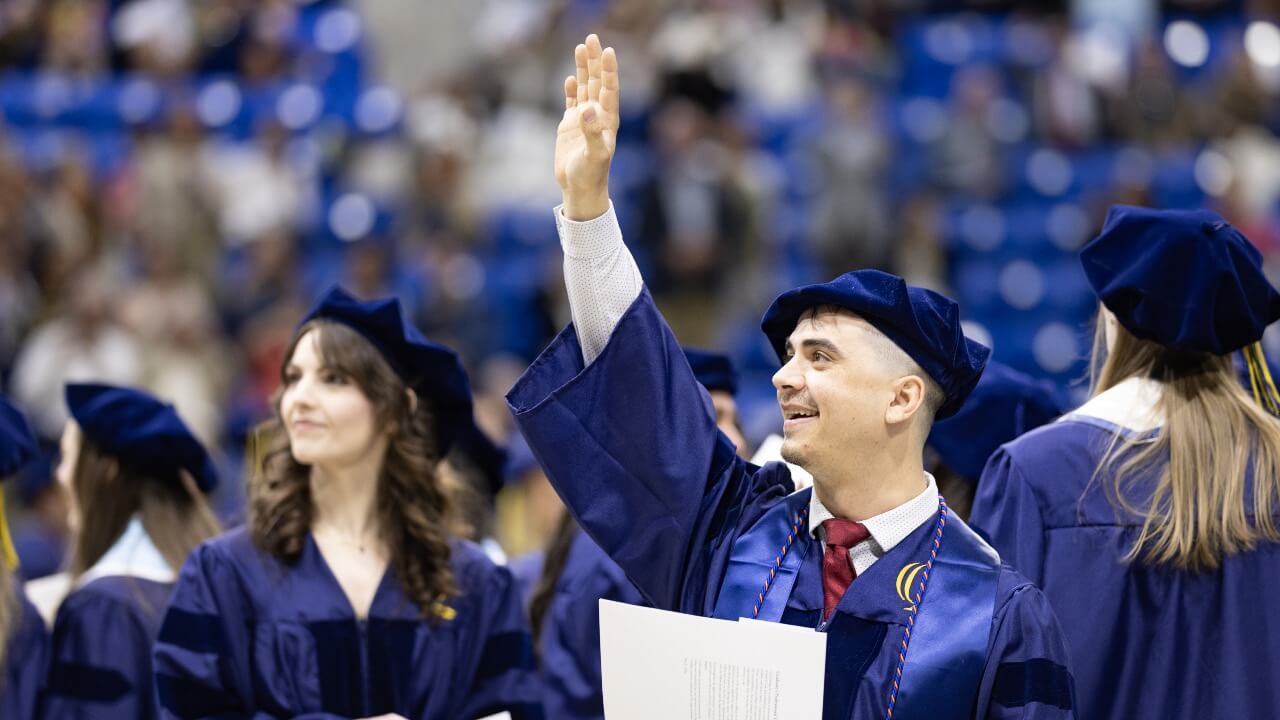
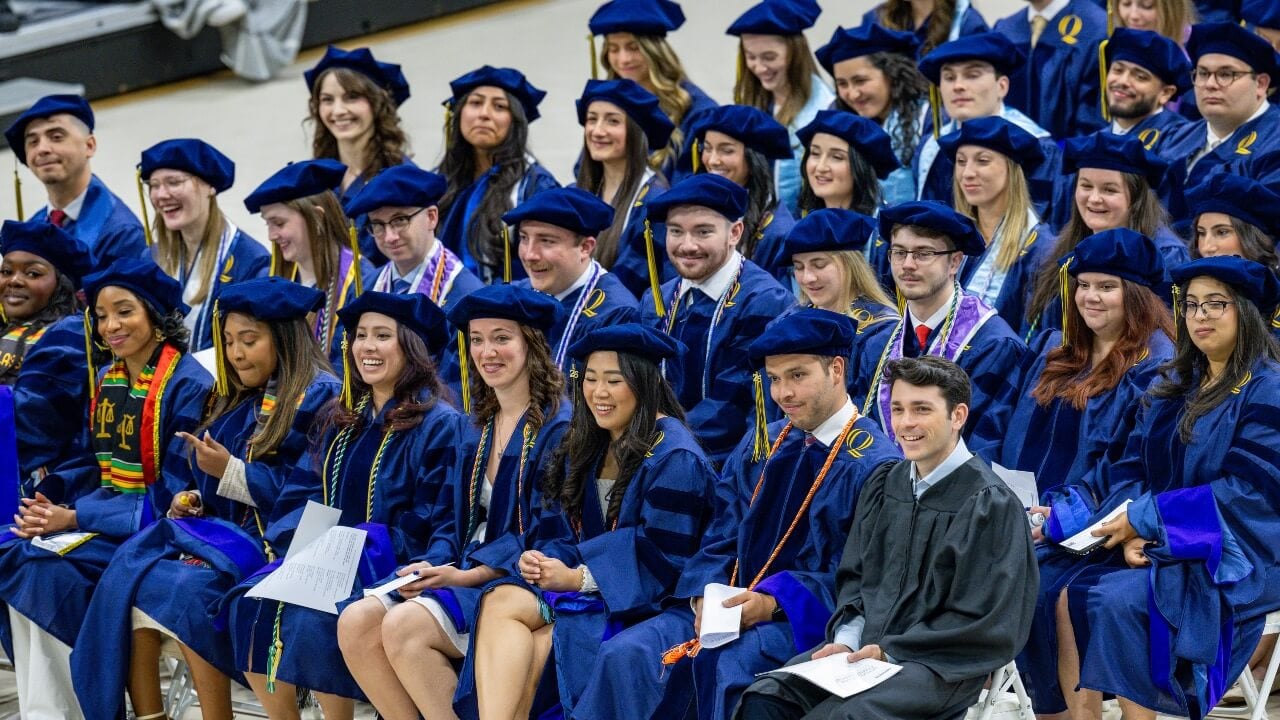
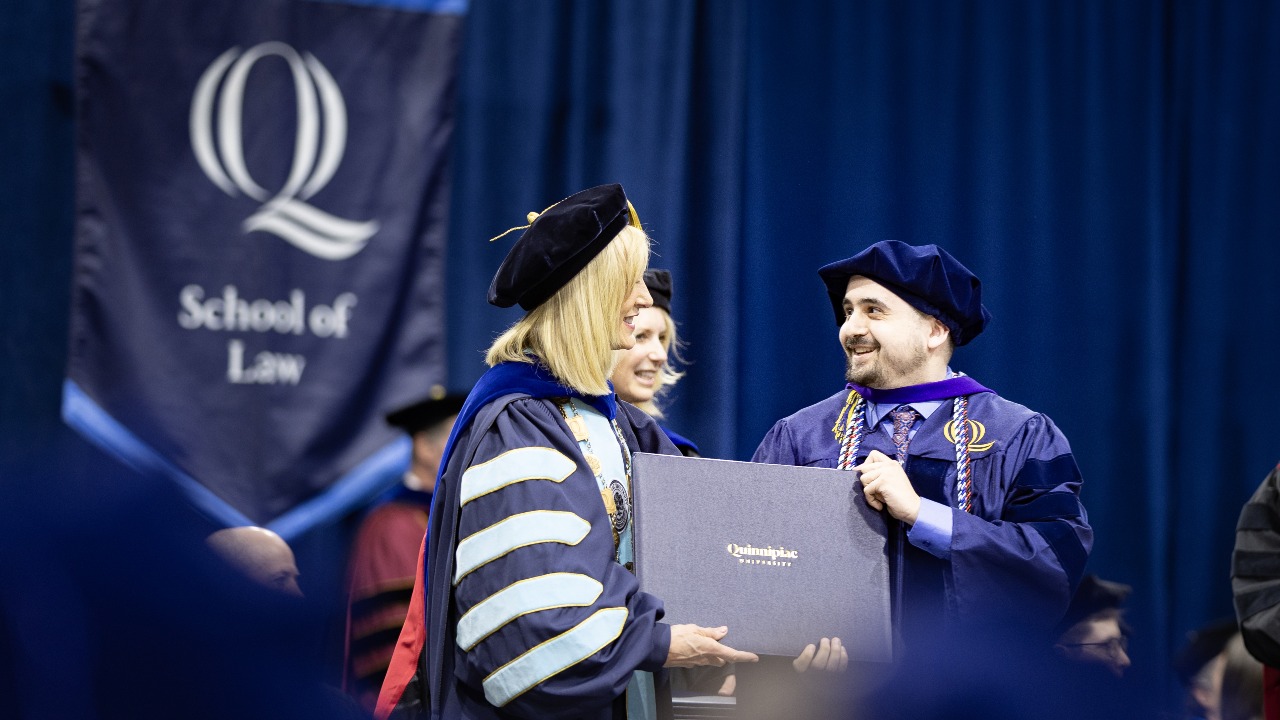
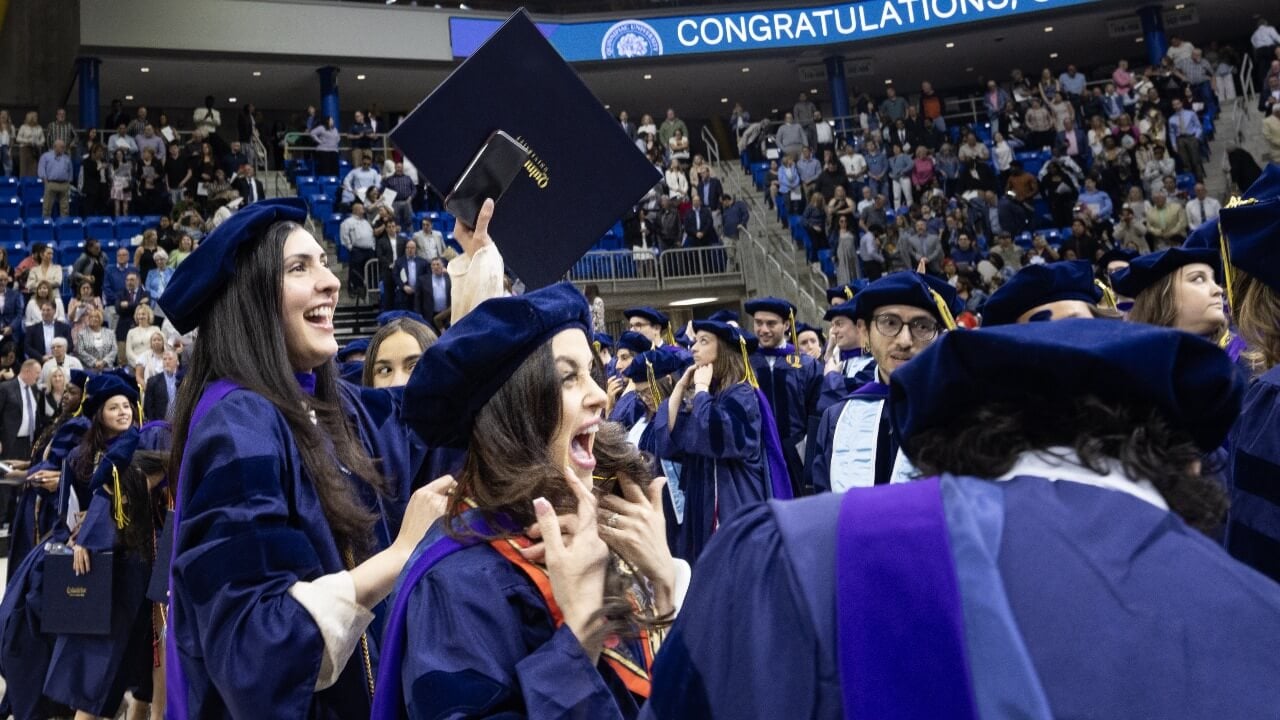
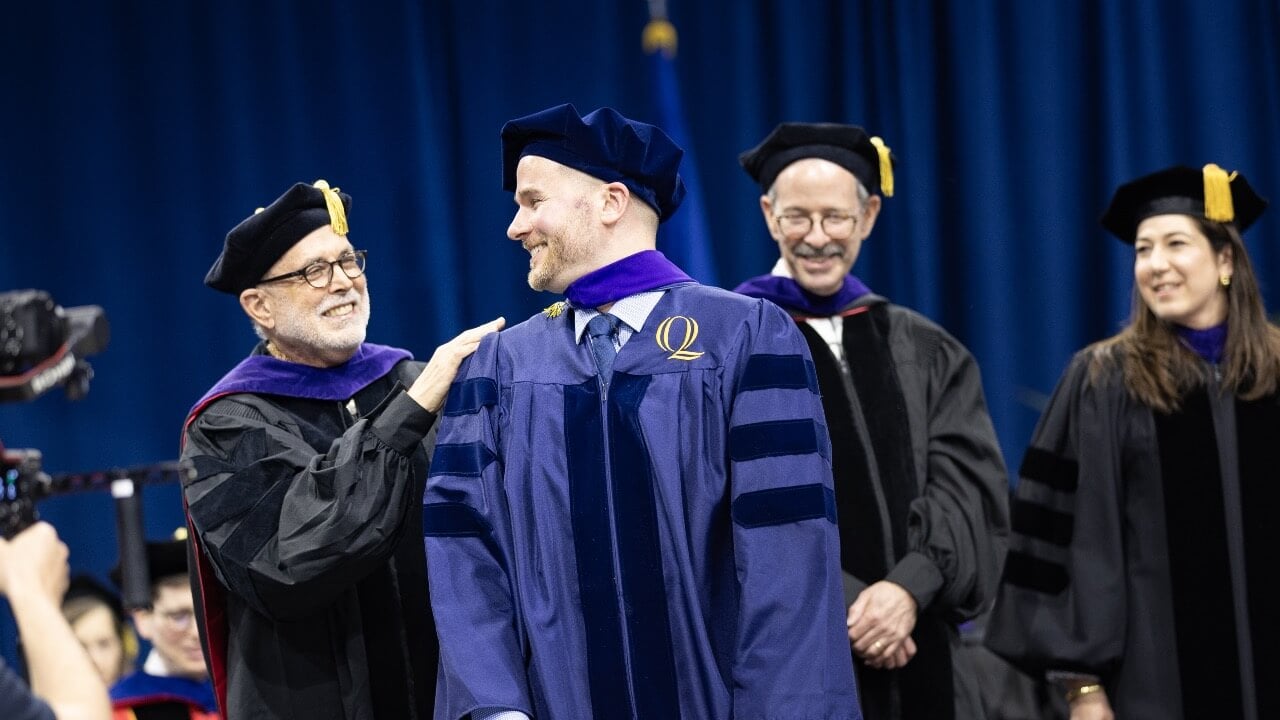



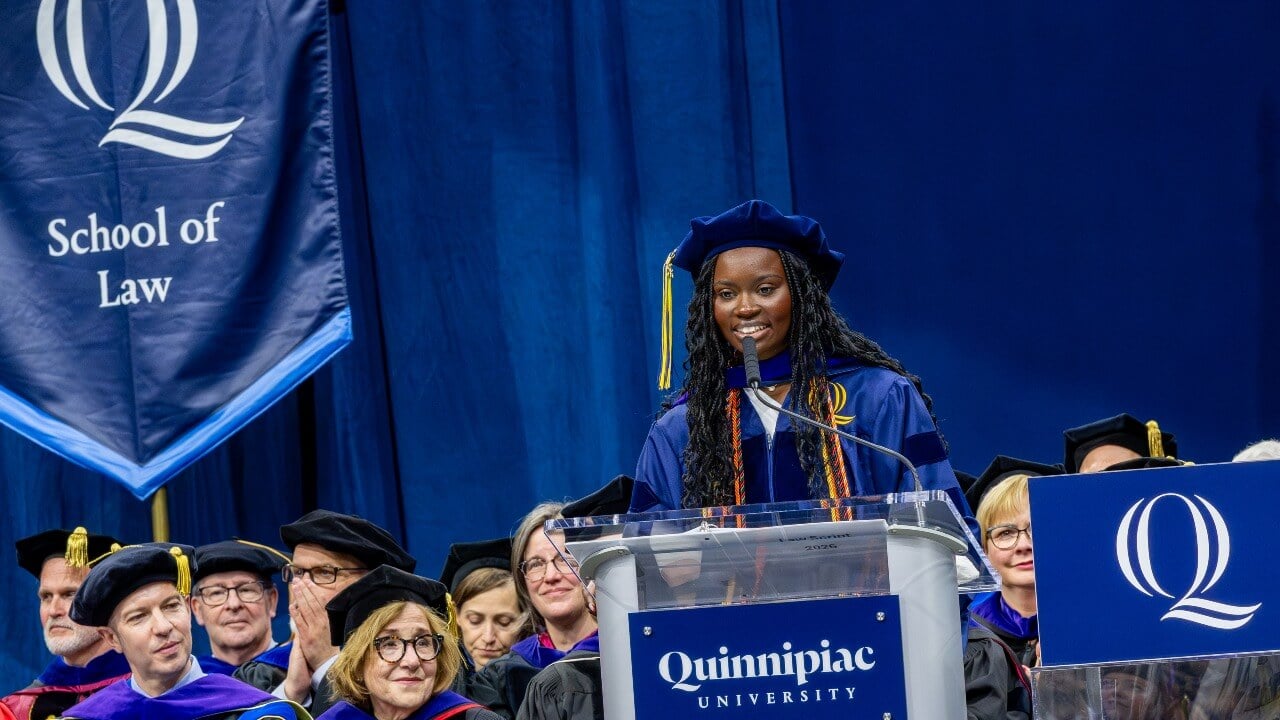
Shianne Taylor, JD ‘26, provided remarks on behalf of the graduating class from the School of Law.
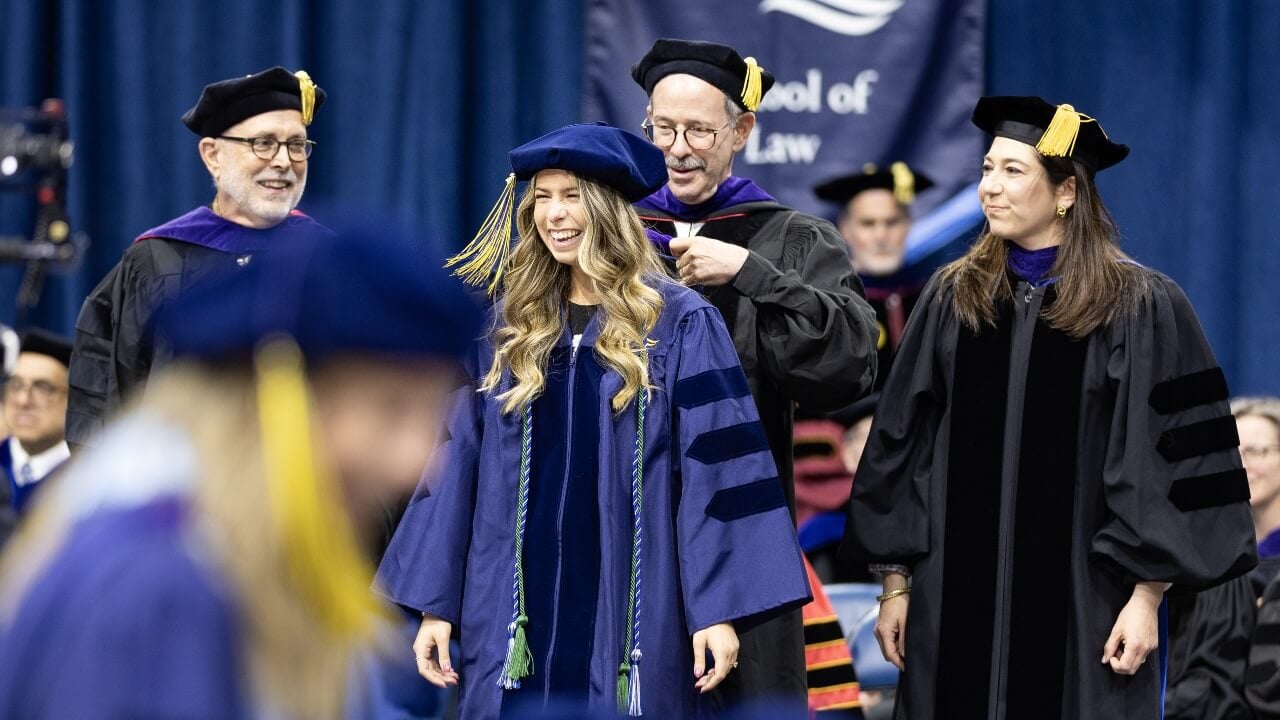


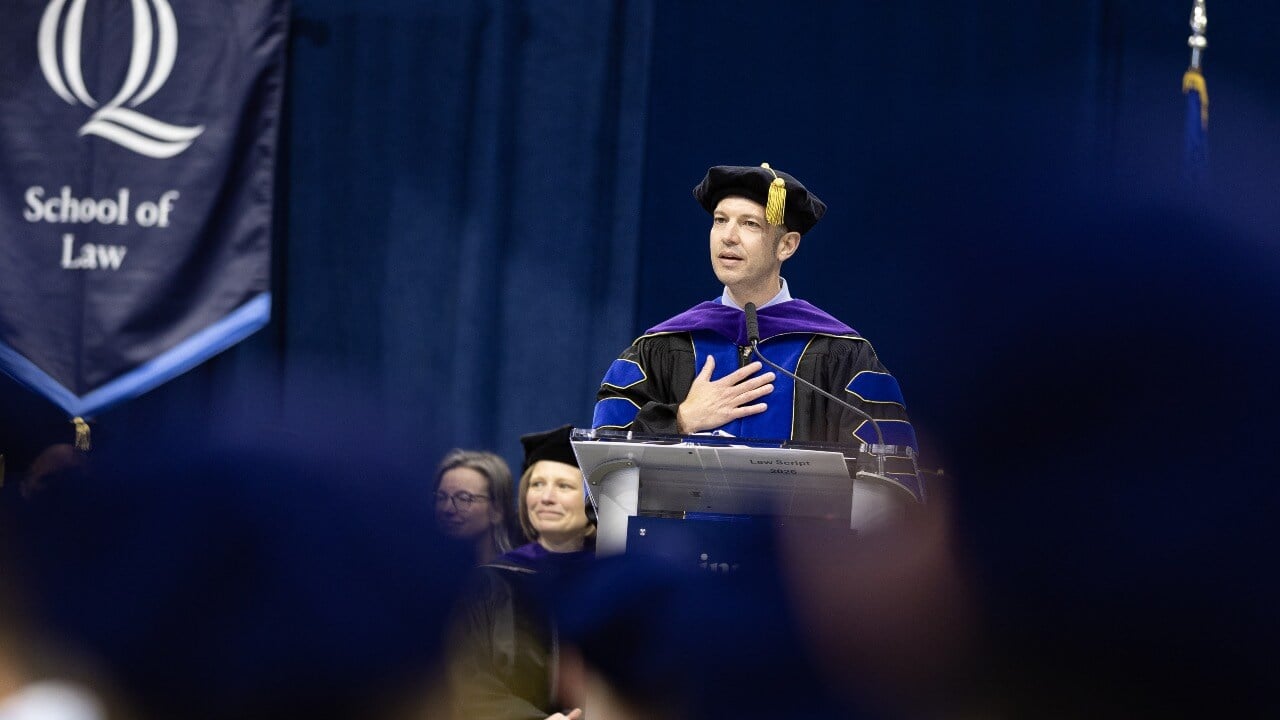
Brian Gallini, dean of the School of Law, addressed the graduates.
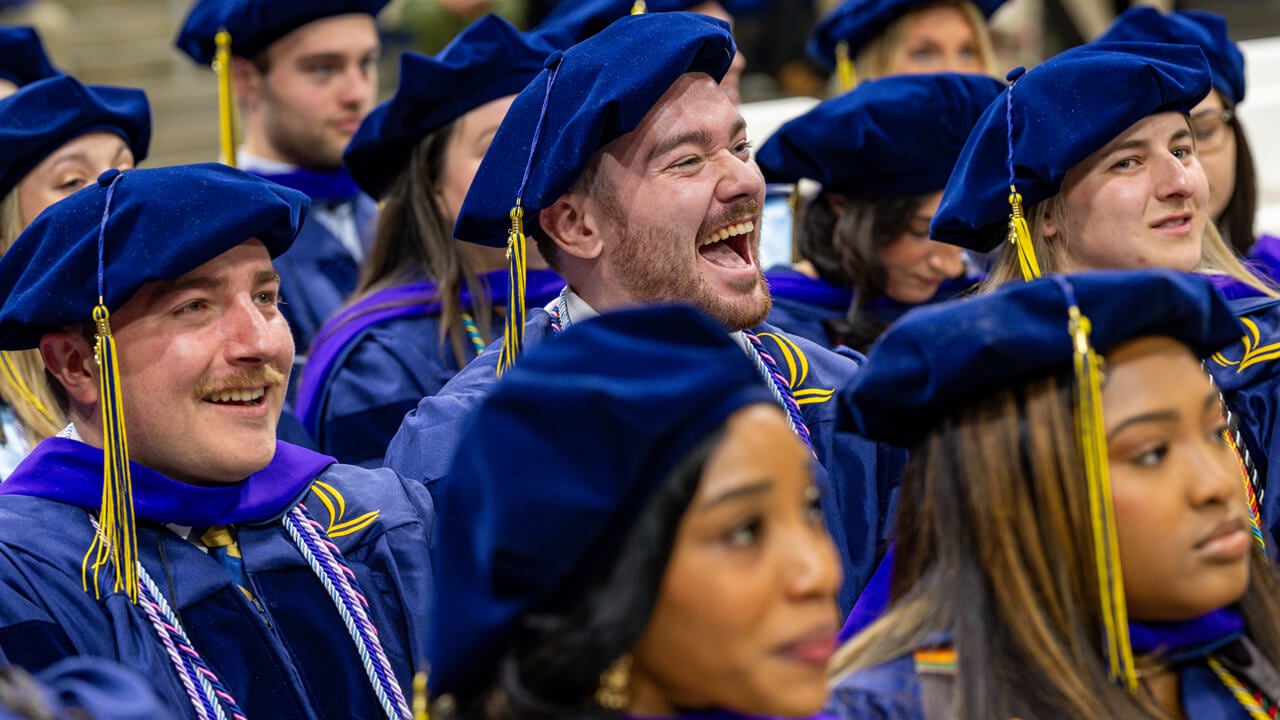
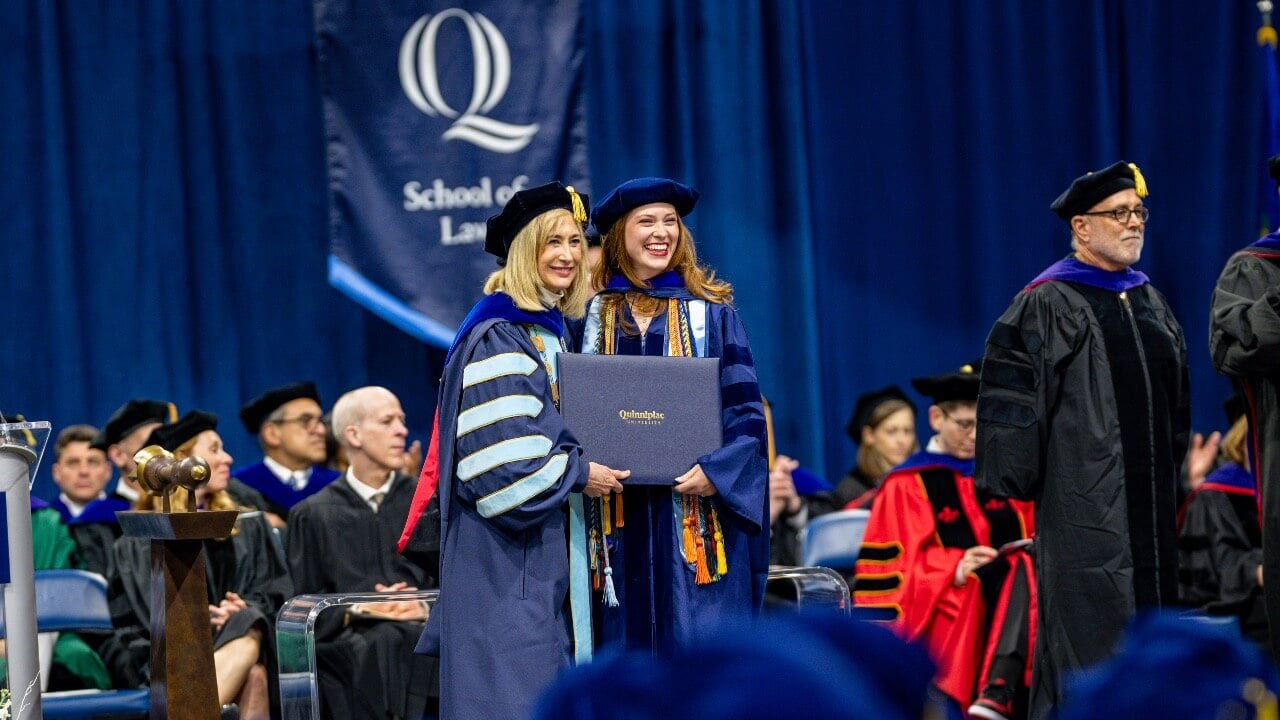
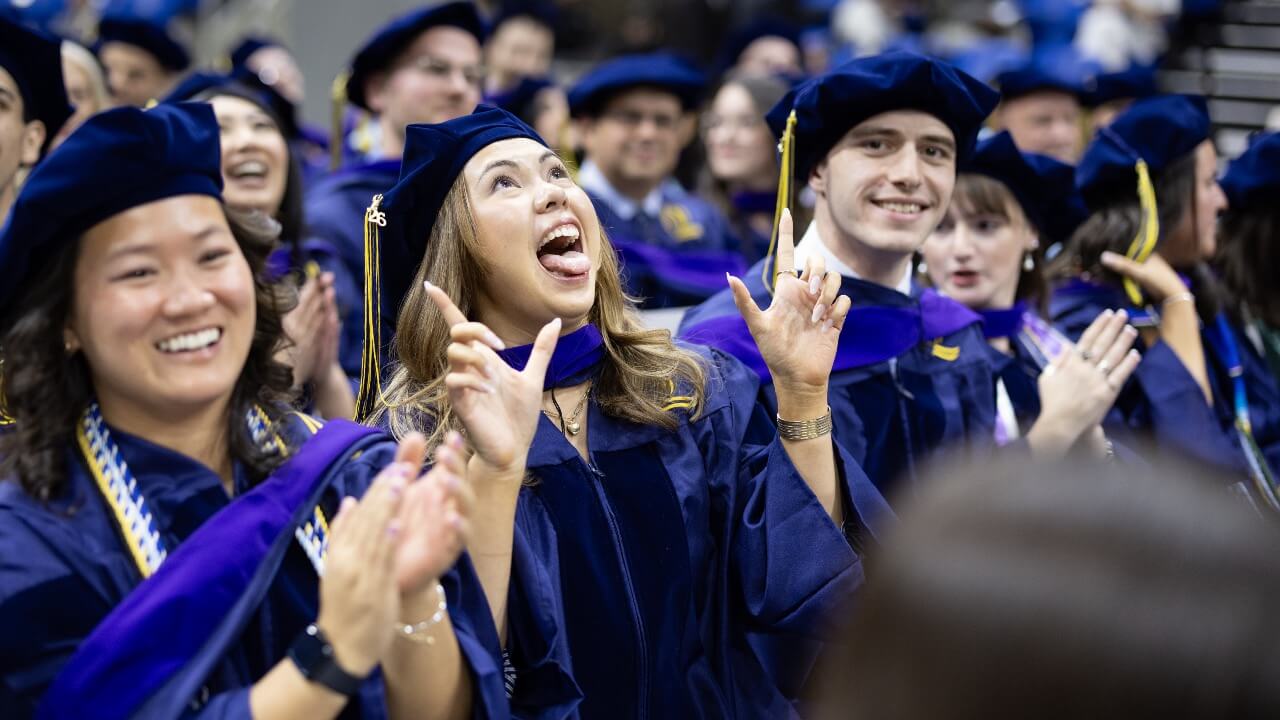
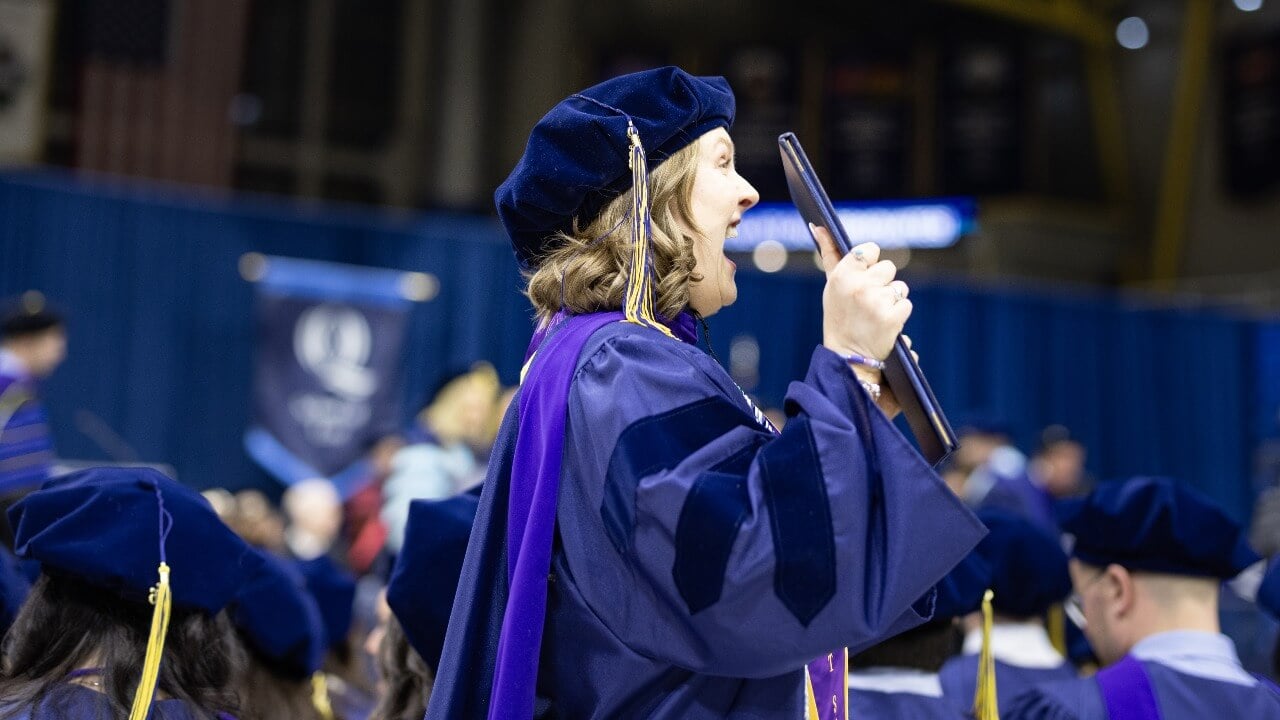
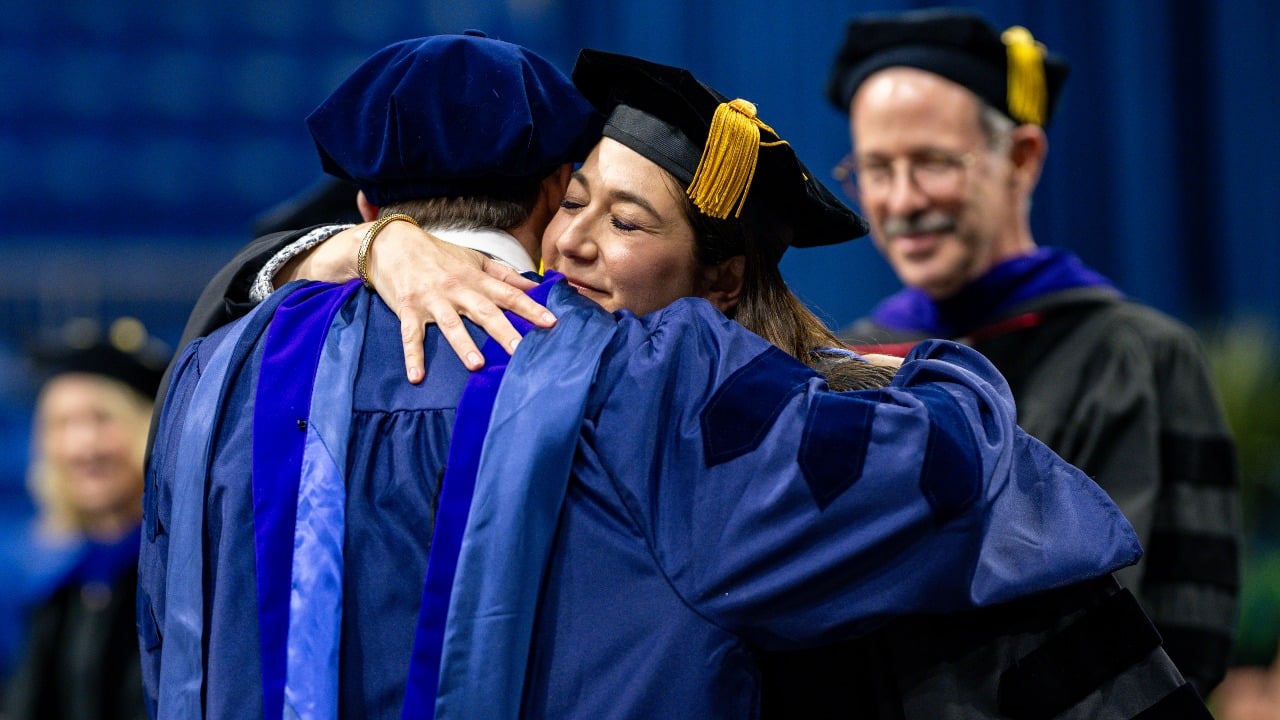

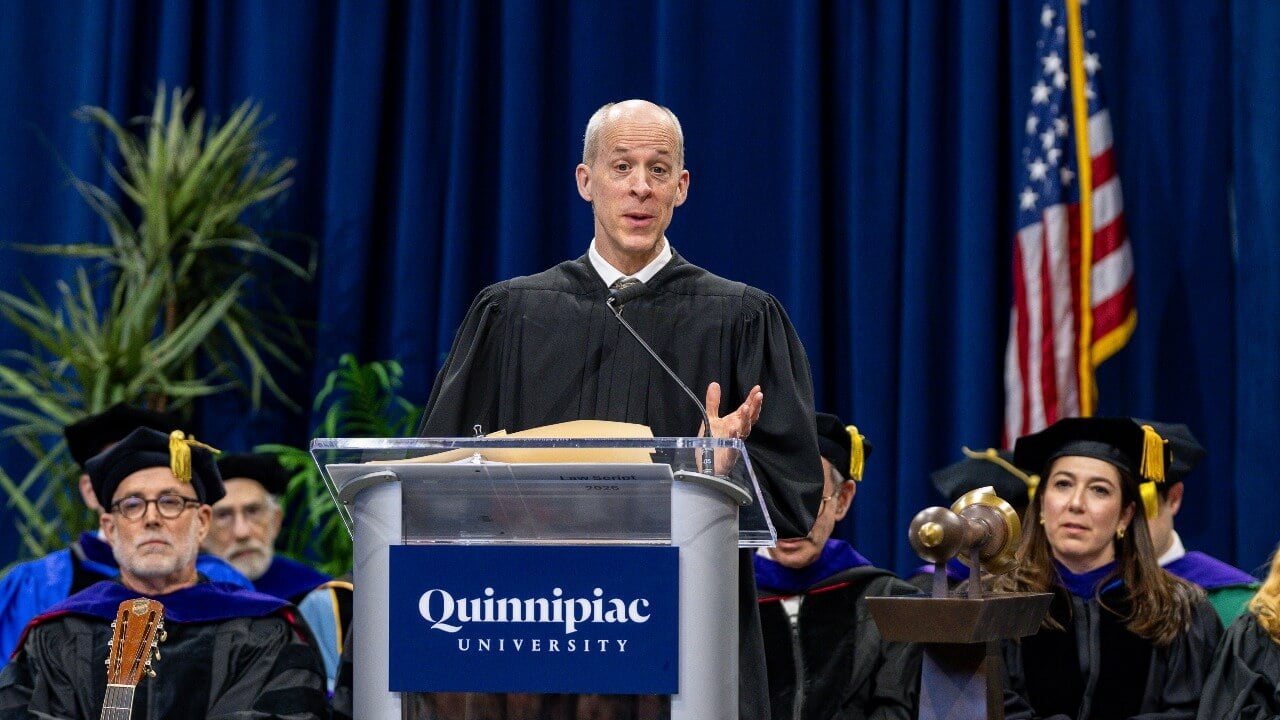
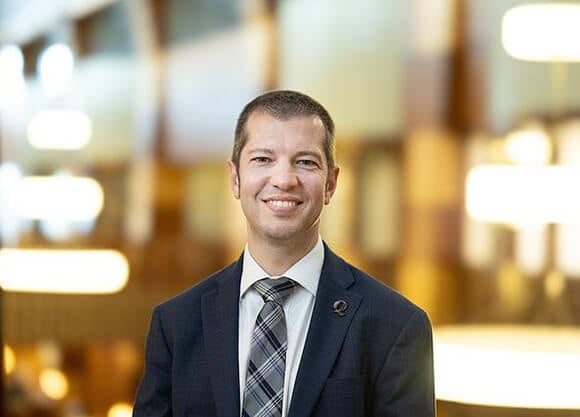
The Honorable Michael P. Shea delivered the keynote address.
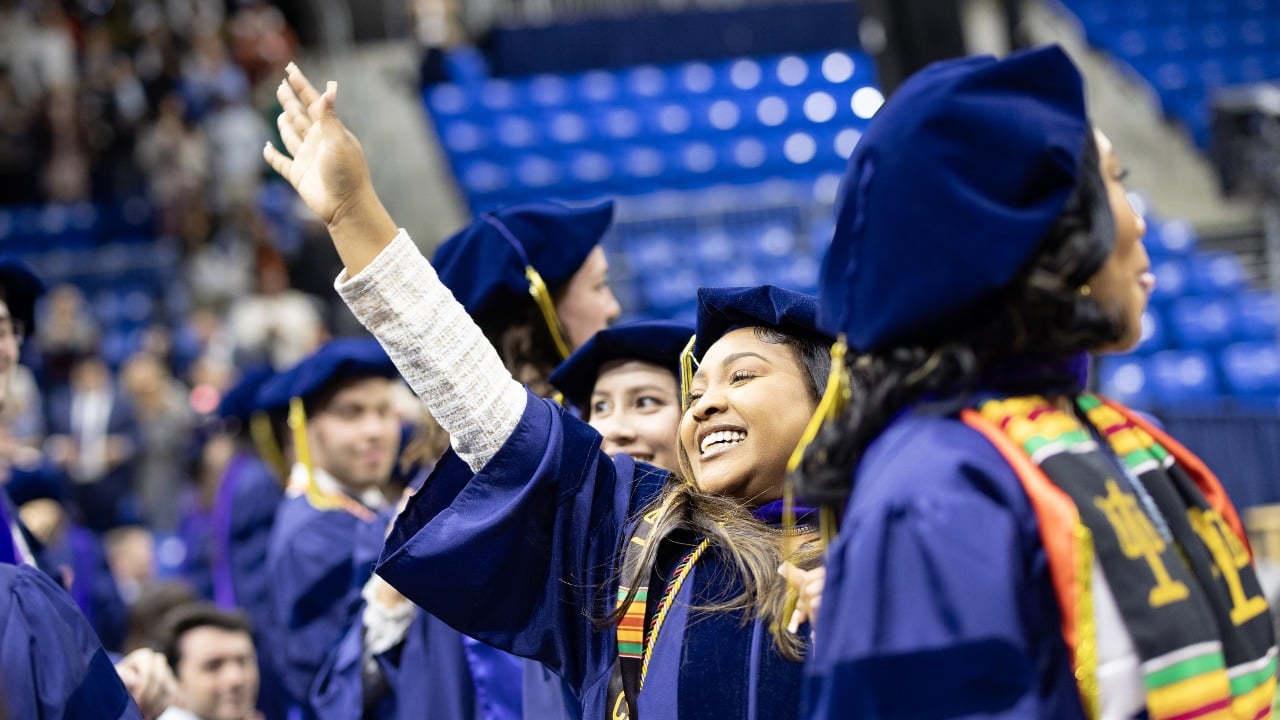
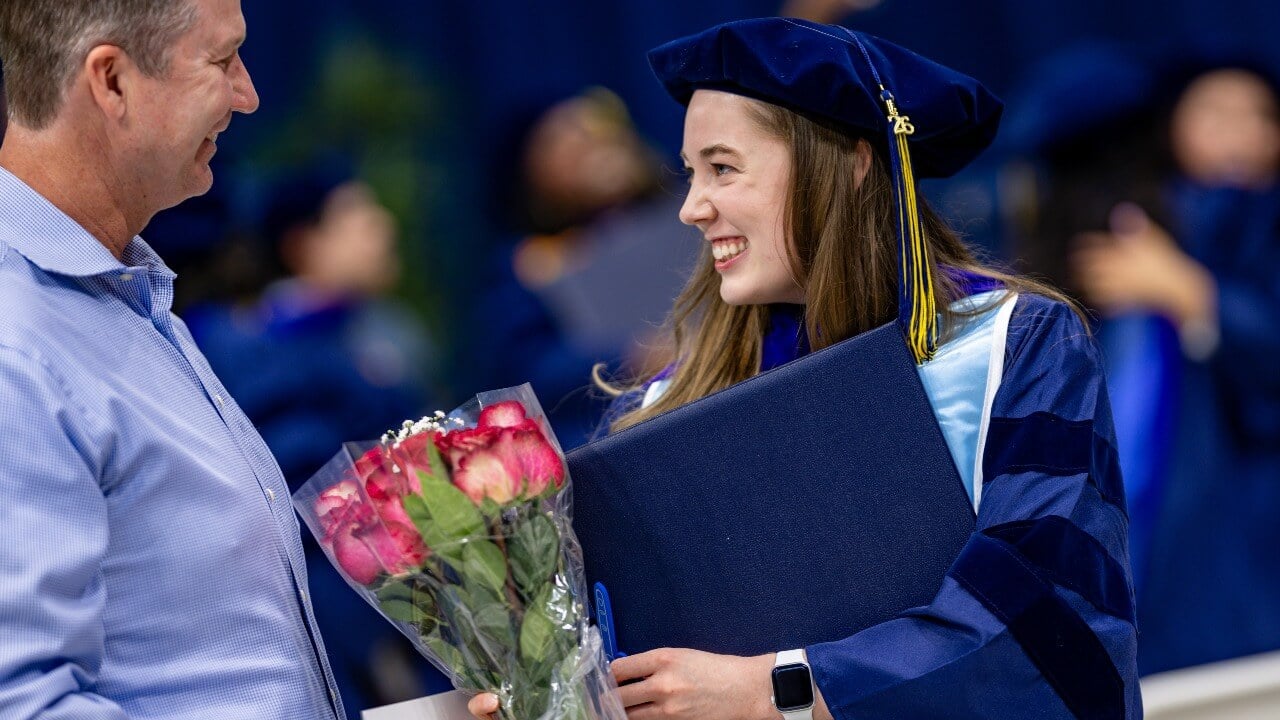
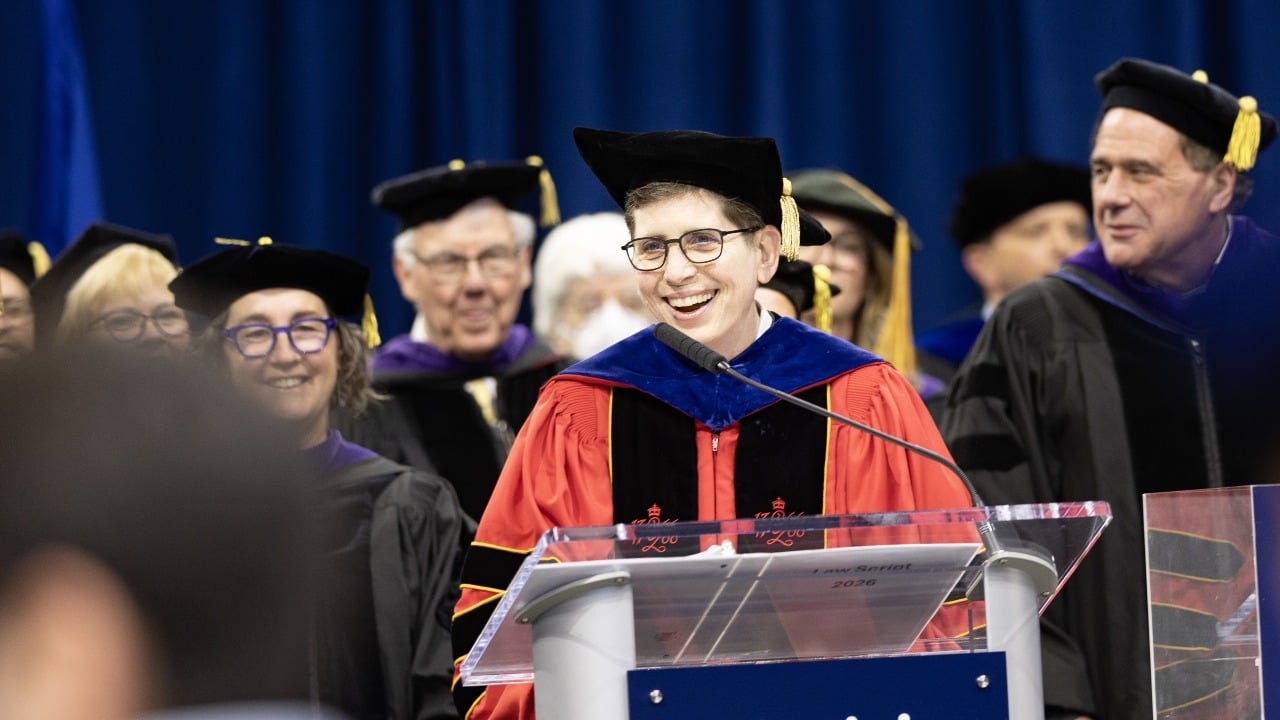
Provost Debra Liebowitz addressed the graduates.
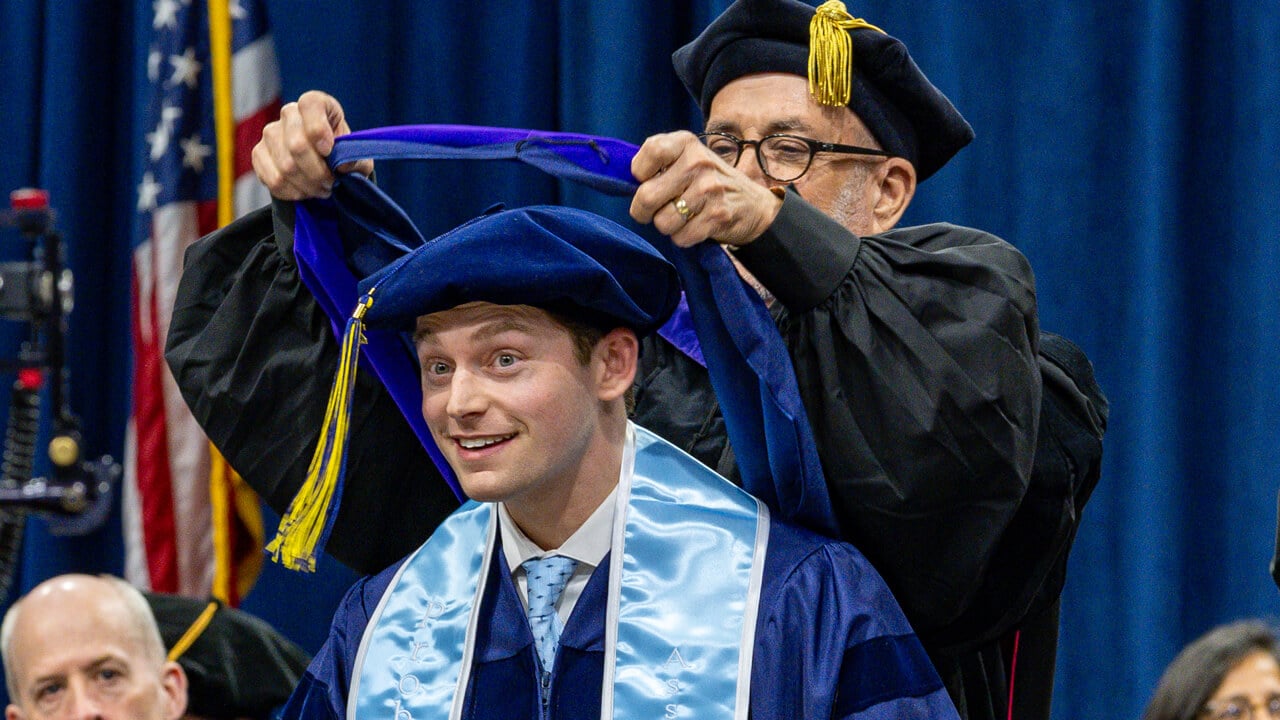
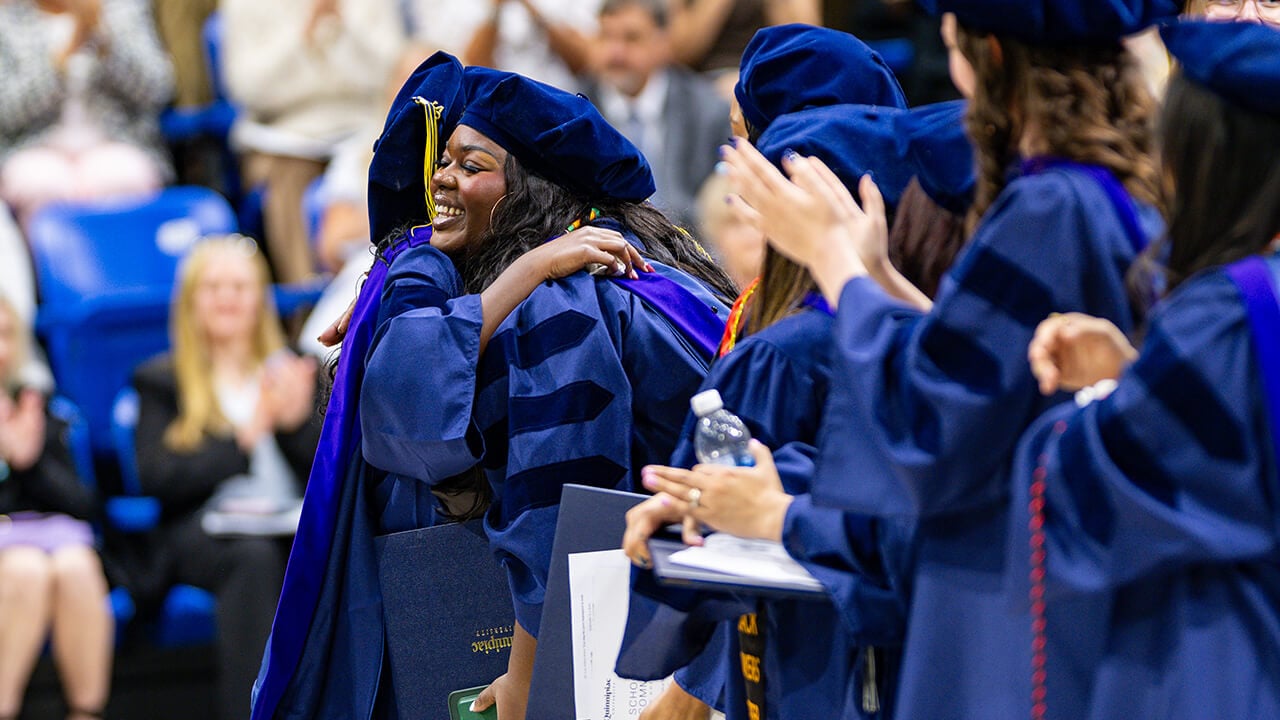
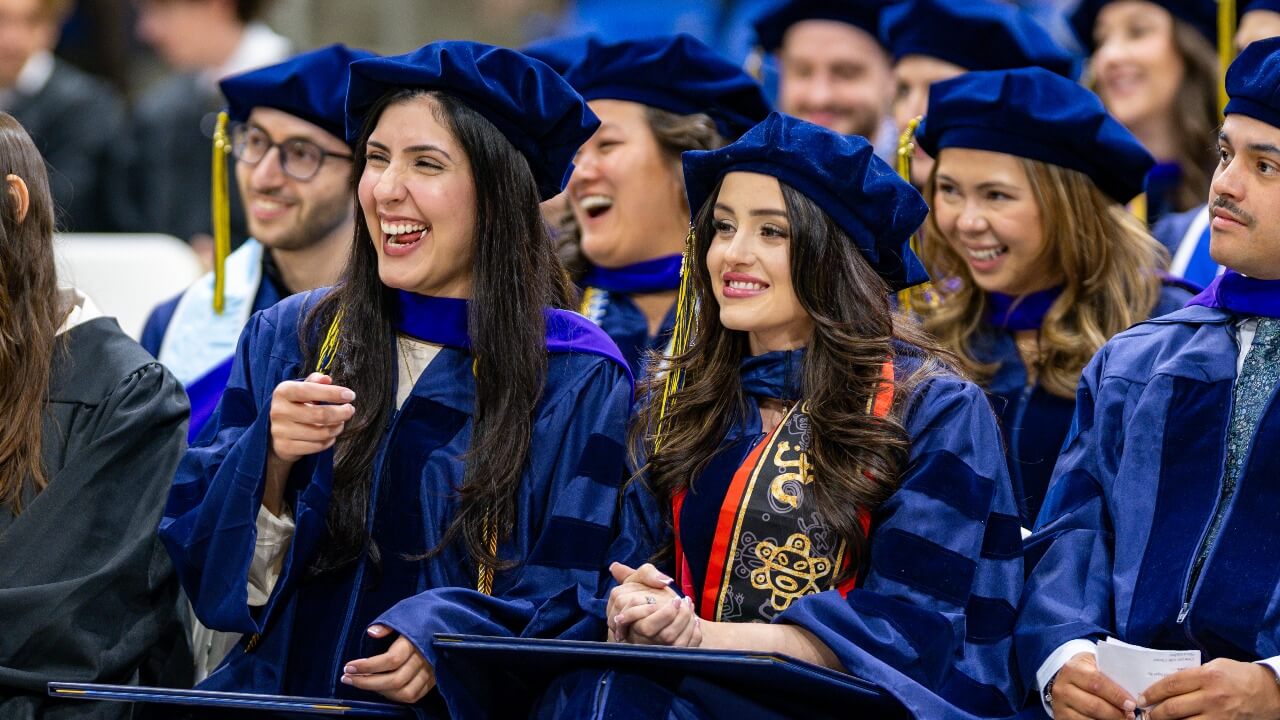
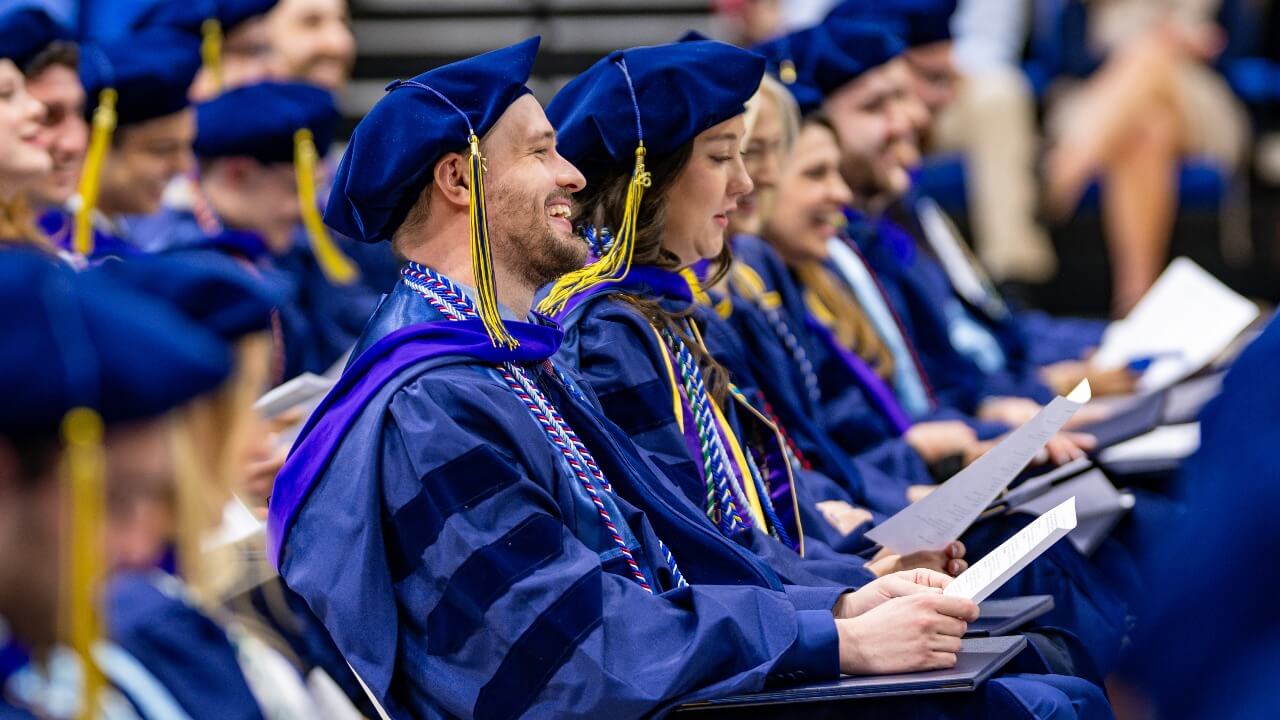
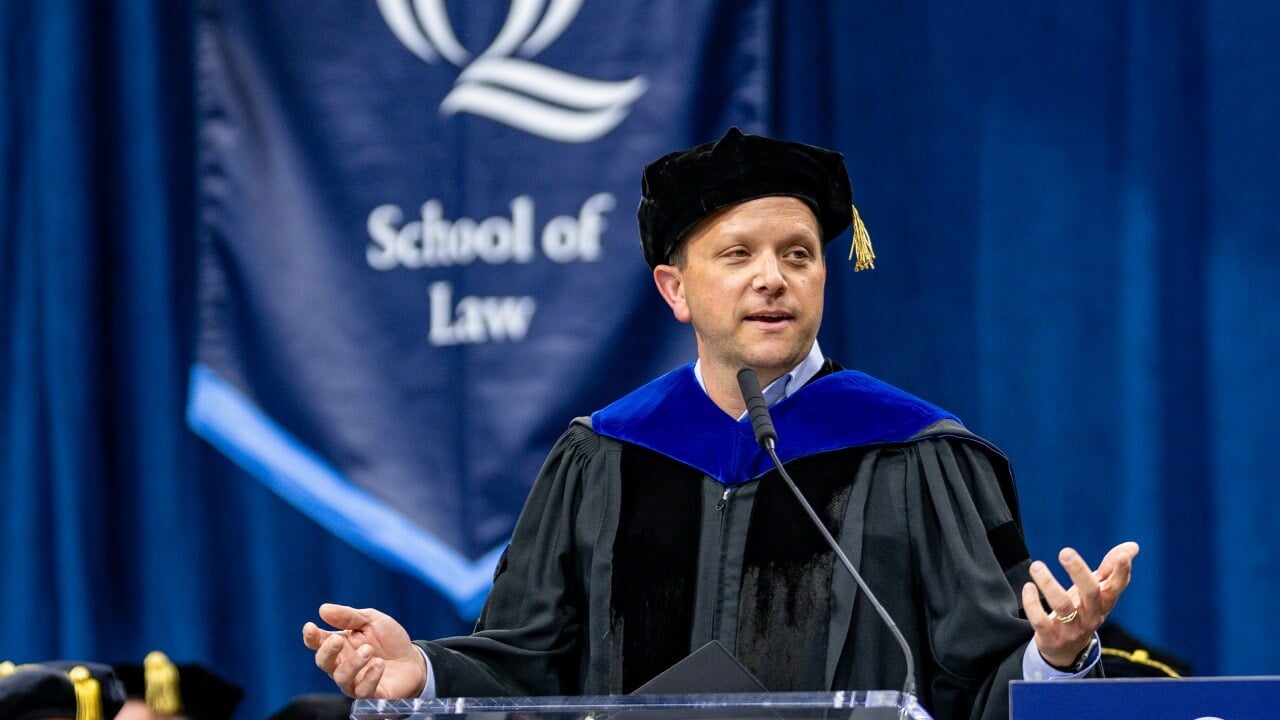
Adam Swanson, JD ‘08, welcomed the new class of graduates on behalf of the alumni community.

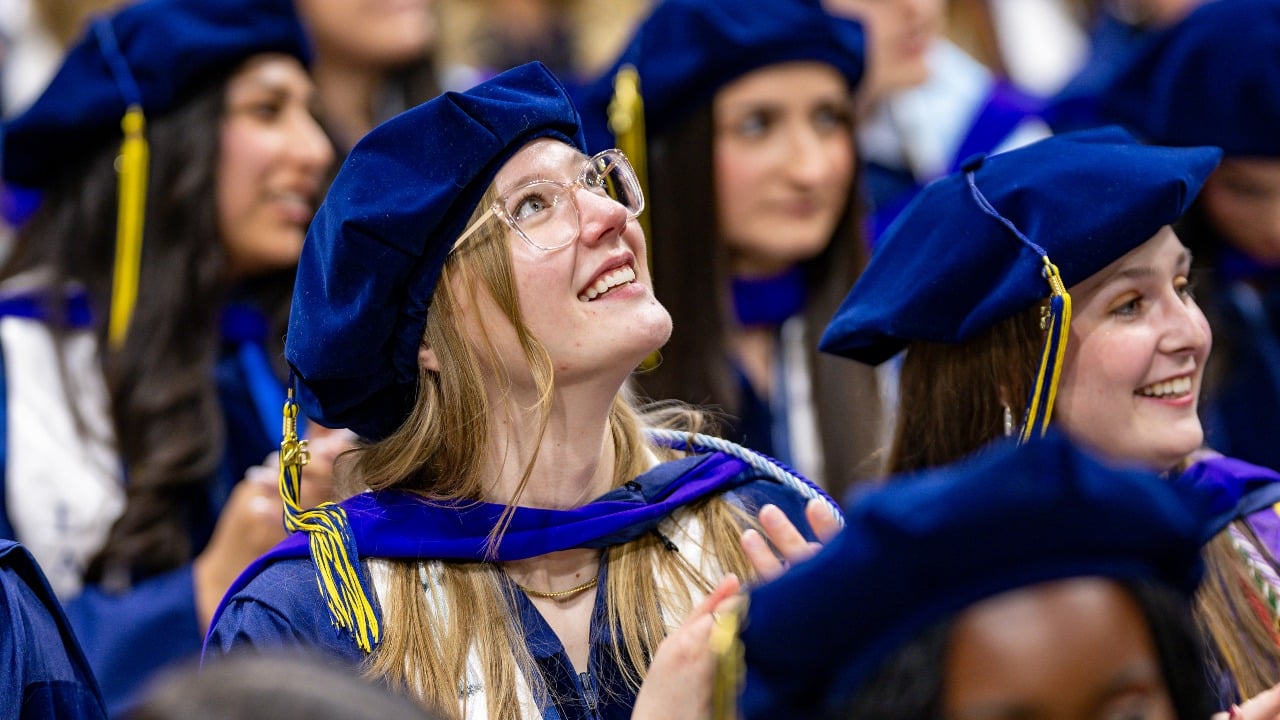

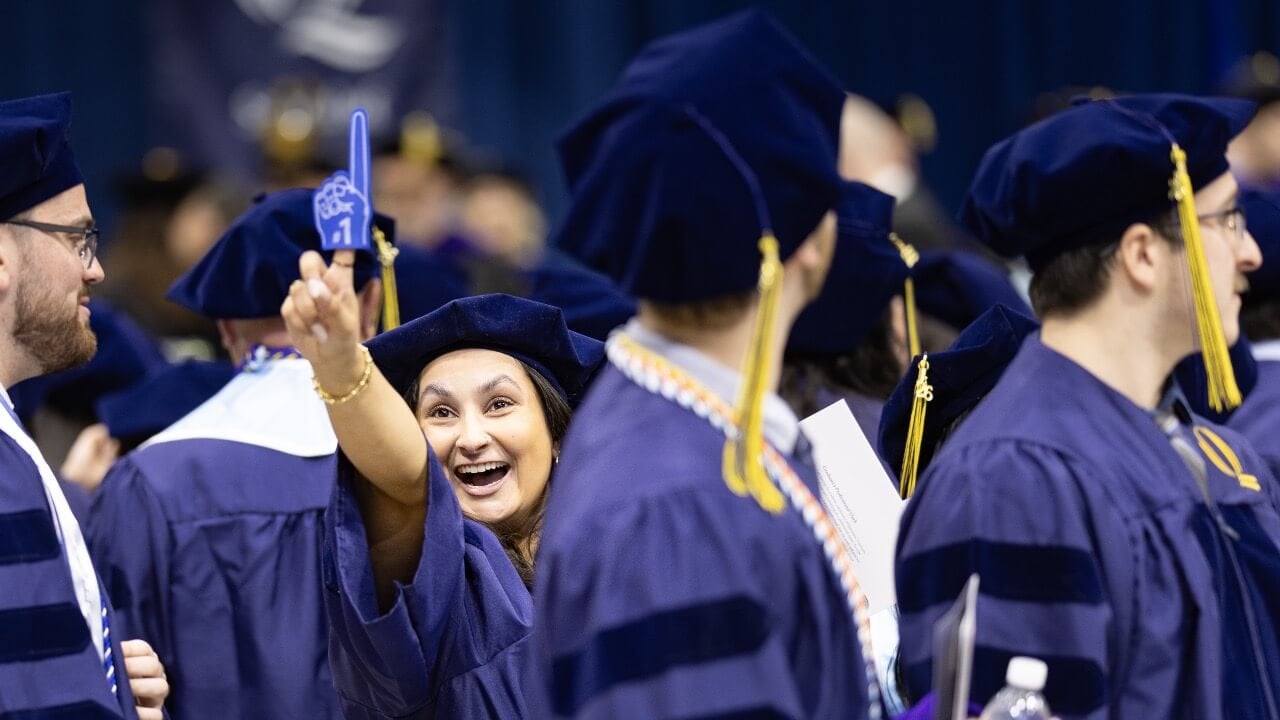
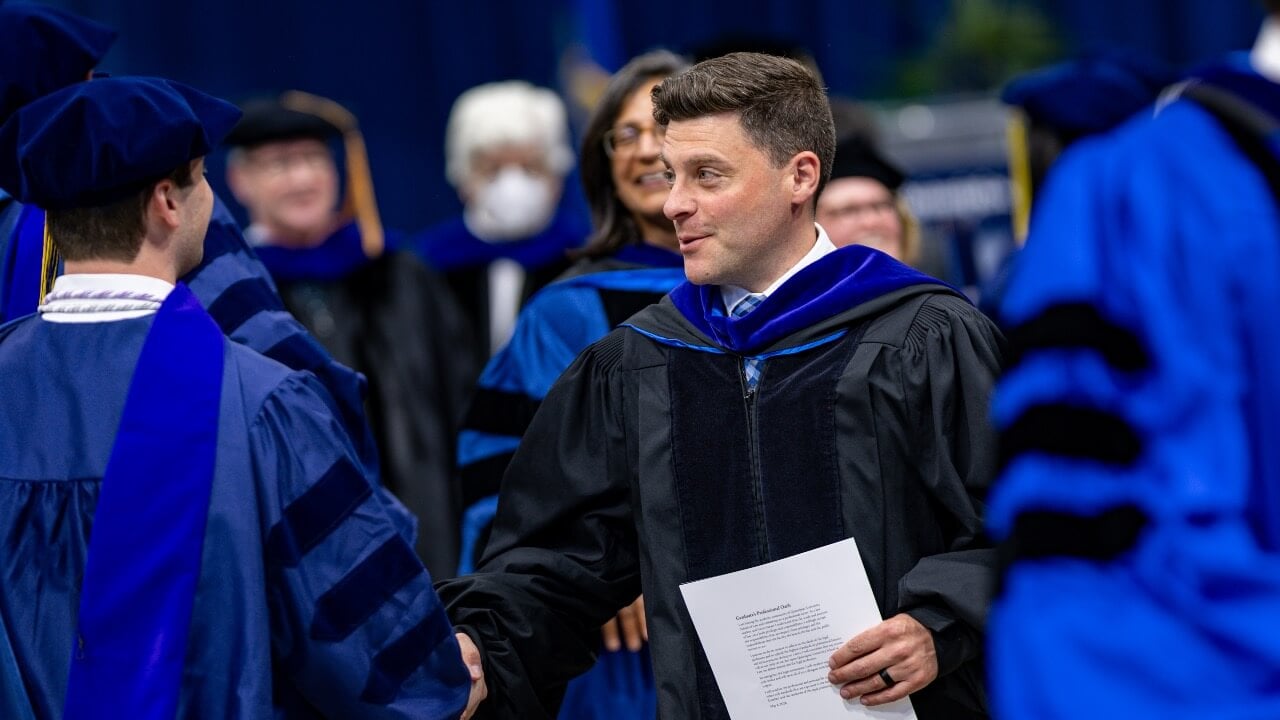
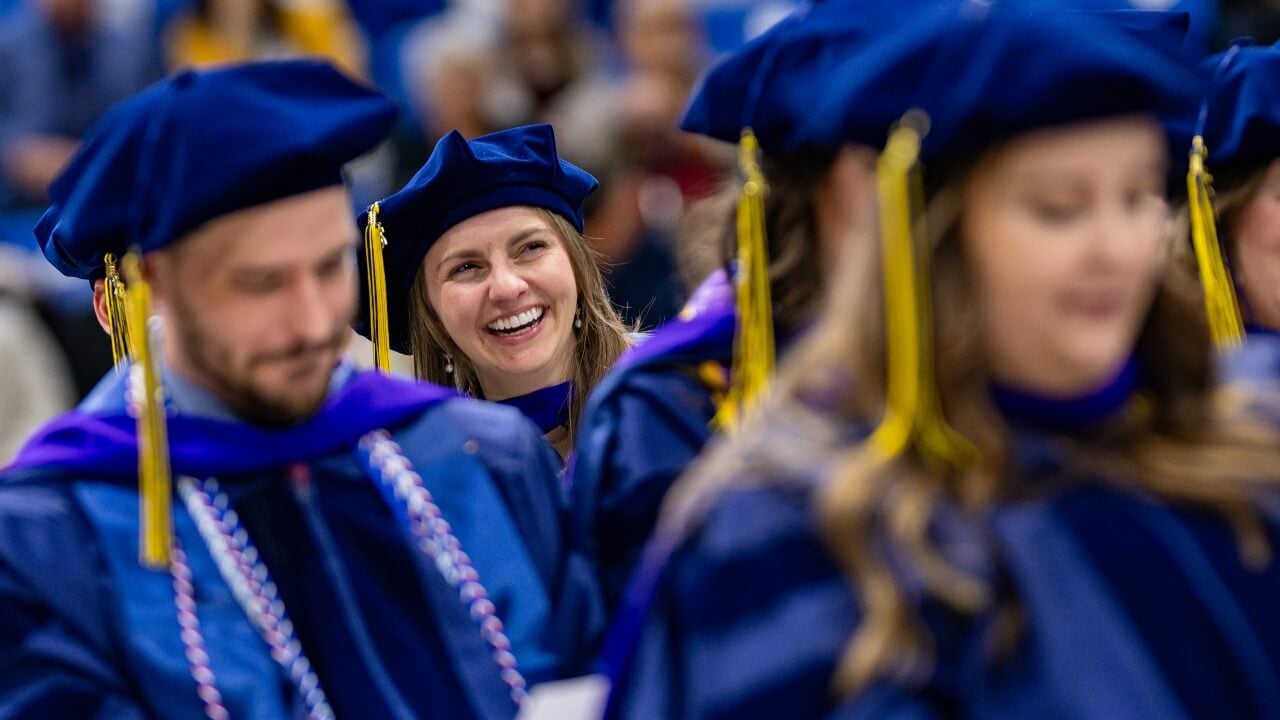
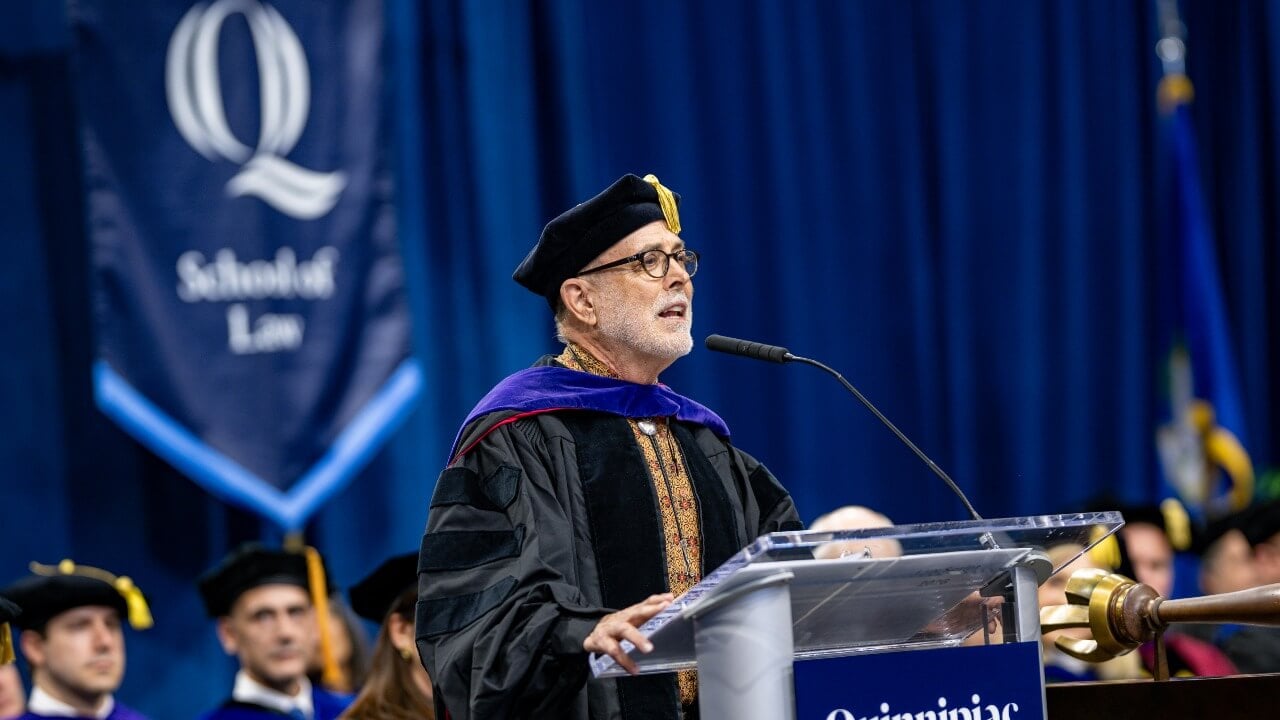
W. John Thomas, professor of the year, delivered remarks to the graduating class.
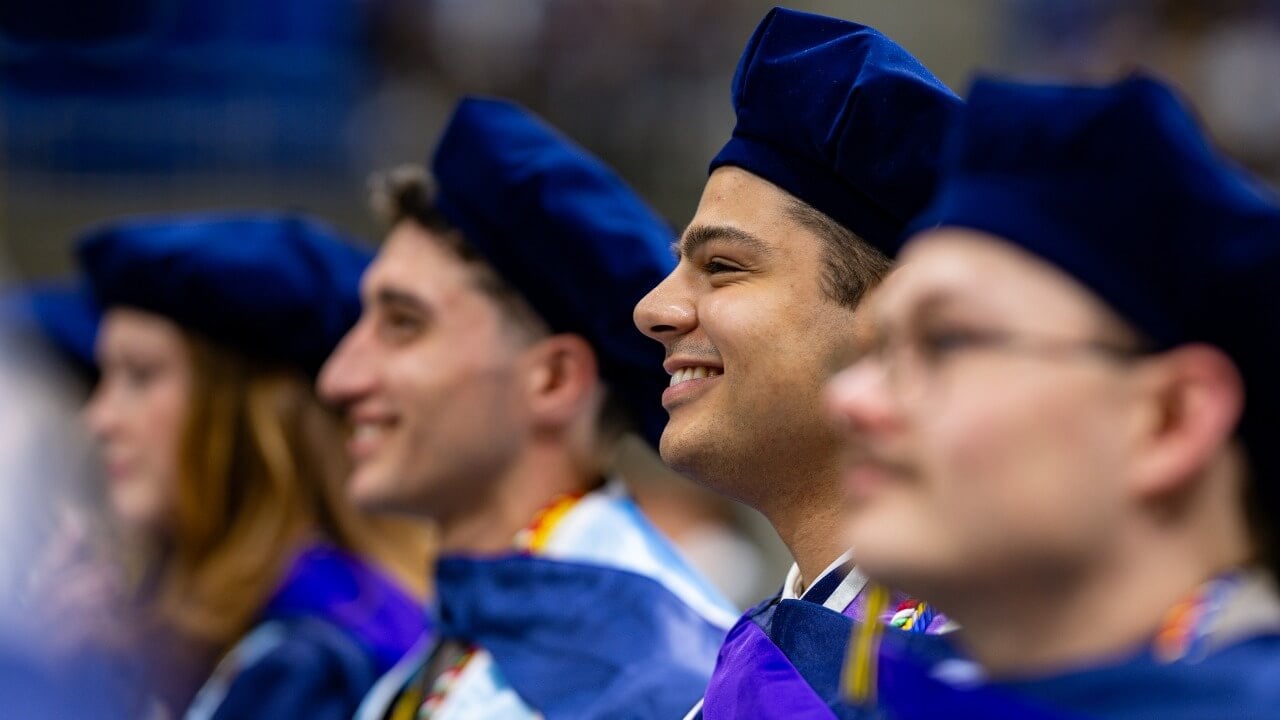
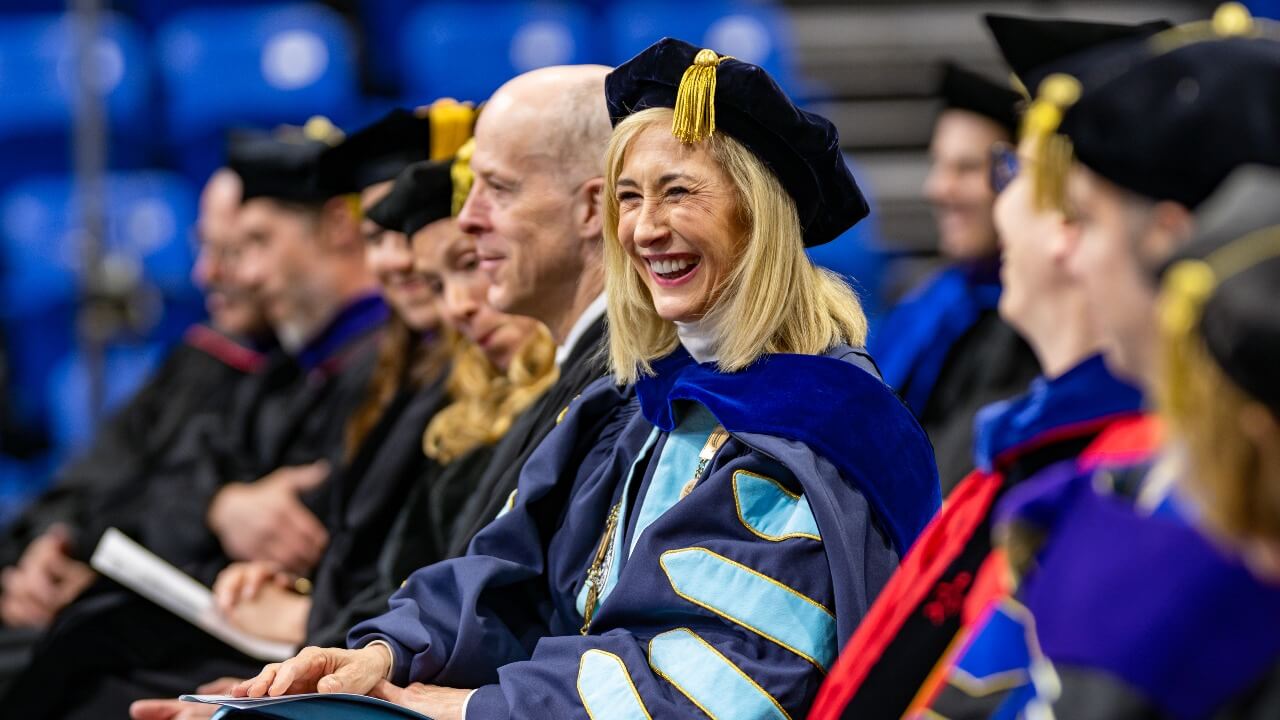
President Marie Hardin delivered remarks during the Commencement ceremony.
Watch the livestream of the School of Law Commencement.
Pomp and Circumstance, Sir Edward Elgar
Debra J. Liebowitz, PhD
Provost
Olivia Ventura, JD ‘26
Marie C. Hardin, PhD
President
Brian Gallini, JD, LLM
Dean of the School of Law
Sara Cates, JD
Associate Professor of Legal Skills
The Honorable Michael P. Shea
Chief United States District Judge for the District of Connecticut
Brian Gallini
Mark Schroeder, JD
Associate Dean for Academic Affairs and Associate Professor of Legal Skills
Hooders:
W. John Thomas, JD, Professor of Law, Professor of the Year
Neal Feigenson, JD, Lynne L. Pantalena Professor of Law
Jennifer Levine, JD, Professor of Practice in Tax Law
Marie C. Hardin
Shianne Marie Taylor, JD ‘26
President, Student Bar Association
W. John Thomas
Professor of the Year
Adam Swanson, JD ’08
Partner, McCarter & English LLP, Alumni Association Board Member
Chief Judge, U.S. District Court, District of Connecticut
School of Law Commencement | Friday, May 8, 2 p.m.
Michael P. Shea serves as Chief Judge of the U.S. District Court for the District of Connecticut. He’s chaired or served as a member of numerous District Court and Second Circuit committees, and he currently serves as a member of the Judicial Council of the U.S. Court of Appeals for the Second Circuit.
Born in Hartford, Connecticut, Shea was sworn in as a United States District Judge on Dec. 31, 2012. Before joining the bench, he was a partner at Day Pitney (and previously Day, Berry & Howard), where he focused on commercial litigation, mass torts, First Amendment matters and white-collar criminal defense.
Throughout his career in private practice, Shea maintained an active pro bono practice, receiving awards from both the Hartford County and Connecticut Bar Associations for his work on behalf of indigent persons in civil and criminal cases.
Shea began his legal career as law clerk to the late Judge James L. Buckley of the U.S. Court of Appeals for the District of Columbia Circuit. Shea graduated from Yale Law School, where he served as a senior editor of the Yale Law Journal, in 1993. He graduated from Amherst College in Amherst, Massachusetts, summa cum laude, in 1989.
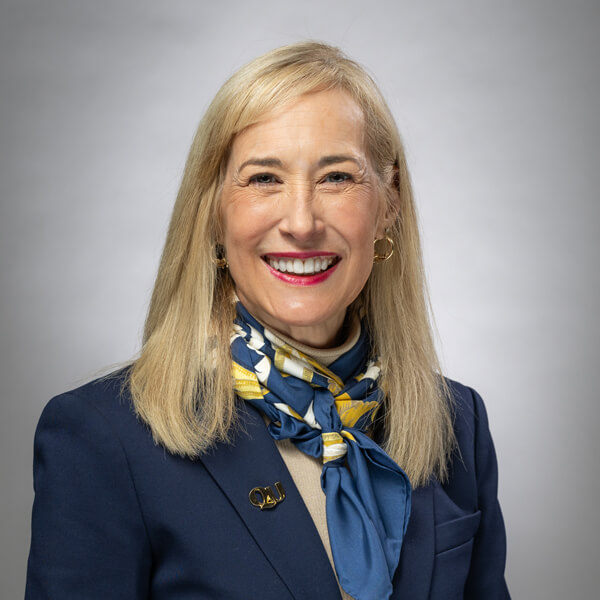
Congratulations to the Class of 2026. We’re delighted to welcome your families and friends to Quinnipiac today. They have been key partners in your journey to this milestone moment, and we celebrate them, too.
Your education in the School of Law has prepared you well to serve your clients and your communities. The tenets of justice, fairness and integrity have helped you become whole lawyers, skilled legal practitioners who retain their personal values and authentic sense of self while thinking holistically about those they represent.
As you prepare to embark upon your law careers, remember that you have learned from a distinguished faculty and a dedicated staff. They have watched you grow and thrive as the lawyers of the future, the ones who advance social justice, impact legislation and fight for those without a voice.
We are proud of you and all that you’ve accomplished. You are ready for the opportunities and the challenges that lie ahead. A bright future filled with purpose and meaning awaits.
Warmly
Marie C. Hardin, PhD
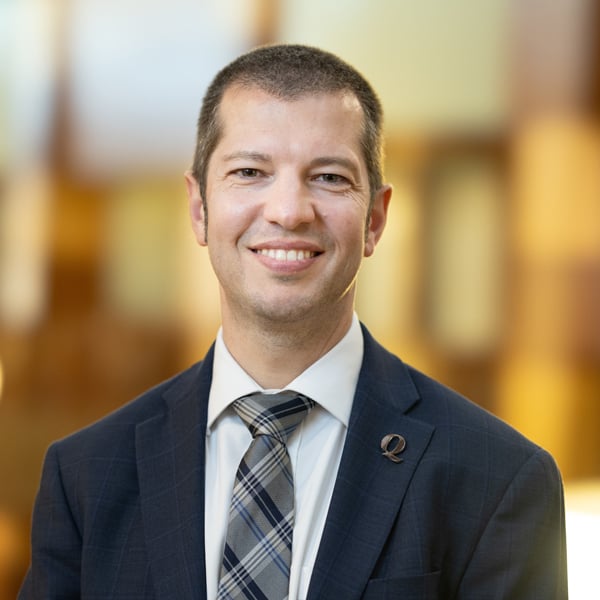
Congratulations to the Class of 2026. Completion matters. Not simply because you have finished law school, but because of the way you finished it—through sustained effort, demanding conversations, and the daily discipline of learning how to think, listen, and decide as lawyers. Those habits will matter far more than any single outcome that follows.
During your time at Quinnipiac Law, you moved beyond answers toward judgment. You learned to navigate ambiguity, to hold competing truths in tension, and to advocate forcefully without losing perspective or humanity. In a profession that increasingly rewards speed and certainty, those skills—and that restraint—are rare and essential.
As you take your next steps, some of you will enter courtrooms, some boardrooms, some communities, and some pathways still taking shape. Wherever you land, remember that the law is ultimately a public trust. How you practice it—and how you treat the people affected by it—will define your success far more than titles or credentials.
Know that you leave here with our confidence and our respect. You will always have a home at Quinnipiac Law, and a faculty and staff who remain invested in your growth, your integrity, and your impact.
With pride and best wishes,
Brian Gallini, JD, LLM
I am leaving the academic community of Quinnipiac University School of Law and embarking on a professional career. As a law student and future lawyer I understand that the study and practice of law carry both privileges and responsibilities. I willingly accept the responsibilities that accompany those privileges and the responsibilities that the faculty, the bench, the bar and the public entrust to me.
I promise to do my utmost to adhere to the ideals of the legal profession and to uphold the highest standards of professional honesty and ethical practice during my career. I will remember that my actions reflect not only on me, but upon Quinnipiac University School of Law, my fellow alumni and the legal profession.
To strengthen the legal community, I will conduct myself with dignity and civility and will treat all of my colleagues with kindness and respect.
I will conduct my professional and personal life so as to uphold the values and standards that are expressed in the Rules of Professional Conduct and the traditions of the legal profession.
The 12th and 13th centuries saw the formation of universities under the jurisdiction of the Church. Most students of the day were clerks in the Holy Order, monks or priests. Cowls or hoods adorned their habits and protected the young scholars from harsh weather and the pervading dampness of the stone buildings in which they studied. Hoods also served to cover tonsured heads before the use of the skullcap.
Today, the cap, gown and hood have taken on a symbolic meaning. Color and shape conform to an academic code signifying a university’s conferral of the degree and the nature of the degree conferred. Gowns for the doctoral degree carry velvet panels and three horizontal velvet bars on the upper arm of the full, round, bell-shaped sleeves.
The mace — a symbol of authority — has antecedents in both Roman and Medieval history. The Roman mace (fasces) was carried by a lictor before the chief magistrate of the city, as well as before the legions. During the Middle Ages, the mace (mateola), a weapon of war, became first a symbol of victory and then a symbol of authority. The mace emblazoned with the Great Seal of England became a symbol of authority in Parliament by the end of the 13th century. It is this form of the mace that was the prototype of those symbols of authority, not only of legislative bodies, but also of cities and universities.
In 1246, following some 20 years of strife, the University of Paris was finally conceded the right to its own common seal. Since then, the use of the seal engraved on the mace has come to symbolize the authority of the academic community. In July 2000, Quinnipiac commissioned the noted sculptor Robert Meyer of Westport, Connecticut, to design and execute a new mace for Quinnipiac University. Cast in bronze, the mace incorporates elements of the university seal.
The medallion (medal of office), like the mace and the seal, is also a symbol of authority. It is possible that its roots may be traced back to the Roman “bulla” (a gold amulet of honor). The obverse of the medallion shows the seal of the office the wearer holds — in our case, the seal of the university. Not infrequently, the reverse would show the personal seal or coat of arms of the bearer. Since the High Middle Ages, the medallion has been worn by such officials as the chancellors of England, mayors of cities, and rectors of universities, and came to signify the high personal position such figures occupied in their respective governments. During the Renaissance, medallion design reached unique artistic heights, and in certain portraits the medallion was given particular prominence. The medallion is worn by the university’s president. The Quinnipiac medal showcases the university seal, sculpted in relief and cast in bronze.







Quinnipiac Today is your source for what's happening throughout #BobcatNation. Sign up for our weekly email newsletter to be among the first to know about news, events and members of our Bobcat family who are making a positive difference in our world.
Sign Up Now