



Medical students’ regional cardiology interest group conference benefits broader peer community
February 03, 2026
February 03, 2026
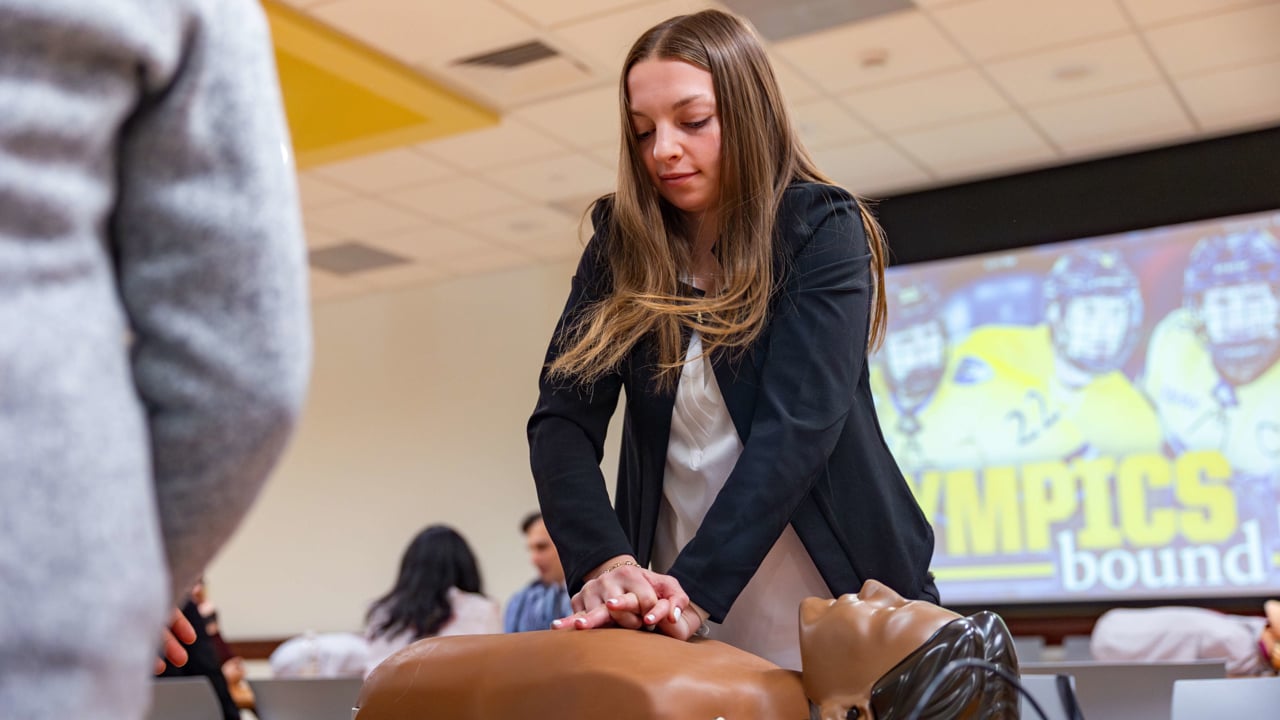
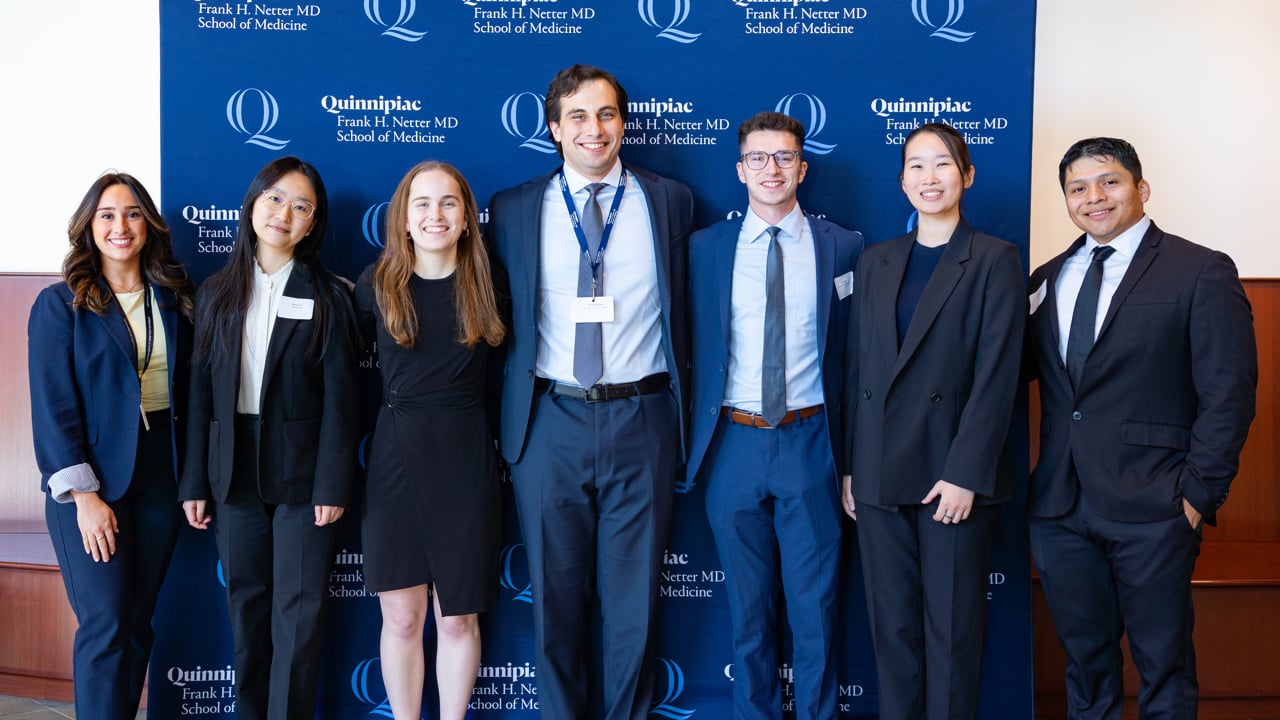
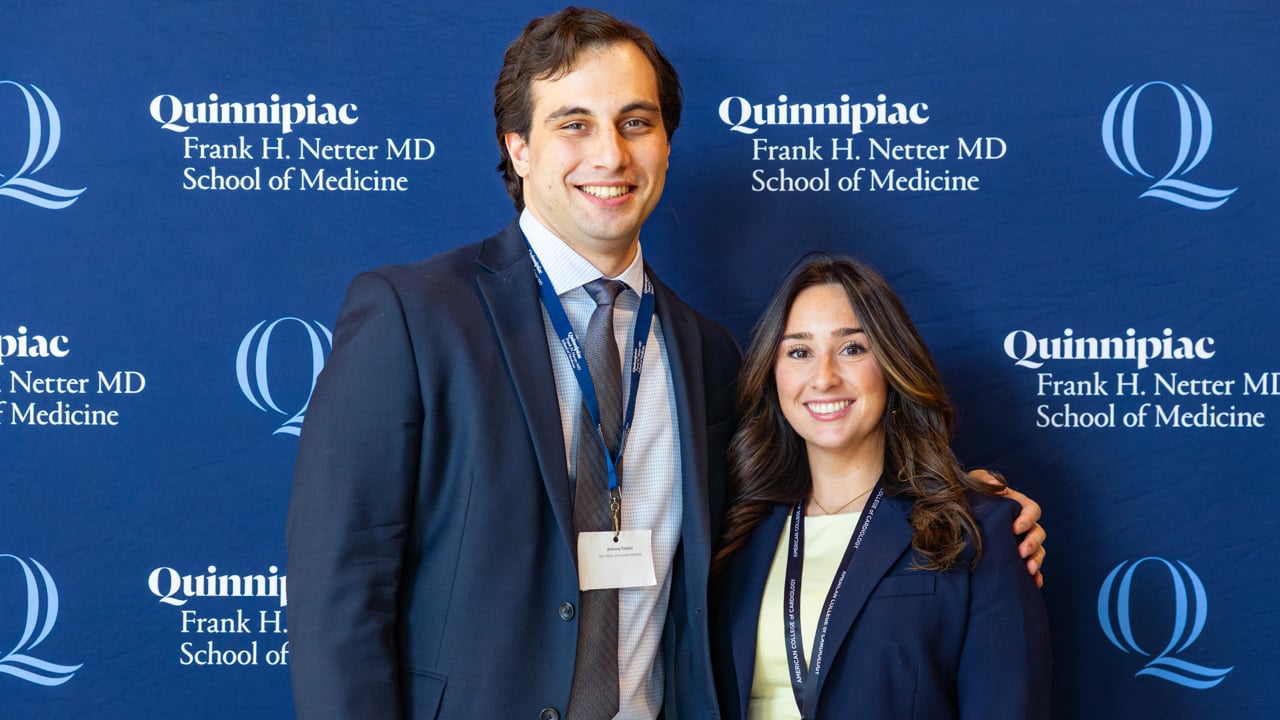
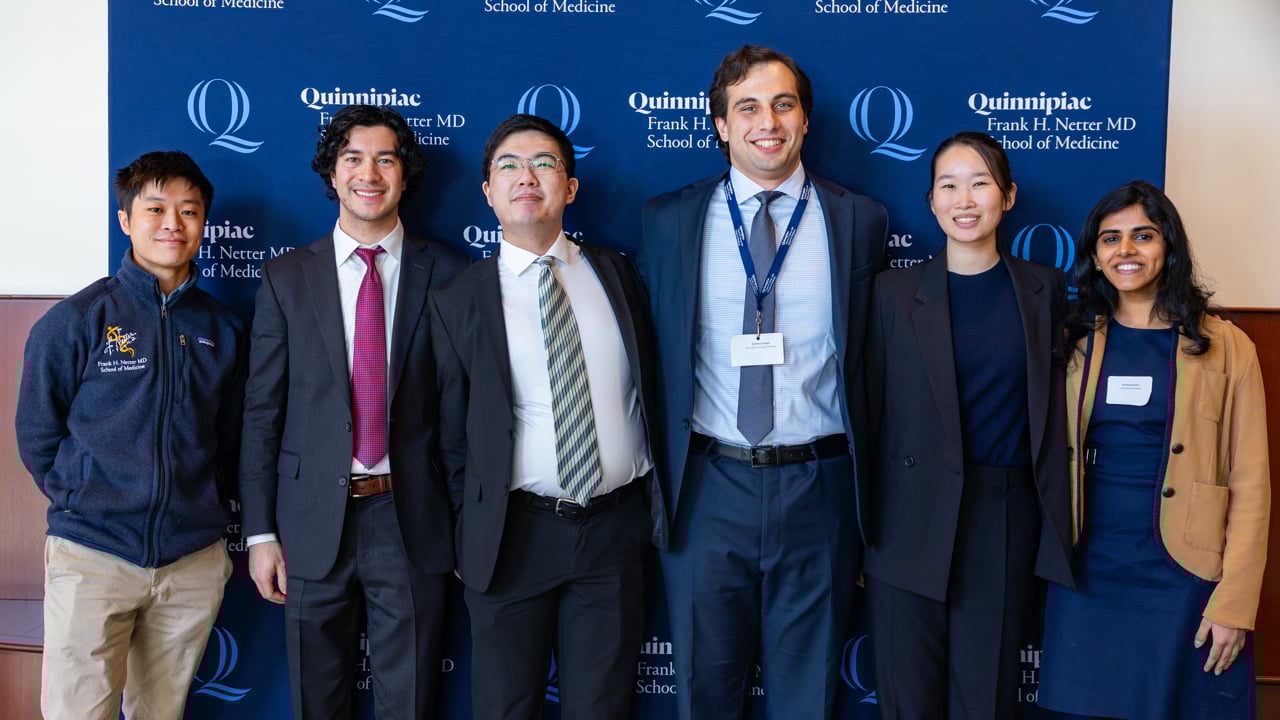
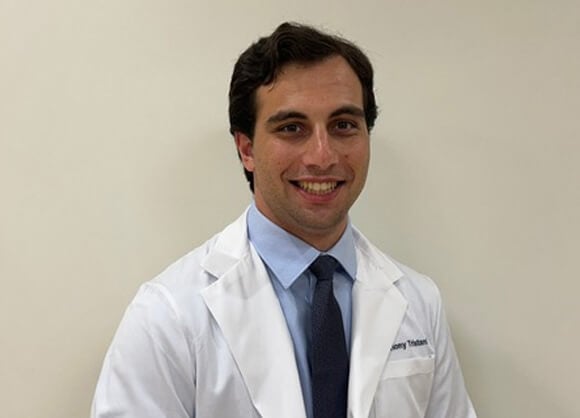
Quinnipiac third year medical student Anthony Tristani, one of only 15 students worldwide to join the prestigious American College of Cardiology Medical Student Leadership Group (MSLG) this year, developed and directed the conference with assistance from members of Quinnipiac CIG. Tristani is also the student founding member and immediate past president of CIG at Quinnipiac, launched in 2024-2025.
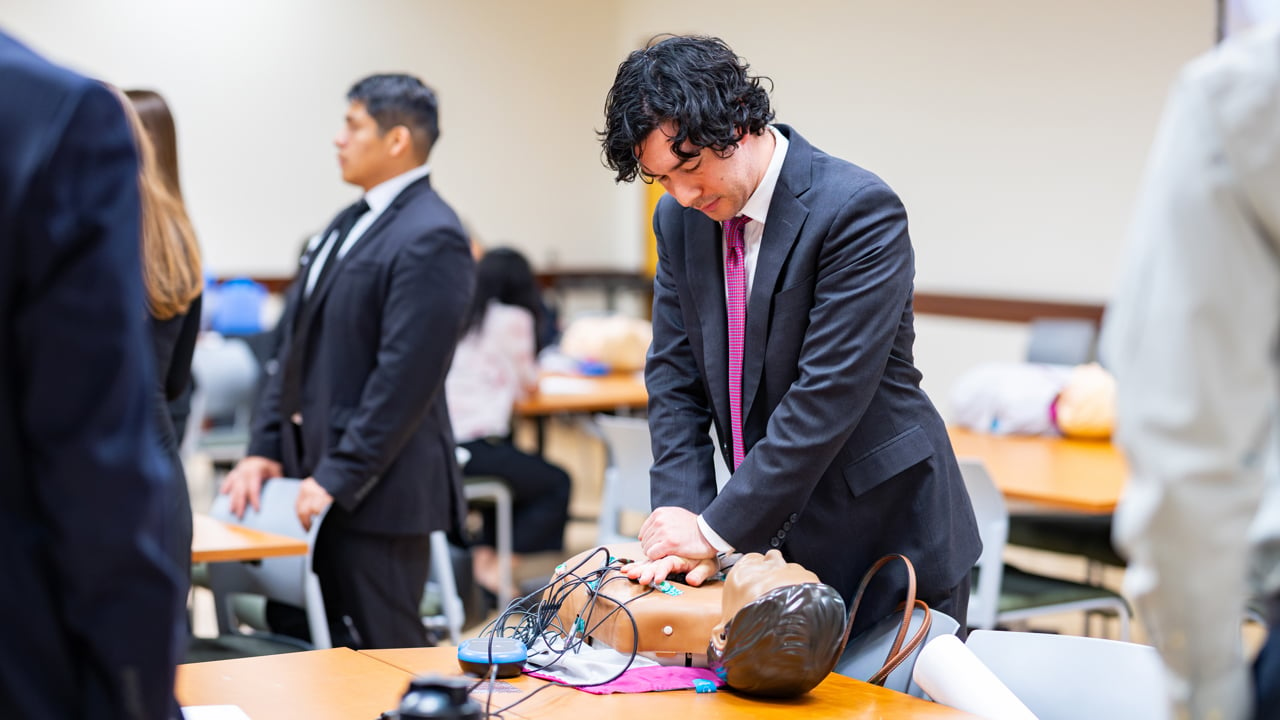
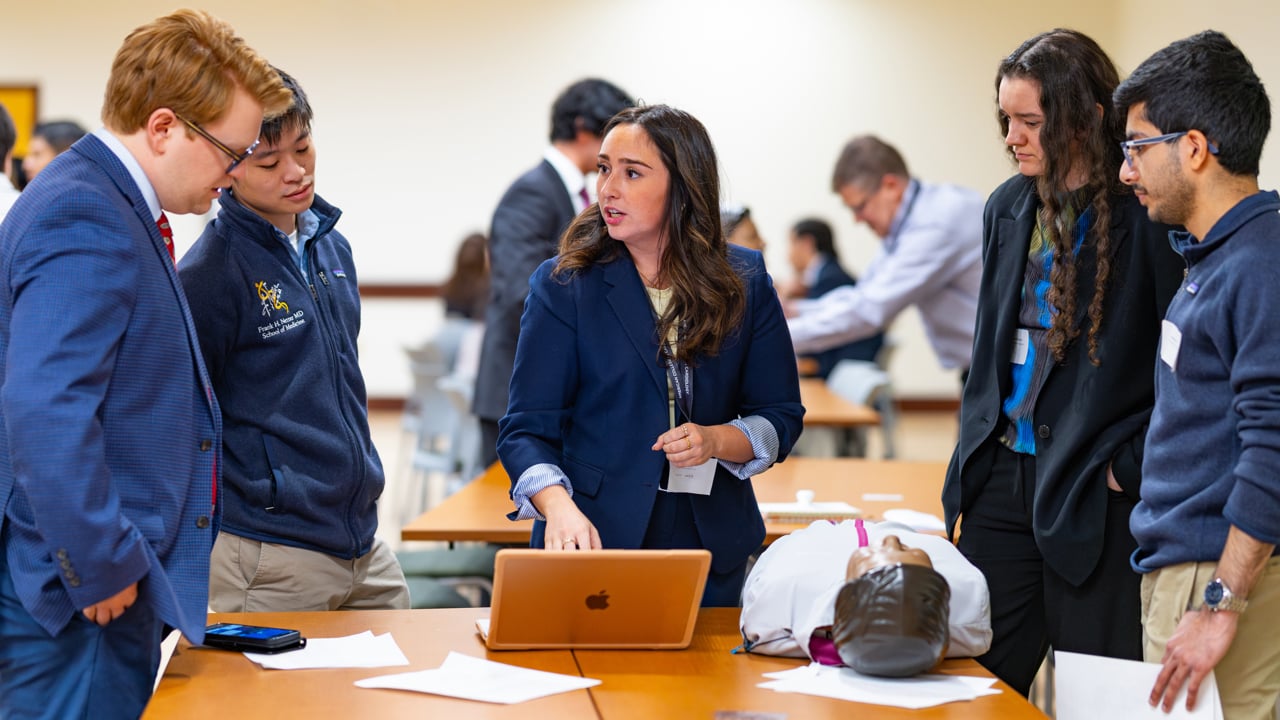
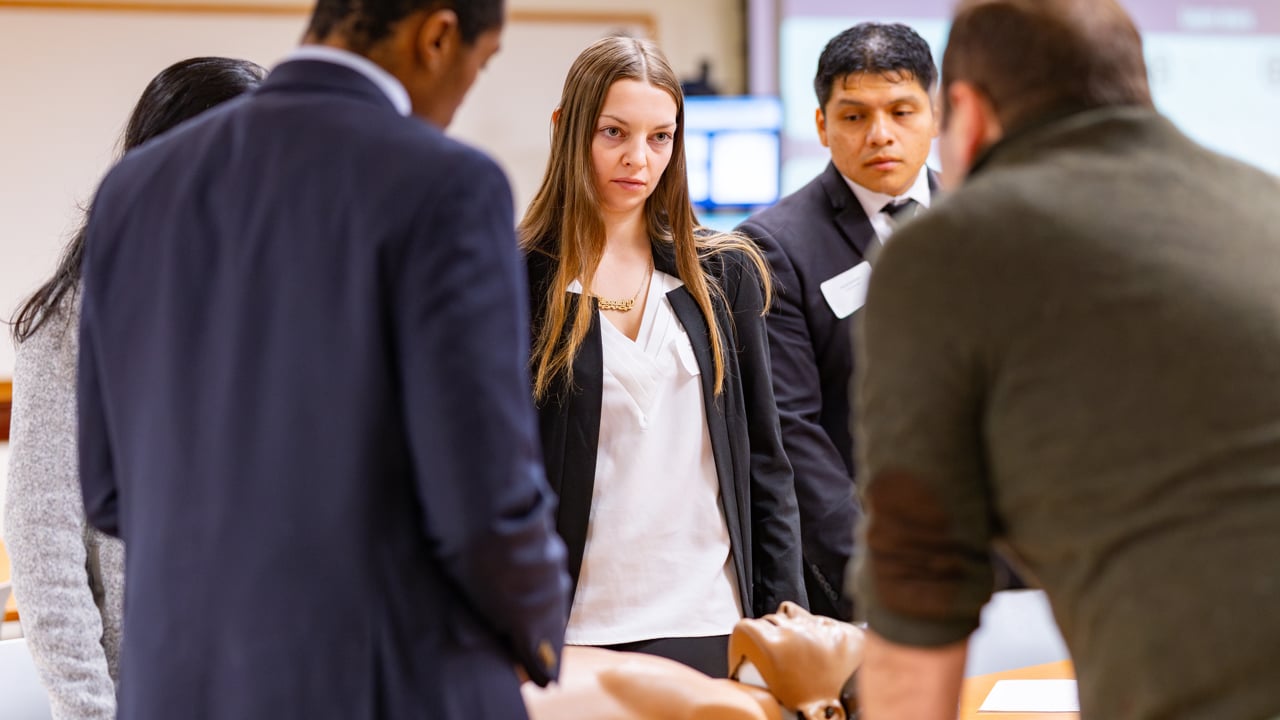
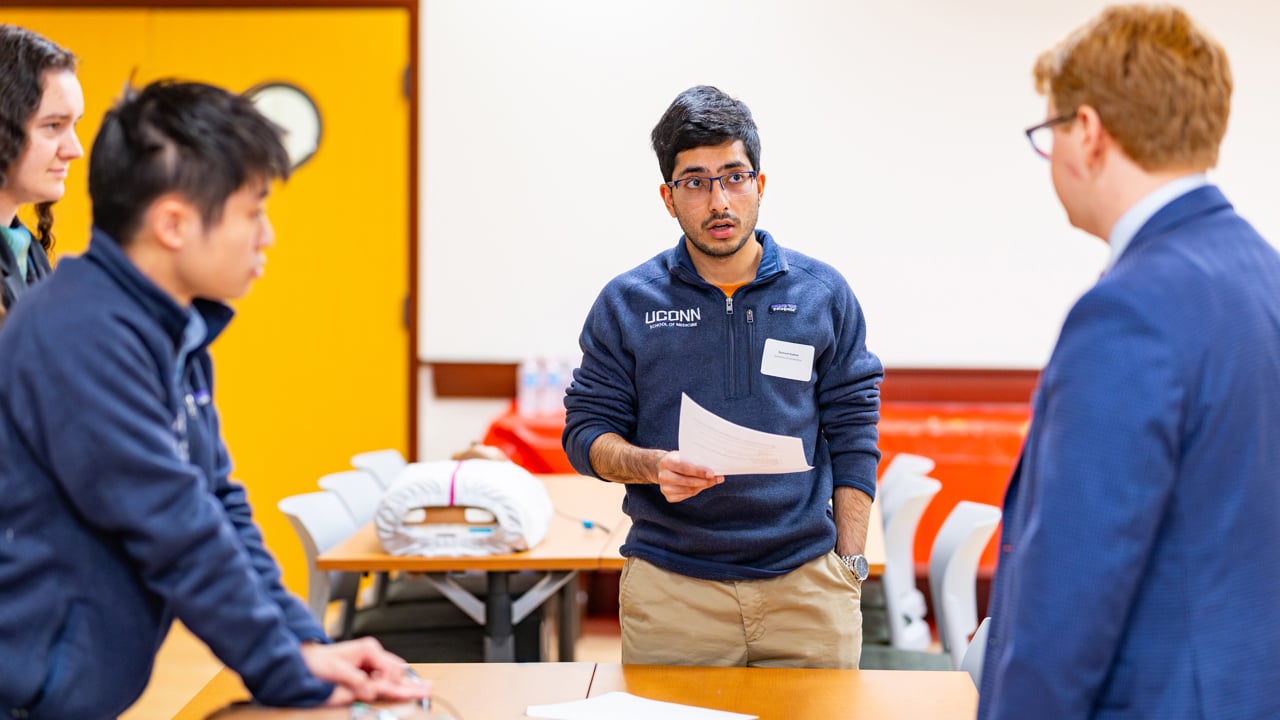
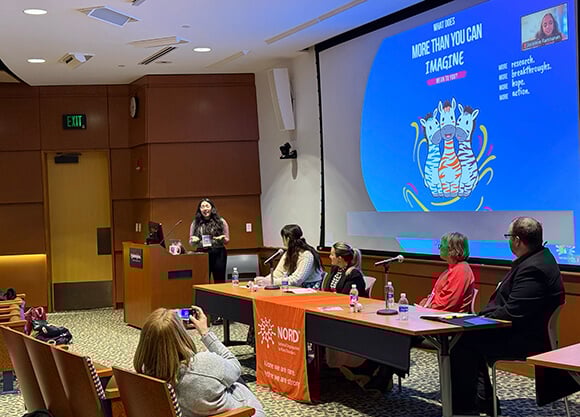
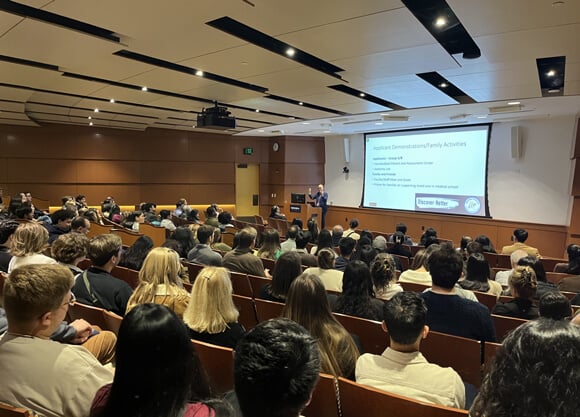
The conference was designed to help medical students interested in cardiology create connections, collaborate, gather advice from experts, engage in experiential learning, and take in student research oral and poster presentations. The full day event gave participants access to keynote speakers offering critical career advice; faculty from participating schools, including those leading a clinical simulation mock code event; networking time with other medical students, and even the opportunity to test their knowledge with a Medical Student Jeopardy Competition.
Tristani said his experiences with American College of Cardiology MSLG members, and connections he’s forged across CIG group leaderships, generated the idea to develop the conference.
“When I recruited the leaders of all the respective cardiology interest groups for this conference, the method that I preached was that we have a very unique opportunity in front of us here to do something that’s truly groundbreaking and that will make a difference not only in our lives, but the lives of our communities,” said Tristani.
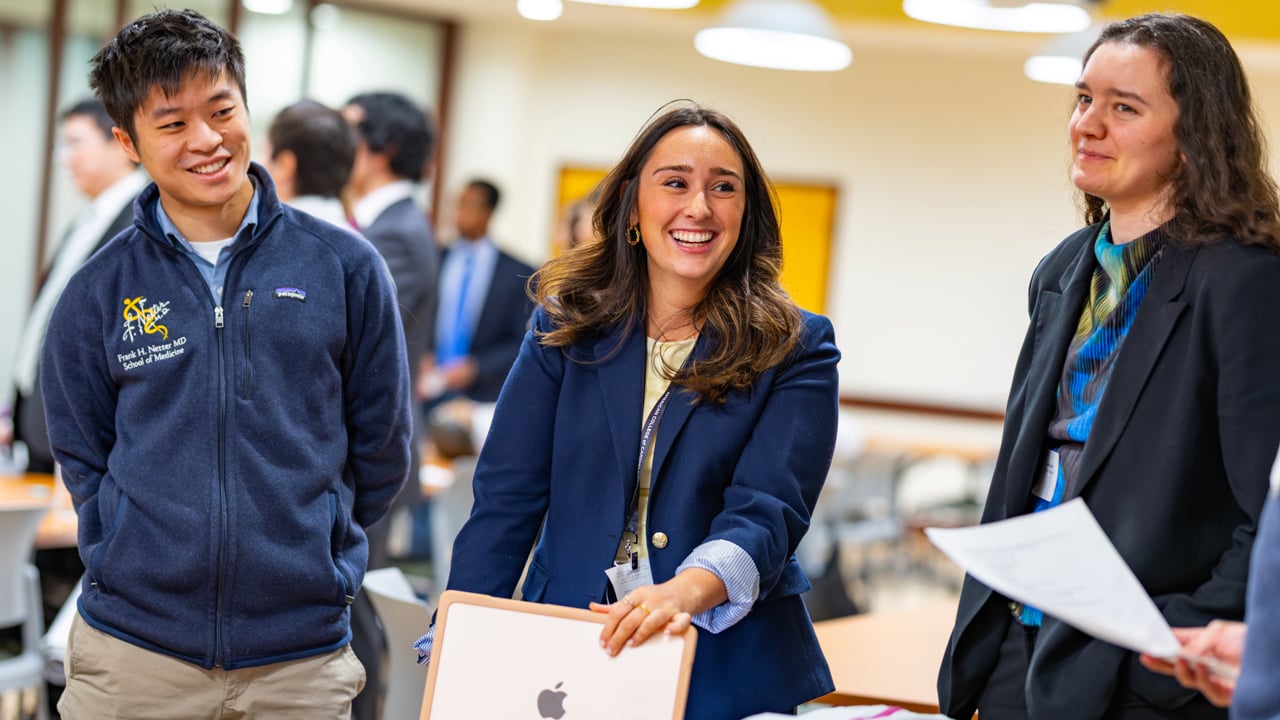
He said Quinnipiac’s current CIG student leadership, including second-year medical student Tiffany Chen, 2025-2026 president; and first-year medical student, Anisha Purohit, 2025-2026 M1 liaison, was instrumental in helping to make the conference a success.
“This is an unprecedented event for medical students anywhere, and an incredible amount of effort has gone into planning it — especially from some of our Quinnipiac University Netter students and staff, alongside myself,” Tristani said.
Chen joined CIG last year as M1 liaison. She said joining Tristani in his foundational work for the new group was very rewarding.
“Working with Anthony as the M1 liaison last year, we got to create a lot of new experiences for our student body that we didn’t have the year prior,” said Chen.
Likewise, working with Tristani on the conference has been exciting, as it’s created a new experience for Quinnipiac and regional medical students with an interest in cardiology, she said.
“For this conference, Anthony has been able to bring in resources from MSLG and from his background and relationships at the school and with other CIG groups. It’s really exciting to be able to hold this conference on campus, bring in people from different schools, and have some amazing speakers that Anthony has invited,” said Chen.
The conference drew medical students from medical schools in Connecticut, New York, Massachusetts and Rhode Island and also allowed participants to join presentations via Zoom from regional medical schools with campuses in Georgia, Michigan and Montana.
“I think this is such an exciting event to not only meet other people in my school who share an interest in cardiology, but also other students from the region, and to get to share ideas,” Purohit said. “We don’t have a lot of opportunities to do that. It’s also been really cool to see how you lead a conference on wider scale, and to be interacting with a lot of different CIG communities in the region.”
Quinnipiac CIG faculty advisor Dr. Anthony Payne said the event’s program, and the remarkable work of the Tristani and fellow medical student organizers, marks a significant milestone for Quinnipiac medical students, regional medical students, and the university.
“For the university to host a conference for medical students created by medical students helps to get the name of the Netter School of Medicine spread around even more,” Payne said. “For the students, it’s a great networking event. It’s a way to meet medical students at other schools, hear about what they’re doing, compare notes and generate ideas. They also have the opportunity to meet and interact with some practicing cardiologists and other people who are in leadership positions.”
Attending the conference, Dr. Brian Malm, president of the Connecticut Chapter of the American College of Cardiology, said he was impressed by the number of opportunities this unique event presented for medical students.
“I think it’s great to see students interested in a particular specialty, in this case, cardiology, coming together across different schools and sharing ideas in a venue like this,” said Malm. “To have opportunities for networking, sharing cases, and learning clinical information is a great way to prepare these students for the future. Hopefully this will continue to be a recurring event, and more faculty can engage with the students and pair them up for mentoring. It’s a great thing to see, and I’m happy to be involved with it.”
Dr. Lindsey Scierka, MD ‘17, MPH gave the morning’s keynote address, “From Medical Student to Cardiologist: The Heart of the Matter.” A physician and researcher specializing in cardiovascular medicine, Scierka is currently serving as a fellow in the Yale New Haven Hospital Cardiology Fellowship Program. Scierka is also a proud member of Quinnipiac University Frank H. Netter MD School of Medicine’s inaugural class.
“I am so excited to be here. It has been little bit of time since I’ve been on campus but it’s still as beautiful as I remember,” Scierka told attendees. “I’m here today to talk about my journey from sitting exactly where you are as medical students through training, fellowship and ultimately being an attending cardiologist.”
Scierka shared some of the highlights of her journey and imparted insights, tips and advice she’s learned along the way. She said it was her hope to help give medical students some practical resources and ideas as they approach their own journeys into the many facets of cardiology. In conclusion, Scierka said those that are the most satisfied in this work are the people who have found something that’s a true fit for them.
“As medical students, we often have our hat in our hand, and we’ll take anything that’s given to us. That really shifts when you become a resident and a fellow; because if you’ve done the work and built yourself as a candidate, you’re going to have a number of programs that are interested in you, and you really need to find the best one for you,” said Scierka. “There’s no single path to cardiology. You can go fast, you can go slow, you can do research or not. You don’t have to have it all figured out right now. Just keep staying open and your intentional choices will take you much further than your uncertainty ever will.”
Afternoon speeches touching on the importance of early community involvement for medical students were presented by In a Heartbeat Foundation President and CEO Mike Papale and Dr. Felice Heller of Hartford Hospital.
After surviving sudden cardiac arrest at age 17, Papale became a coach and advocate for placing AEDs in communities. He established In a Heartbeat Foundation in 2016. The Wallingford, Connecticut-based nonprofit is dedicated to preventing sudden cardiac arrest and raising awareness about hypertrophic cardiomyopathy (HCM).
In addition to the event’s student poster session, two brief oral presentations also invited attendees to learn from their fellow medical students. Quinnipiac second-year medical student Alex Hayden gave a talk on his participation in a study researching the impact of prosthesis-patient mismatch on patients with aortic stenosis treated with transcatheter aortic valve replacement. The collaborative study was conducted by members of Hartford Hospital Departments of Cardiology and Cardiac Surgery; Hartford Healthcare Heart and Vascular Institute; and Quinnipiac Frank H. Netter MD School of Medicine.
Tristani said the success of the school’s First Annual Northeast Regional Cardiology Interest Group (CIG) Medical Student Conference has provided momentum for the broader medical student community.
“The goal of the conference is to celebrate each other’s accomplishments, to learn more about each other’s research and to further our network. But most importantly, it’s to emphasize the theme of community,” said Tristani.








Quinnipiac Today is your source for what's happening throughout #BobcatNation. Sign up for our weekly email newsletter to be among the first to know about news, events and members of our Bobcat family who are making a positive difference in our world.
Sign Up Now