



Medical student creates learning kit to help fellow students use AI in responsible way
January 17, 2026
January 17, 2026

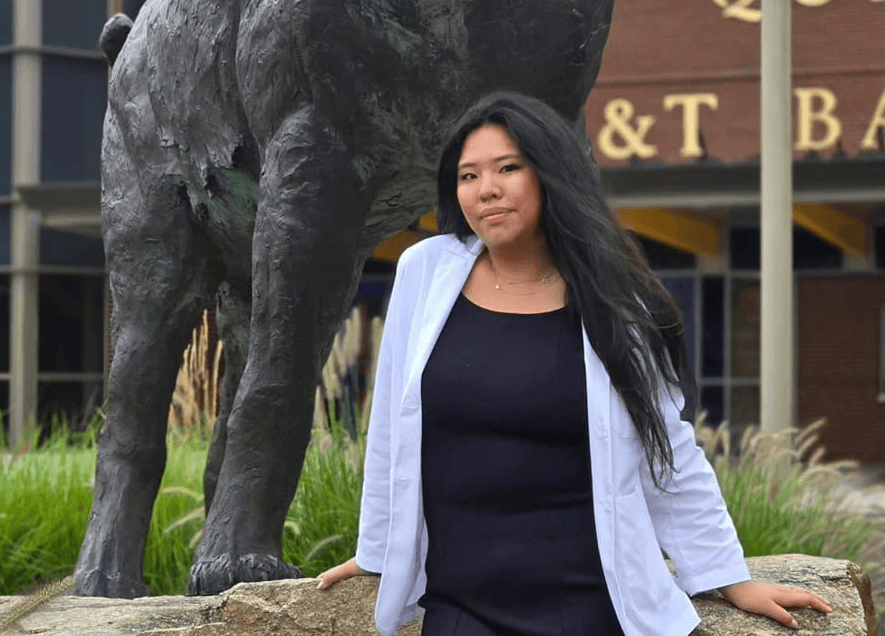
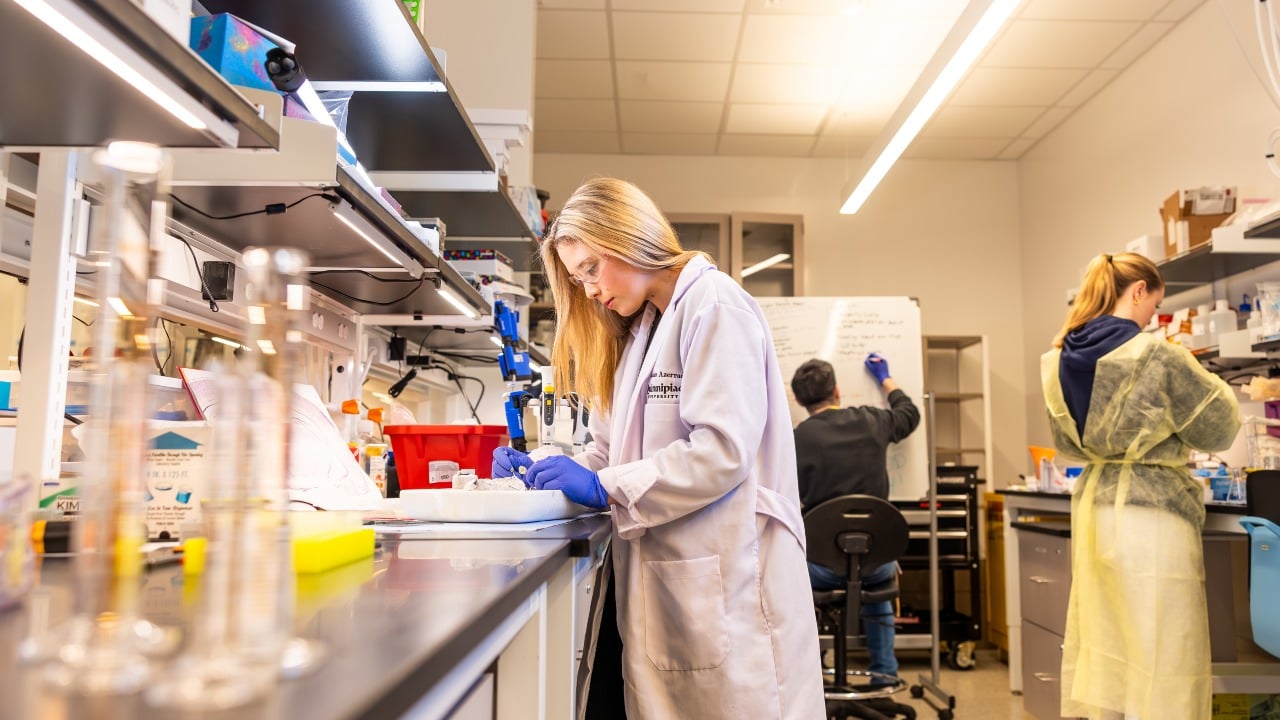
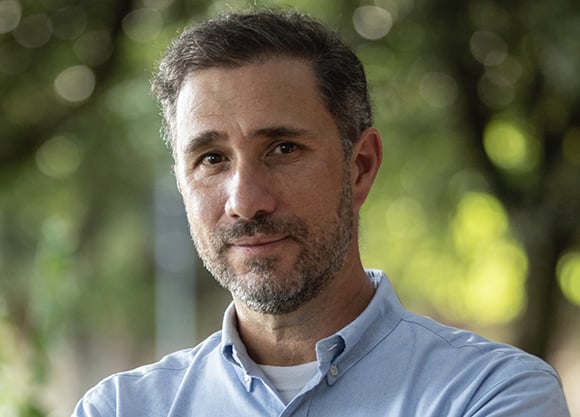
Sifat Alam, MD ’28, a student at the Frank H. Netter MD School of Medicine at Quinnipiac, is part of a research project focused on developing an AI learning kit to teach medical students how to use AI effectively and safely in their education.
“One of the biggest things that drew me to this project was how widespread AI use has become, especially in medical school, but without much direction,” said Alam. “We’re using it constantly — to study, plan and look up clinical concepts — but most students haven’t been taught how to use it effectively or safely.”
The project idea was initiated by Douglas McHugh, professor of medical sciences and assistant dean for the foundational science curriculum, who aimed to build a framework that helps students use AI to strengthen their critical thinking rather than replace it.
Alam said the goal is to ensure that AI becomes a structured tool for medical learning, not a shortcut.
“Without guardrails, AI can easily become something we lean on too heavily,” Alam explained. “Our goal is to empower students to use AI intentionally, to prompt smarter, think critically and stay grounded in the learning process.”
After interviewing multiple students, Alam and his team realized that many who are frequent users of AI, such as Chat GPT, lacked awareness of the potential risks and problems.
Their findings made it strikingly apparent that students needed more structured guidance on how to safely use AI, avoiding misinformation and engaging in deeper, critical thinking.
The AI learning kit addresses those needs through a prompt library tailored to the foundations of medicine curriculum and interactive case simulations that actively encourage thoughtful questioning and clinical reasoning. Students have noted that the kit has helped to make their studying process more rewarding and engaging.
To strengthen their work even more, Alam and his team plan to hold focus groups. They will test the learning kit across different platforms, and evaluate the tone, accuracy and usability. They also hope to offer the kit to students at various stages of medical training, ensuring that the tool is adaptable and effective for students of all levels.
Alam imagines a future where generative AI can act as an everyday companion and co-pilot in the medical field. A tool meant for supporting effective learning rather than replacing it. He envisions students engaging in AI-simulated patient interviews and evolving clinical scenarios and receiving instant feedback on their questions and reasoning.
As AI becomes increasingly prominent in the medical world, concerns about it also continue to grow.
Alam has noted this, and believes transparency is key when dealing with uneasy patients.
Clear communication is needed to explain how AI is used to provide support for clinical reasoning, not a replacement for making decisions, he said. Training students to engage with AI responsibly will ensure that future physicians can confidentially and thoughtfully communicate its role to patients.
Looking ahead, Alam is excited about the potential of this work and how it may shape the next generation of how physicians learn.
For him, this project is not just about integrated technology but about enhancing the learning of the future. His team has worked incredibly hard, and Alam also shared special appreciation for the guidance of Dr. McHugh, whose mentorship helped transform the learning kit from an idea, to a growing resource in the School of Medicine community.
“This project has given me the chance to help redefine how students interact with AI,” Alam said. “It is something created by students, for students, and I hope it encourages future clinicians to use these tools not just for quick answers, but to become sharper, more reflective thinkers.”





Quinnipiac Today is your source for what's happening throughout #BobcatNation. Sign up for our weekly email newsletter to be among the first to know about news, events and members of our Bobcat family who are making a positive difference in our world.
Sign Up Now