


Professor Cindy Kern leads national study along with alumna
February 13, 2026
February 13, 2026
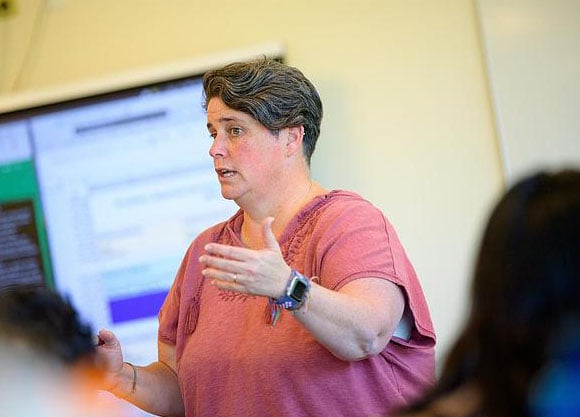
As the director of QUADS, Kern is passionate about the importance of combining belonging, equity and STEM education. The study showcases QUADS’ foundation.
“The study grew out of a question that drives so much of our work in QUADS: How do relationships — and the way we intentionally design them — shape belonging, identity and students’ sense of possibility?” said Kern.
The study, conducted over the summer, proved that belonging can be cultivated through intentional design tactics.
“The moment that stayed with me was seeing belonging show up — clearly, visually, statistically — in the data,” explained Kern. “By the end of the summer experience, belonging scores were high across all groups. Early differences among students, teachers and mentors disappeared. The network nearly doubled in ties, with clear cross-school relationships forming. It affirmed that belonging isn’t luck or personality-driven. It’s something you can design for — intentionally and thoughtfully — and when you do, students’ confidence and engagement shift in meaningful ways.”
Along with partnering with Rachelle Pedersen of Texas Tech University, Kern teamed up with Quinnipiac alumna, Emily Sparago ‘20. Sparago’s energy and technical skills enhanced the study.
“In this study, Emily co-designed the SNA instruments, led the quantitative analysis and helped interpret the evolving networks with a deep sensitivity to the lived realities of our students, teachers and mentors,” Kern said. “Her thinking allowed us to hold the complexity of belonging while still committing to rigorous research, strengthening the study in every way.”
Despite the study’s resounding success, the team faced challenges along the way. Kern explained that integrating humanness into technical frameworks is not easy.
“One of the biggest challenges was holding onto the deeply human nature of belonging while also working within a highly technical research framework,” said Kern. “Social Network Analysis is mathematical and structural; belonging is relational, emotional and contextual. We spent a lot of time making sure the data interpretation honored the nuance.”
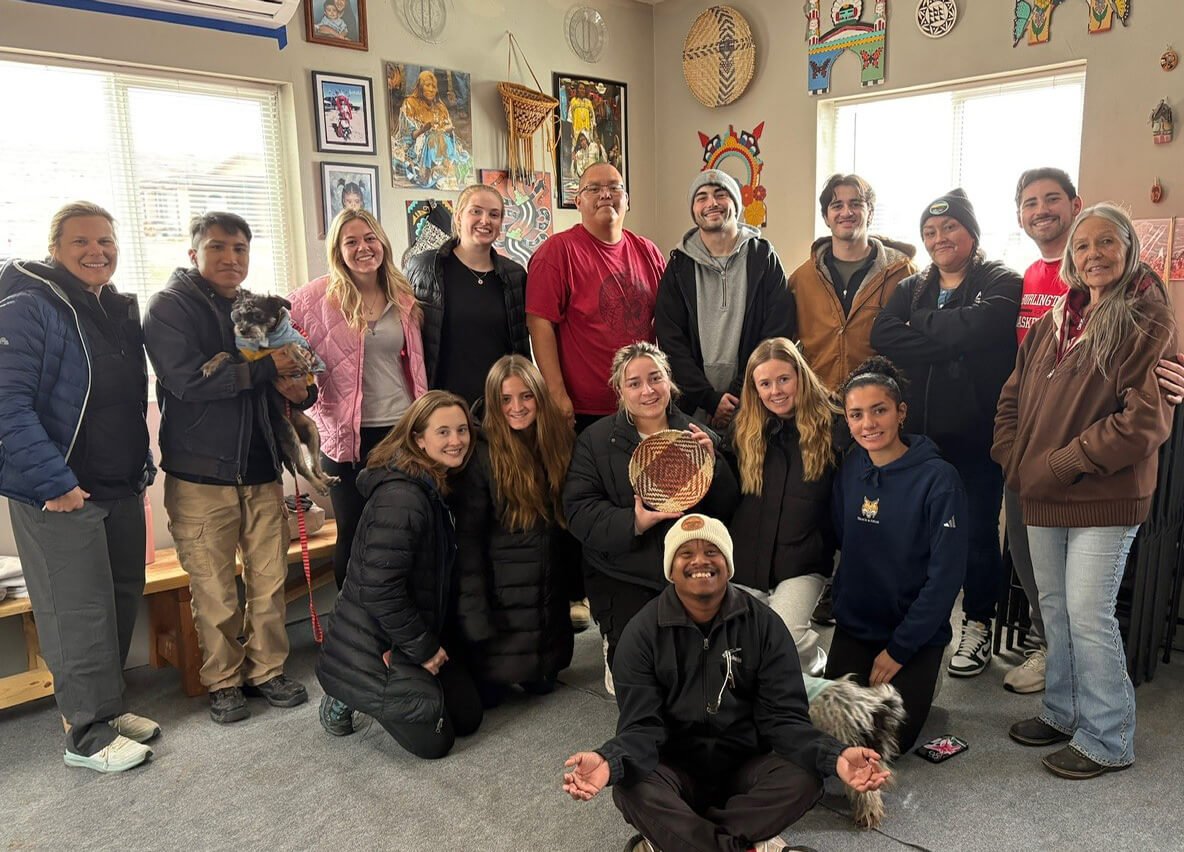
Kern expressed gratitude for the QUADS community. This study reflects what the QUADS community stands for and has accomplished.
“QUADS is, at its core, a community of people learning together — students, mentors, teachers, faculty and families,” said Kern. “The heart of this program is the network of relationships that make students feel seen, supported and capable. This study simply helps make that visible. I also want to recognize the mentors, teachers and faculty whose daily work cultivates the QUADS community. Their commitment to relationship-building, inclusive teaching and authentic science experiences is what allows students to step into this space with confidence and curiosity. QUADS exists because of their care.”

















Quinnipiac Today is your source for what's happening throughout #BobcatNation. Sign up for our weekly email newsletter to be among the first to know about news, events and members of our Bobcat family who are making a positive difference in our world.
Sign Up Now