



Staying safe at Quinnipiac: What students should know
January 16, 2026
January 16, 2026
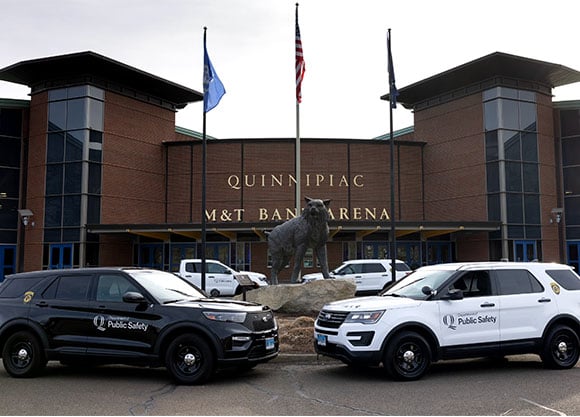
While Public Safety officers and campus systems play a vital role in protecting our community, safety is a shared responsibility that depends on awareness, preparedness and engagement from us all.
We encourage you to review the resources and guidelines outlined in this document to help ensure a safe and successful semester for everyone.
Through 24/7 public safety services, robust emergency preparedness systems, ongoing training and close partnerships with local first responders, Quinnipiac continues to prioritize the well-being of its campus community.
Being prepared starts with knowing where to turn for help.
Emergencies: Call 911
Quinnipiac Department of Public Safety (24/7): 203-582-6200
(On-campus phones: dial 6200)
Health Services (after hours): 203-407-4050, option 2
Counseling Services and Mental Health Services (after hours): 203-407-4020, option 3
Suicide & Crisis Lifeline: 988
Students are encouraged to save these numbers in their phones and share them with family members.
Quinnipiac’s Department of Public Safety operates 24 hours a day, seven days a week on the Mount Carmel and York Hill campuses and from 7 a.m.–11 p.m. on the North Haven Campus. Officers conduct foot and vehicle patrols, respond to emergency and non-emergency calls, provide safety escorts, monitor campus access points and support events and activities.
Public Safety also works closely with local police, fire and emergency medical services to ensure coordinated and effective responses when needed. Students should always carry their QCard, which is required for campus access and identification.
Quinnipiac uses multiple systems to keep the community informed during emergencies:
QU Alerts deliver urgent notifications via text, email and phone call.
Alertus sends emergency messages directly to campus computers.
Rave Guardian allows students to request virtual walking escorts, communicate directly with Public Safety and share location information during emergencies.
Keeping contact information up to date ensures students receive critical messages without delay.
Blue Light emergency phones are located throughout Mount Carmel, York Hill and North Haven, particularly in parking lots, garages and along frequently used walkways. These highly visible phones provide a direct line to Public Safety and serve as both an emergency resource and a deterrent to crime.
Students are encouraged to familiarize themselves with the locations of Blue Light phones near their residence halls, classrooms and parking areas.
To enhance safety and manage traffic flow, Quinnipiac has established guidelines for rideshare services such as Uber and Lyft.
Pick-ups and drop-offs are limited to designated campus locations
Drivers may be required to check in or present identification at campus entrances
Students should meet rides in well-lit, populated areas and confirm driver and vehicle details before entering
If a rideshare interaction feels unsafe or violates campus procedures, students should cancel the ride and contact Public Safety.
Each Quinnipiac campus is supported by tailored safety measures
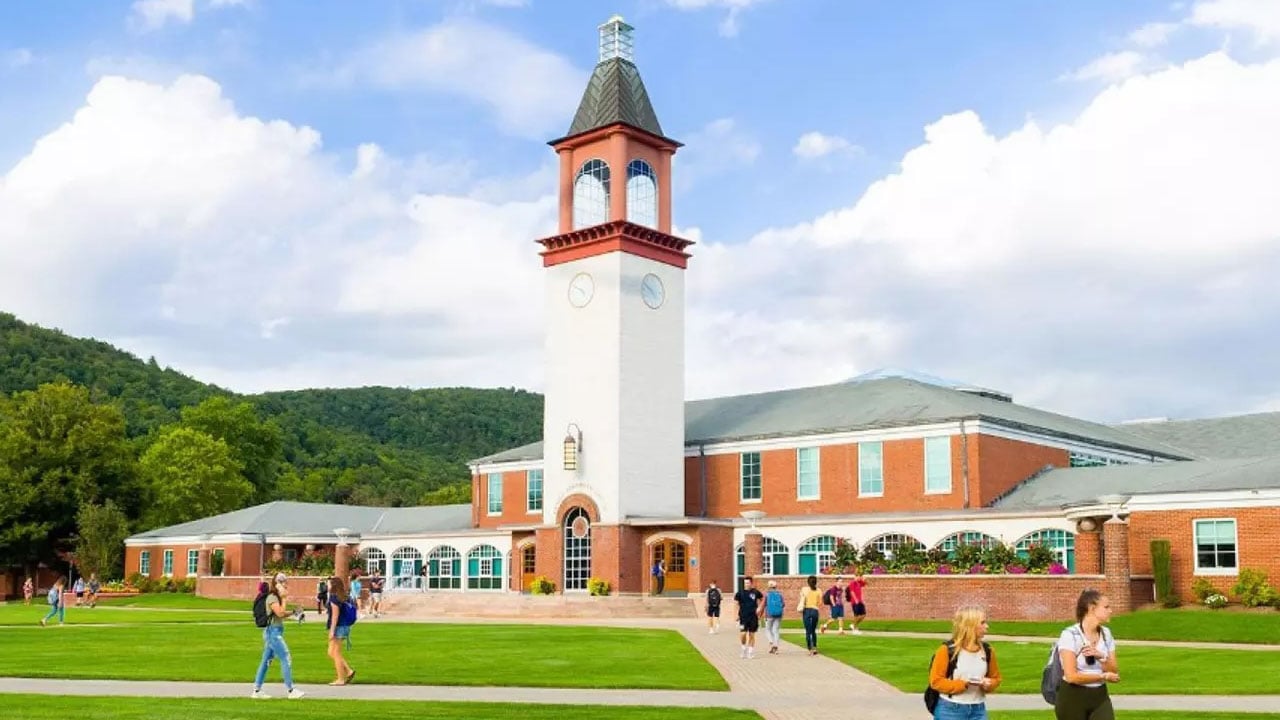
Mount Carmel Campus: The primary residential campus and home to Public Safety headquarters, featuring controlled access points, patrols, cameras and Blue Light phones.
North Haven Campus: Professional programs and parking facilities supported by Blue Light phones, garage monitoring and traffic enforcement.
York Hill Campus: Includes the Rocky Top Student Center, M&T Bank Arena and upperclass residence halls with dedicated patrols, emergency phones and shuttle and escort services.
While rare, Quinnipiac encourages all students to understand the Run, Hide, Fight framework for responding to an active aggressor situation:
Run: Leave the area immediately if it is safe to do so.
Hide: If escape is not possible, secure your location by locking and barricading doors and remaining quiet.
Fight: As a last resort, defend yourself if your life is in immediate danger.
Preparedness education, drills and training help ensure the community is ready to respond effectively.
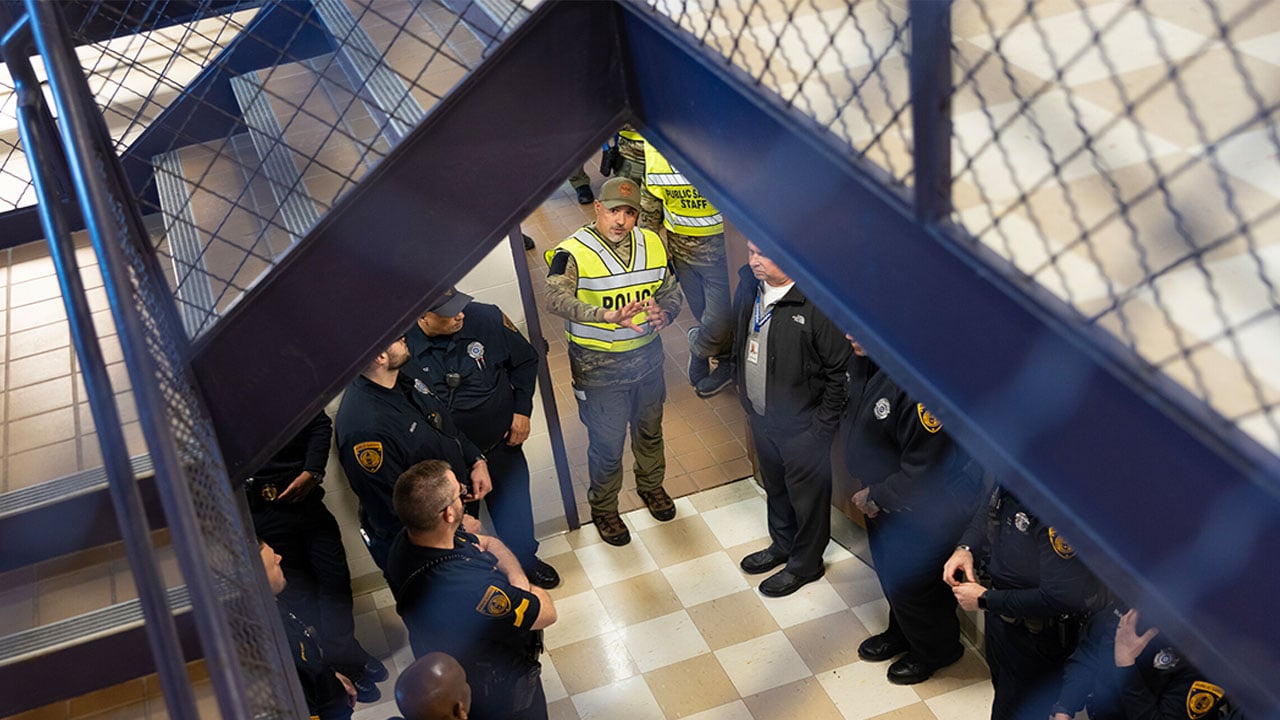
Quinnipiac’s dedication to safety is reflected in ongoing training and preparedness efforts. During the winter break, the Department of Public Safety conducted a joint training exercise at Ledges Residence Hall in coordination with the Hamden Police Department Tactical Team. Read the story here.
The exercise focused on active aggressor preparedness and included building-clearing tactics, barricaded-subject response protocols, interagency coordination and emergency communication procedures. Approximately 45 officers participated in the full-day drill.
This exercise followed a summer tabletop training that brought together campus leaders and external partners at the federal, state and local levels. Together, these efforts demonstrate Quinnipiac’s ongoing investment in coordination, communication and emergency readiness.
Quinnipiac offers a wide range of support services to help students thrive:
Health Services, in partnership with Hartford HealthCare
Counseling Services, providing free and confidential mental health support
QU EMS, a student-run emergency medical response organization
Students are encouraged to seek support early and often.
Staying informed, using available resources, reporting concerns and looking out for one another all contribute to a strong and supportive campus community. If you see something concerning, say something — promptly reporting suspicious behavior or safety issues helps protect everyone in our community.
For more details and to sign up for emergency alerts, visit the university’s Emergency Preparedness and Response webpage. As the Spring 2026 semester begins, Quinnipiac remains committed to ensuring that students can learn, live and connect in a safe and secure environment.
Sincerely,
Tony Reyes


















Quinnipiac Today is your source for what's happening throughout #BobcatNation. Sign up for our weekly email newsletter to be among the first to know about news, events and members of our Bobcat family who are making a positive difference in our world.
Sign Up Now