


Medicine
A Case-Based Educational Module that Promotes Screening for Urgent Maternal Health Warning Signs and Health Equity
Medicine
A Case-Based Educational Module that Promotes Screening for Urgent Maternal Health Warning Signs and Health Equity
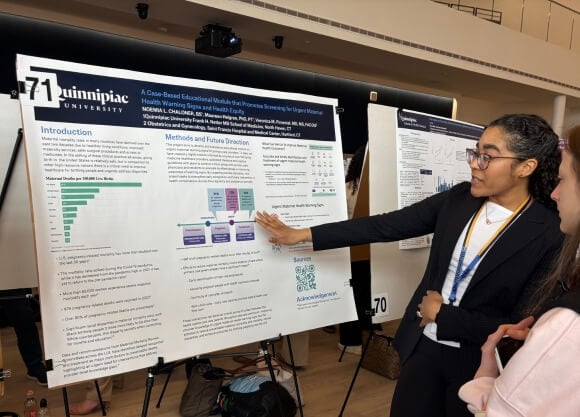
Noemia Chaloner, Class of 2028, completed this project as part of the Scholarly Reflection and Concentration Capstone Course under the mentorship of Maureen Helgren, associate professor of medical sciences and Dr. Veronica Pimentel, obstetrician-gynecologist at St. Francis Hospital and Medical Center.
Overview
Maternal mortality rates in many countries have declined over the past two decades due to healthier living conditions, improved maternity services, safer surgical procedures, and access to medicines. In the setting of these clinical practice advances, childbirth in the United States is generally considered safe, but in comparison to other high-resource nations there is a critical need to improve healthcare for birthing people and urgently address disparities. This project aims to develop and evaluate an educational module on urgent maternal warning signs for primary care providers.
Researcher

Noemia Chaloner, Class of 2028
MD Program
Frank H. Netter MD School of Medicine
A Case-Based Educational Module that Promotes Screening for Urgent Maternal Health Warning Signs and Health Equity
Introduction
Maternal mortality rates in many countries have declined over the past two decades due to healthier living conditions, improved maternity services, safer surgical procedures and access to medicines. In the setting of these clinical practice advances, giving birth in the United States is relatively safe, but in comparison to other high-resource nations there is a critical need to improve healthcare for birthing people and urgently address disparities. 1
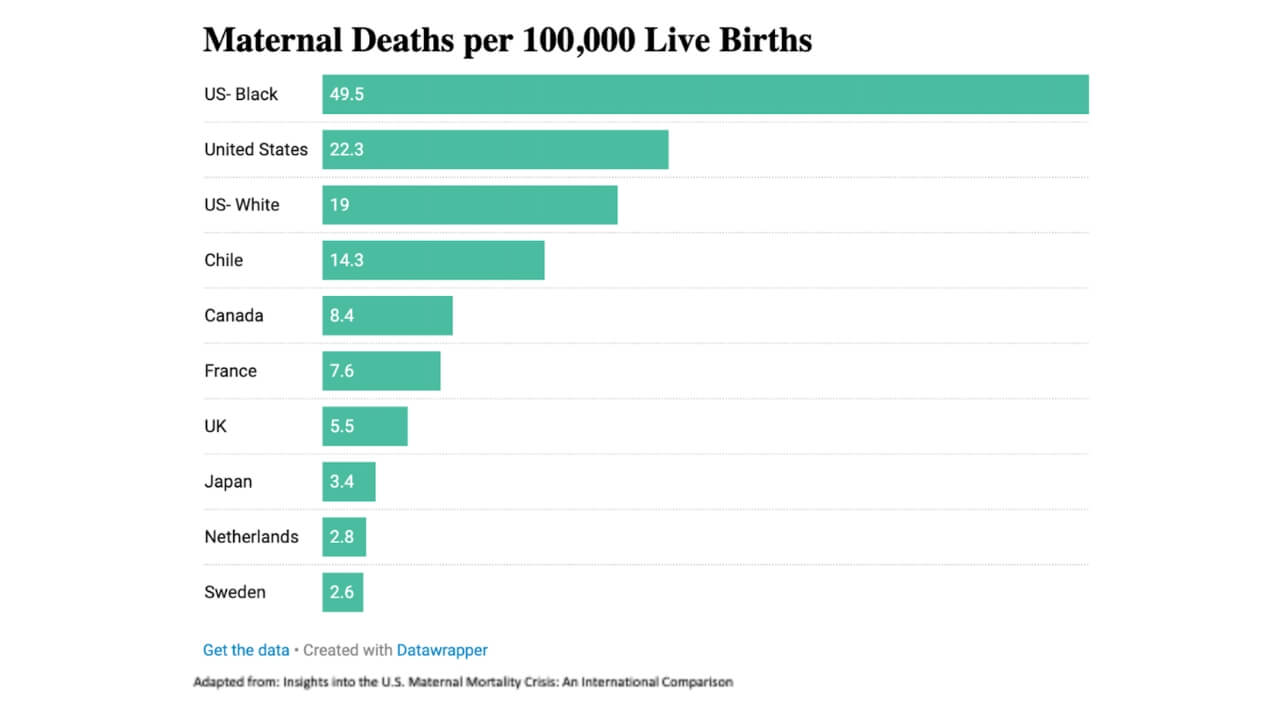
- U.S. pregnancy-related mortality has more than doubled over the last 30 years 2
- The mortality ratio spiked during the Covid-19 pandemic, while it has decreased from the pandemic high in 2021 it has yet to return to the pre-pandemic ratio 2
- More than 60,000 women experience severe maternal morbidity each year 3
- 676 pregnancy-related deaths were reported in 2023 2
- Over 80% of pregnancy-related deaths are preventable 4
- Significant racial disparities in maternal mortality exist, with Black birthing people 3 times more likely to die than their White counterparts, this disparity persists when controlling for income and education 2,5
Data and recommendations from Maternal Mortality Review Committees across the U.S. have identified delayed recognition and treatment as major contributors to preventable deaths highlighting an urgent need for interventions that address provider-level knowledge gaps. 4
Methods and Future Direction
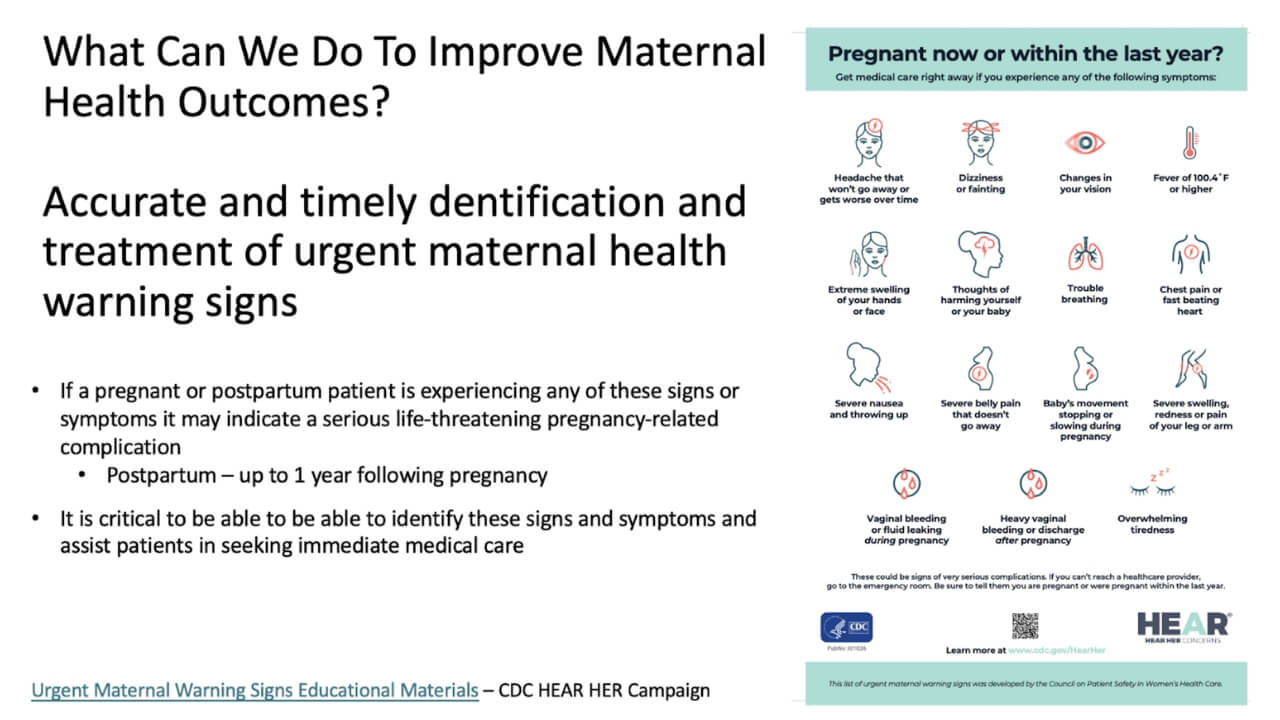
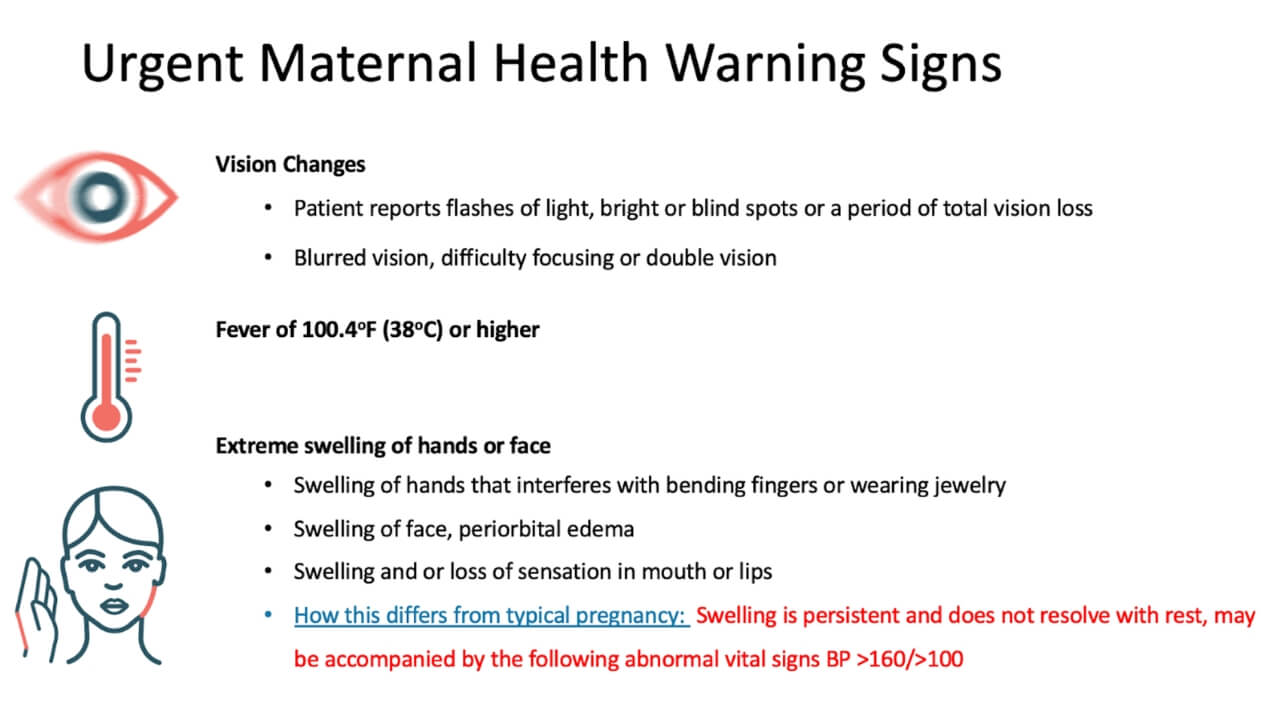
This project aims to develop and evaluate an educational module on urgent maternal warning signs for primary care providers. To date, we have created a digital module informed by a survey of over 110 family medicine healthcare providers, published literature and practice guidelines with plans to conduct a focus group with primary care physicians and residents to evaluate its effectiveness in improving awareness of warning signs. By targeting provider education, this project seeks to strengthen early recognition and timely intervention in health complications during the pregnancy and postpartum periods.
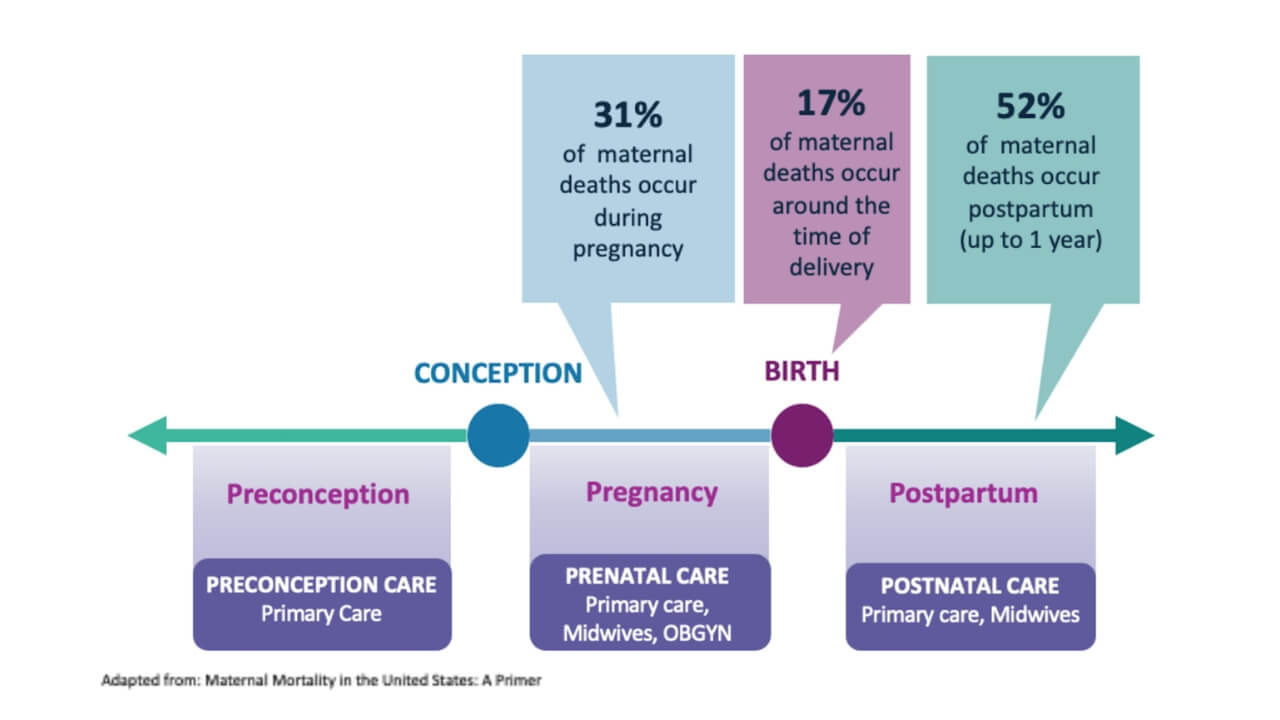
- Half of pregnancy-related deaths occur after the day of birth 6
- Efforts to reduce maternal mortality emphasize areas of care where primary care providers, particularly in family medicine and pediatrics, have a significant impact: 6
- Early identification of high-risk pregnancies
- Assisting pregnant people with health insurance coverage
- Continuity of care after childbirth
- Well-child visits - many new parents prioritize baby's health over their own
These interactions can serve as critical points of contact between the health system and new parents throughout the care continuum. Improving provider knowledge of urgent maternal health warning signs has the potential to reduce preventable maternal morbidity and mortality, narrow disparities, and enhance outcomes for birthing people across the U.S.
Mentor
Dr. Veronica M. Pimentel
St. Francis Hospital and Medical Center
For Further Discussion
This serves as an overview of the project and does not include the complete work. To further discuss this project, please email Noemia Chaloner.
Course Overview
The Scholarly Reflection and Concentration/Capstone course allows you to personalize your curriculum and prepares you for scholarly endeavors during residency and future practice. You will self-design and execute a capstone project in an area you are passionate about over the course of four years.
Explore Our Areas of Interest
We've sorted each of our undergraduate, graduate and doctoral programs into unique Areas of Interest. Explore these categories to discover which programs and delivery methods best align with your educational and career goals.