


Marketing
Fear vs. Fascination: A Study of Benign Masochism in Media
Marketing
Fear vs. Fascination: A Study of Benign Masochism in Media
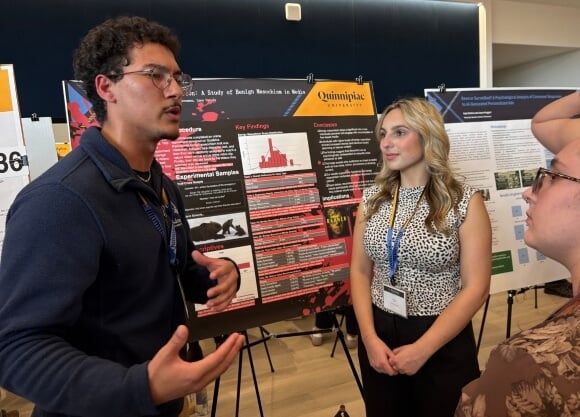
Mila Iuteri ’25, MBA ’26, Julien Mercado Bonanno ’25, MBA ’26 and Luca Cutolo ’25, MBA ’26 completed this project as part of MK 620: Applied Consumer Behavior Research.
Overview
Benign masochism is the enjoyment of experiences that are typically uncomfortable but not actually harmful. This study examines why people respond positively to uncomfortable media. The results of this project can help explain how media type influences emotional responses and enjoyment of discomfort by investigating the interacting effects of benign masochism and media type.
Student Researchers

Julien Mercado Bonanno ’25, MBA ’26
Communications / Media Studies, Business Administration
School of Communications, School of Business

Luca Cutolo ’25, MBA ’26
Health Science Studies, BS/MBA (3+1)
School of Health Sciences, School of Business

Mila Iuteri ’25, MBA ’26
Marketing, BS/MBA (3+1)
School of Business
Fear vs. Fascination: A Study of Benign Masochism in Media
Introduction
- People high in benign masochism seek out negative, high-arousal content (e.g., scary or disturbing videos) because they reinterpret these experiences and ultimately feel better after exposure (Dysuch-Hazar & Mitschke, 2023)
- They are driven by emotion regulation and sensation-seeking, intentionally engaging with uncomfortable media to gain psychological reward once the situation is perceived as safe (Dyduch-Hazar & Mitschke, 2023)
- This study aims to better understand how individual psychological differences, specifically benign masoshism, influence media preferences, helping explain why people are drawn to uncomfortable or distressing content
Key Hypothesis
H1: Benign masoshism moderates the effect of true crime versus nature documentary effects on indivdual viewing perceptions and frequency.
Procedure
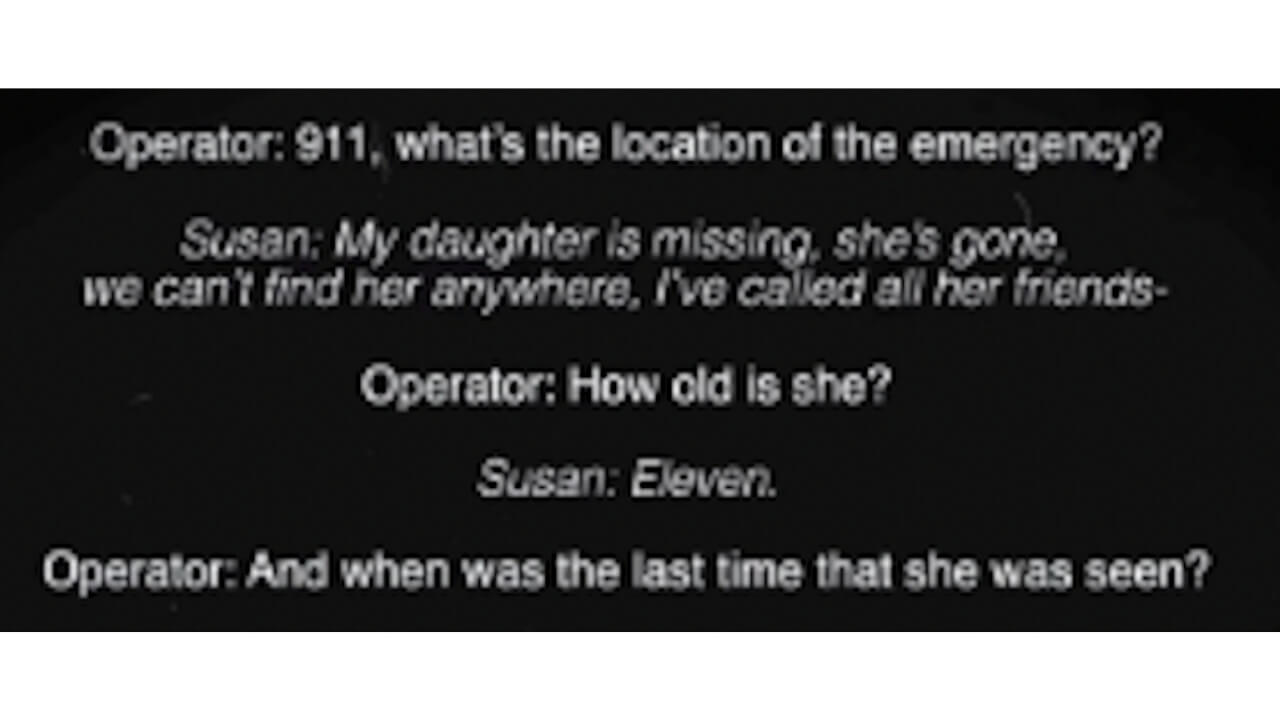
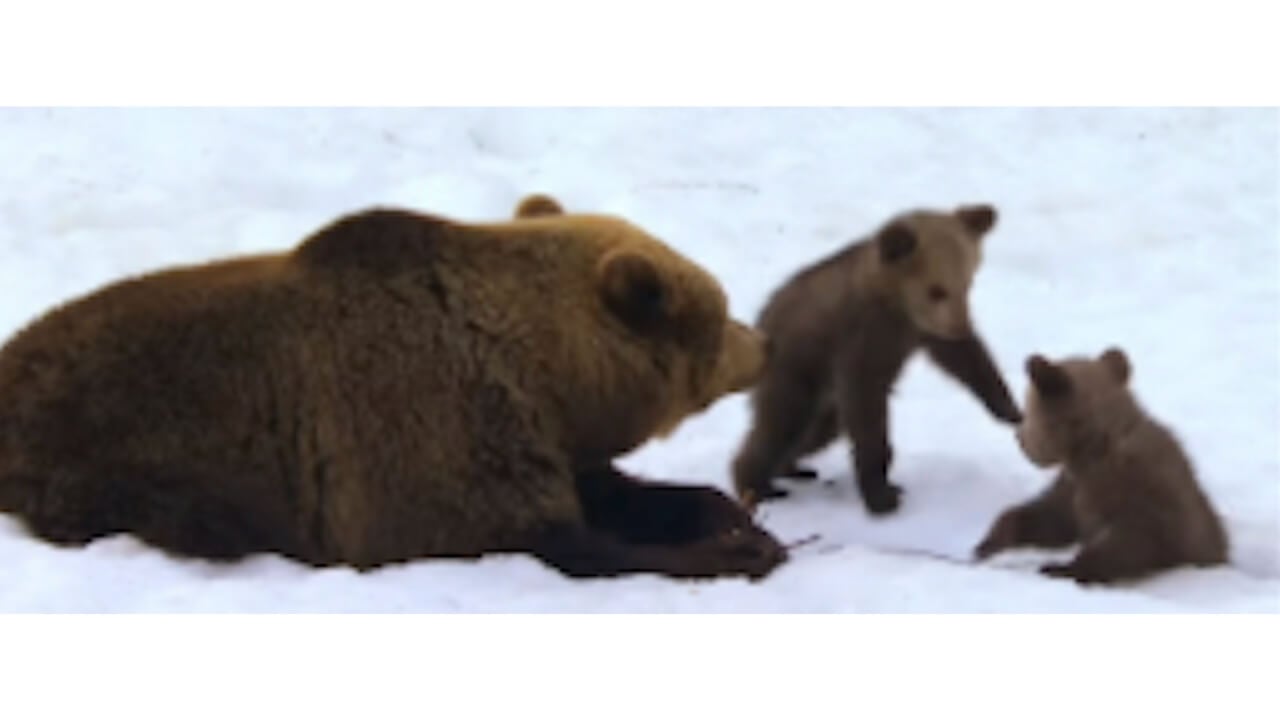
68 participants completed an online experiment designed on Qualtrics. Participants benign masoshism trait was measured, followed by a distractor task, and then they were randomly assigned to watch a nature video versus a true crime video clip. Finally, their attitude towards the videos they watched was assessed.
DV: How often do you watch content like this? (Question was asked on a 1-5 scale)
Experimental Sample
True Crime Sample
 Nature Sample
Descriptives
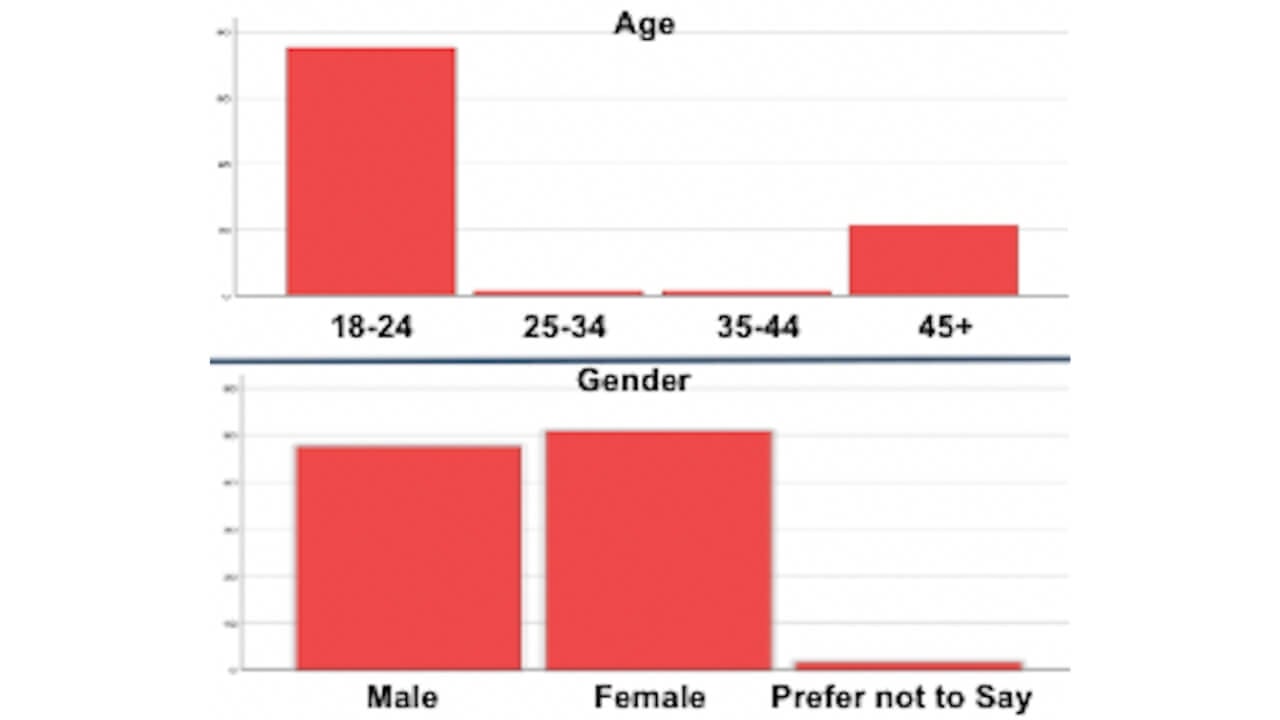
Age: Primarily young adults | Gender: Evenly split between male and remale, with minimal discretion.
Key Findings
Benign Masochism Score Distribution
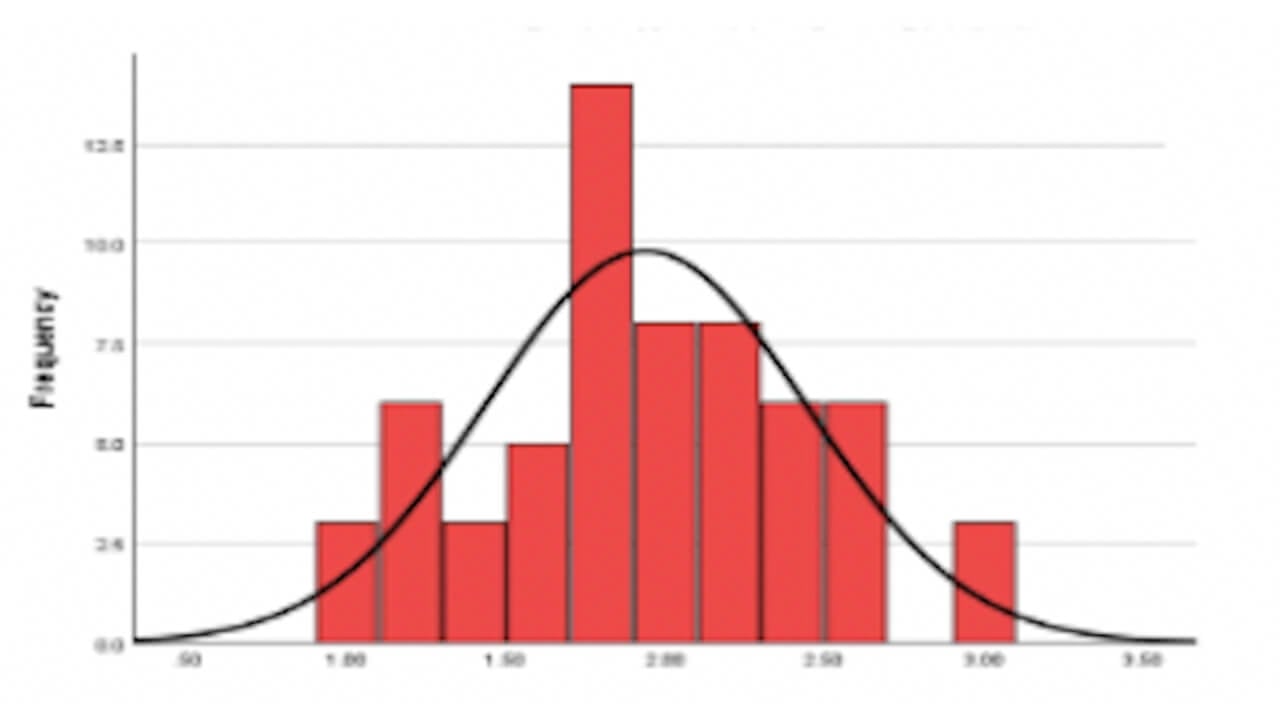
Table 1: Regression Results: Interactions for Video Type and Benign Masochism
| Video Type | Continue Watching Percentage |
| Nature | 80% |
| True Crime | 68% |
This suggests that the influence of masochistic tendencies on viewing frequency depends on whether the content is true crime or nature.
Table 2: Regression Results: Interactions for Video Type and Benign Masochism
| Variable (Interaction) | t | Sig. |
| Video Type | 0.016 | 0.987 |
| Benign Masochism | -2.043 | 0.046 |
| Benign Masochism* Video Type | 1.930 | 0.059 |
There is a significant main effect of Benign Masochism, suggesting it is a meaningful predictor of viewing habits.
Table 2A: Benign Masochism Effects (True Crime)
| Variable | t | Sig. |
| Benign Masochism | -2.015 | 0.053 |
Rising benign masochism is linked with viewing frequency for True Crime.
Table 2B: Benign Masochism Effects (Nature)
| Variable | t | Sig. |
| Benign Masochism | 0.696 | 0.492 |
There is no effect for nature videos.
Table 3A: True Crime Video Recommendations
| Theme | n (%) | Participants Examples |
| Conditional Social | 7 (58.3%) | "A friend (but not my Mom)," "If they're into that topic." |
| Safety Awareness | 1 (8.3%) | "People who don't know how serious situations can turn." |
| True Crime Fanatics | 4 (33.3%) | "Crime fanatics," "Crime mysteries and thrillers." |
| Academic/Professional | 3 (25.0%) | "Criminal justice/pyschology majors," "Law enforcement." |
True crime recommendations were more "gatekept," often limited to those the participant felt could handle the severity of the content.
Table 3B: Nature Video Recommendations
| Theme | n (%) | Participants Examples |
| Close Connections | 9 (75.0%) | "My friends, roommates, and family," "My partner." |
| Family Friendly Appeal | 4 (33.3%) | "My mom or grandma," "My son," "Kids." |
| Nature Fanatics | 5 (41.7%) | "Animal lovers," "Nature lovers." |
| Educational/Work | 2 (16.7%) | "Classmates," "Colleagues." |
The nature content was viewed as "cute" and universally safe, leading to high recommendation rates across general social circles.
Conclusion
- Benign masochism plays a significant role in how individuals percieve and engage with uncomfortable or fear-based media.
- Individuals with higher levels of benign masochism showed increased interest and tolerance toward disturbing or intent content.
- The findings suggest that discomfort can be pyschologically reinterpreted as enjoyable when perceived as safe.
- This helps explain why audiences are drawn to media such as true crime, horror, and extreme or shocking content.
- Our results support the hypothesis that benign masochism moderates emotional responses to negative stimuli.
- Down below, recommendations from both true crime and nature participants shed light on which demographics they believe would want to consume each media type.
Implications
If interested in benign masochism: Check out movies and shows such as DAHMER, Suspiria, and Us. 
Professional Application
"This project gave us the opportunity to take a topic we were genuinely interested in and turn it into meaningful research with real-world value. As MBA candidates, we strive to become well-rounded business professionals, and this experience pushed us to step into unfamiliar roles that challenged and expanded our skill sets. Overall, we gained confidence in our ability to wear many hats and take on roles that demand adaptability, critical thinking, and leadership." - Julien Mercado Bonanno ’25, MBA ’26, Luca Cutolo ’25, MBA ’26 and Mila Iuteri ’25, MBA ’26
For Further Discussion
This serves as an overview of the project and does not include the complete work. To further discuss this project, please email Mila Iuteri.
Course Overview
MK 620: Applied Consumer Behavior Research provides a basic understanding of the major concepts and theories in consumer decision-making and behavior and how these can be used as the basis for empirical research on the way consumers process information, form preferences and make buying choices. This is a course in which theories from psychology, sociology and economics are applied to the study of consumer behavior.
User Experience and Behavioral Insights Lab
As a part of the Innovation Hub, the mission of Quinnipiac’s User Experience and Behavioral Insights Lab is to foster a dynamic and collaborative research environment dedicated to advancing knowledge, innovation and societal impact.
Explore Our Areas of Interest
We've sorted each of our undergraduate, graduate and doctoral programs into unique Areas of Interest. Explore these categories to discover which programs and delivery methods best align with your educational and career goals.