

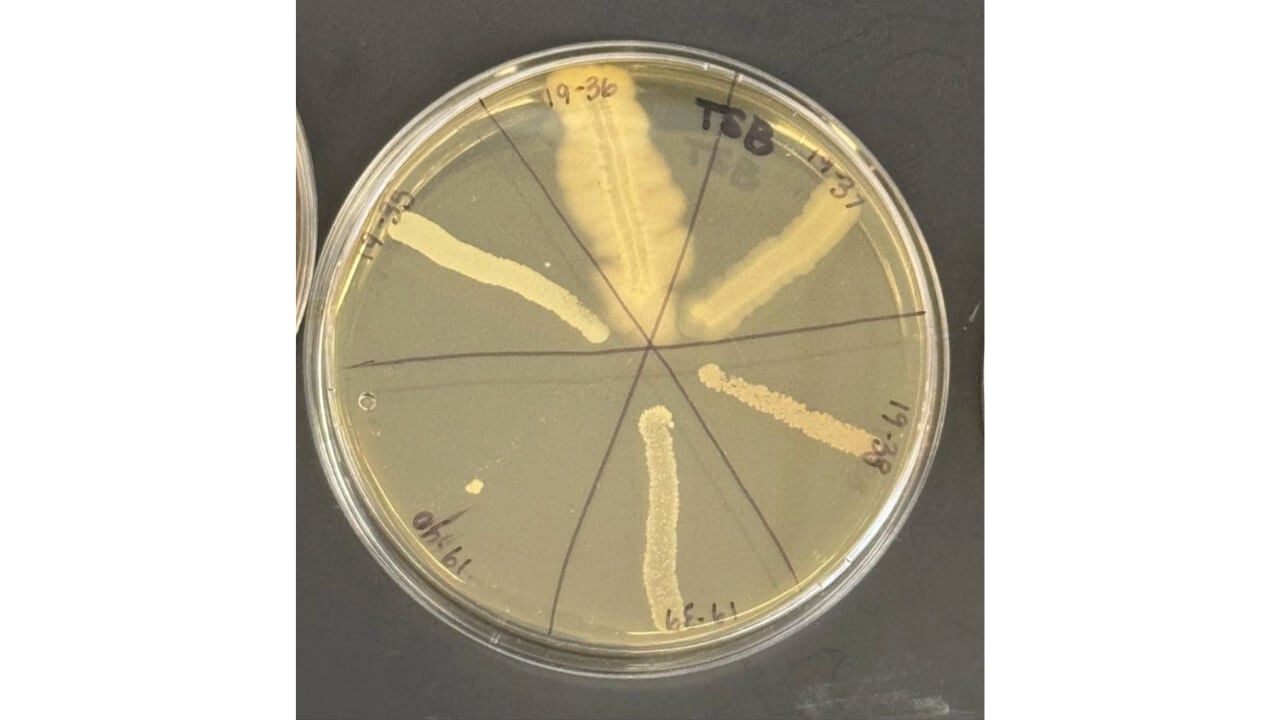
Figure 1. Growth on TSA. Example original growth of unknowns on TSA. Later identified as Staphylococcus epidermidis (35, 38), Bacillus subtilis (36), Photobacterium (37), Enterococcus faecium (39)

Biomedical Sciences

Biomedical Sciences
Sophia Vigorito ’26, MHS ’28 completed this project as part of BMS 482: Independent Study in Microbiology.
Between 2017 and 2019, students at Quinnipiac University collected unknown microbial samples from various origins of humans and animals. Some origins were previously identified but a subset remained unknown and are now analyzed for further identification. This study aimed to identify these unknown microorganisms using 16S rRNA PCR amplification and sequencing.

BS in Biomedical Sciences / MHS Pathologists’ Assistant (4+2)
School of Health Sciences
Between 2017 and 2019, students at Quinnipiac University collected unknown microbial samples from various origins of humans and animals. Some origins were previously identified but a subset remained unknown and are now analyzed for further identification. Culture-based methods, 16S rRNA PCR amplification, sequencing, and BLAST analysis were practiced to determine their species and genus. Of the 41 original stock cultures, 31
(75.6%) demonstrated growth on Tryptic Soy Agar (TSA). Secondary culturing on Blood Agar Plates (BAP) successfully recovered 18/21 (85.7%) isolates. PCR amplification of the 16S rRNA gene was performed on 31 isolates grown from TSA, and 27 displayed visible bands which were sent for sequencing. Sequencing and SnapGene analysis resulted in the successful identification of 23 unknown microorganisms. These identifications aligned with the provided origin of the stock, confirming the validity of this study.
Microorganisms inhabit a wide range of animal and human environments, contributing to physiological processes as well as pathogenic diseases. Accurate identification is crucial to distinguish normal flora from infectious organisms.
As part of the pathogenic Microbiology Laboratory at Quinnipiac University between 2017 and 2019 students collected microbial samples from animal and human anatomical sites for the purpose of identifying unknowns. While some isolates were previously identified, a subset of them remained unknown.
This study aimed to identify these unknown microorganisms using 16S rRNA PCR amplification and sequencing. The bacterial 16S rRNA is commonly used to identify bacteria because it contains conserved and variable regions that allow for differentiation. Challenges are sometimes faced when deciphering different strains since they share a high percent sequence similarity (Janda and Abbott 2007). PCR amplification and sequencing are important techniques that can improve diagnostic microbiology methods, and support clinical treatment decisions.
Culture: Unknown microbial samples were inoculated on Tryptic Soy Agar (TSA)
Molecular Analysis: Bacterial lysis extracted genomic DNA, PCR amplification targeted the bacterial 16S rRNA using 27F and 1492R primers
Sequencing: Successful PCR band products were sent for sequencing, and chromatograms were analyzed using SnapGene and identified with BLAST
Replating: Selected samples were replated on blood agar plates (BAP)
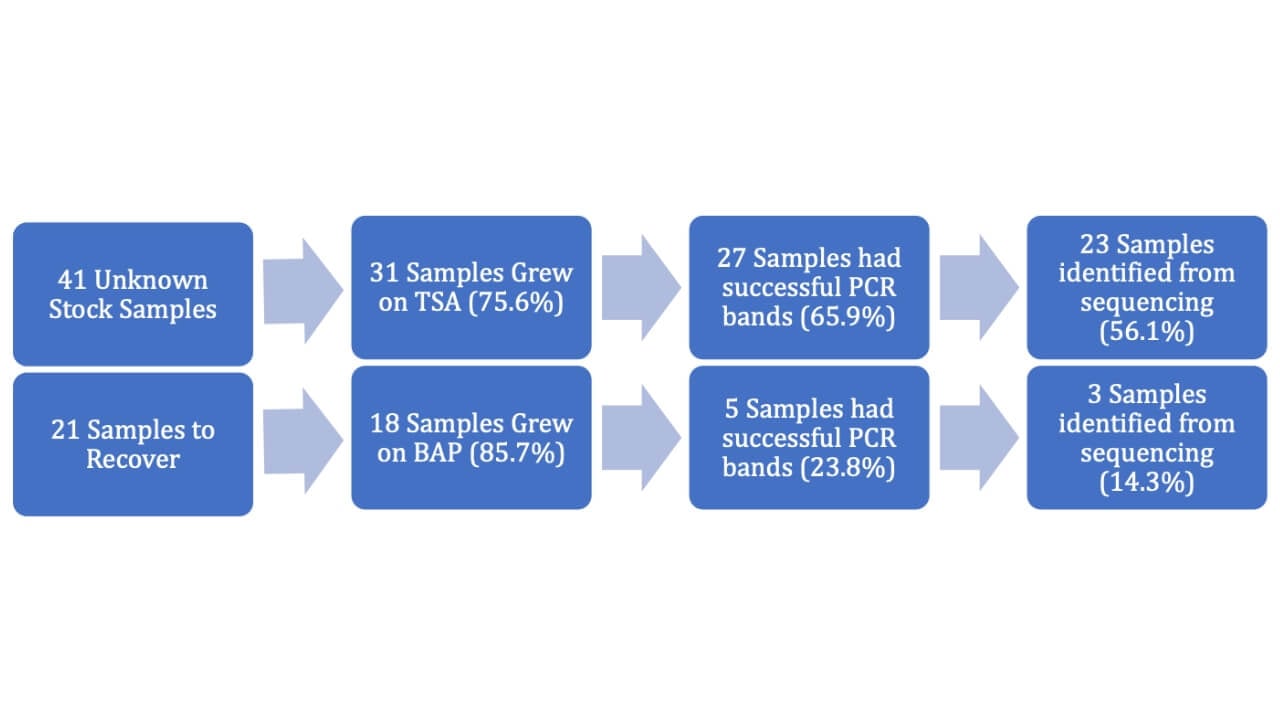
Figure 1. Growth on TSA. Example original growth of unknowns on TSA. Later identified as Staphylococcus epidermidis (35, 38), Bacillus subtilis (36), Photobacterium (37), Enterococcus faecium (39)
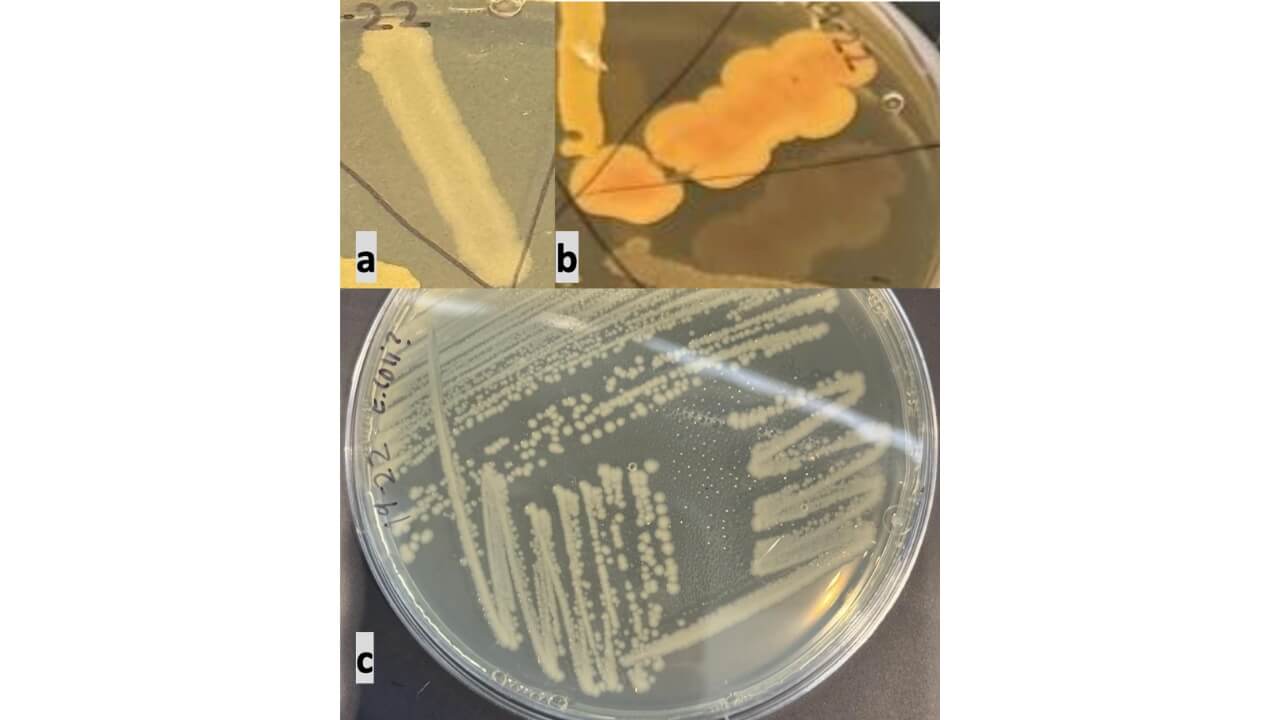
Figure 2. Culture 22 on TSA. (a) Original growth taken February 3. (b) Additional growth and morphology changes were observed over time during refrigerated storage (March 19). (c) Sample 22 streaked for isolation.
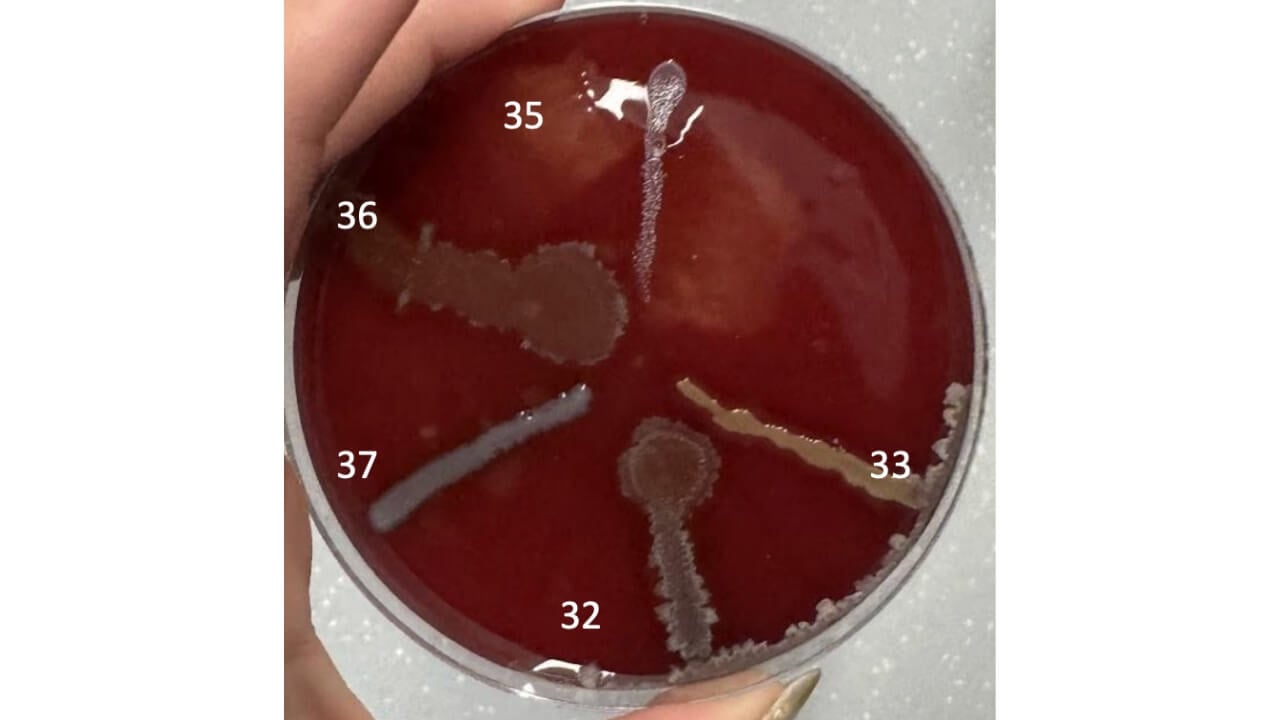
Figure 3. Growth on BAP. Microorganisms replated growth on BAP. Identified organisms include Bacillus subtilis (32, 36), Staphylococcus aureus (33), Staphylococcus epidermidis (35), Photobacterium (37)
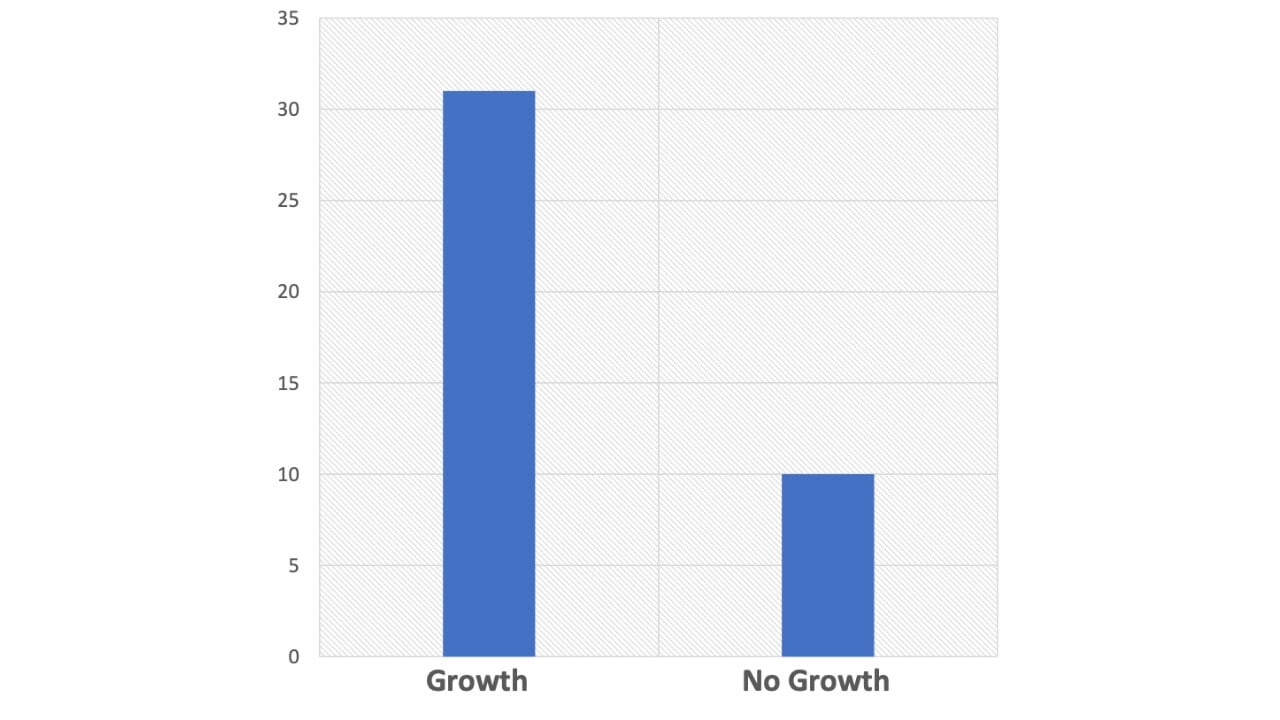
Figure 4. 41 unknown microbial cultures were plated from stock. 31/41 (75.6%) grew on TSA, 10/41 (24.4%) showed no growth.
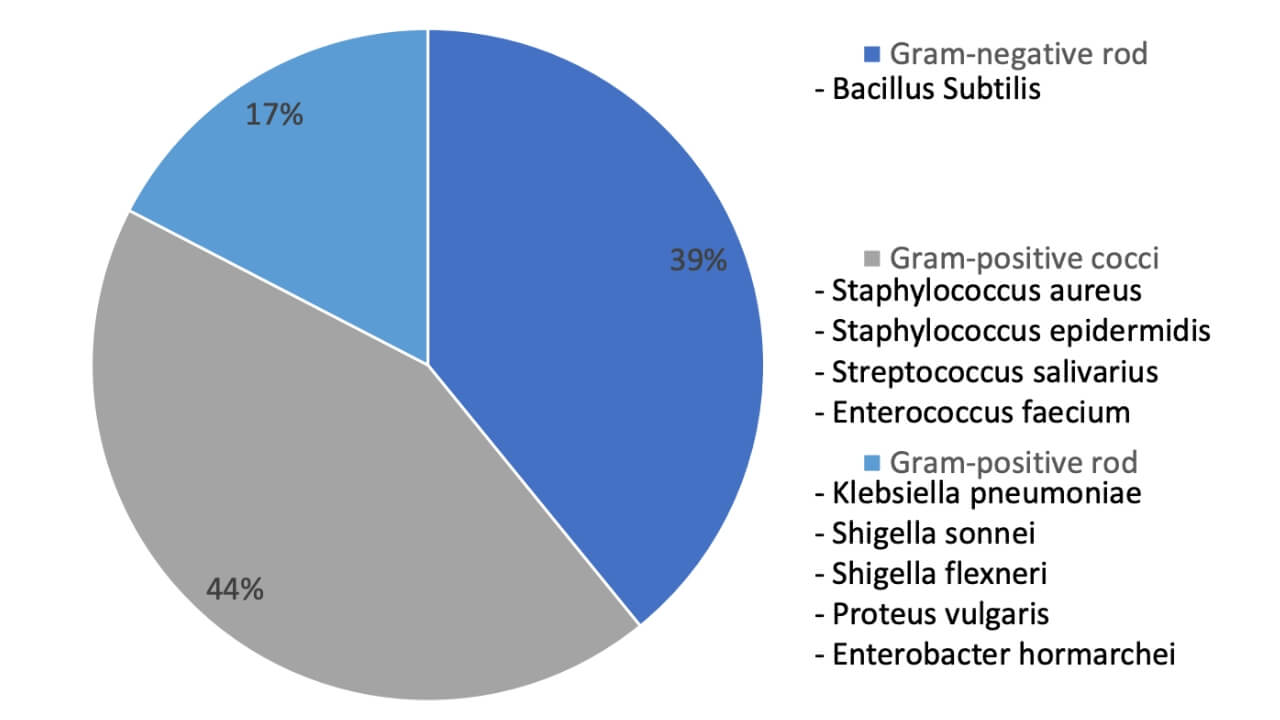
Figure 5. Identification of bacterial unknown. Microbial organisms were identified, through sequencing and SnapGene analysis. 23 organisms had identification results from sequencing. 9 gram-negative rods, 10 gram-positive cocci, and 4 gram-positive rods were identified.
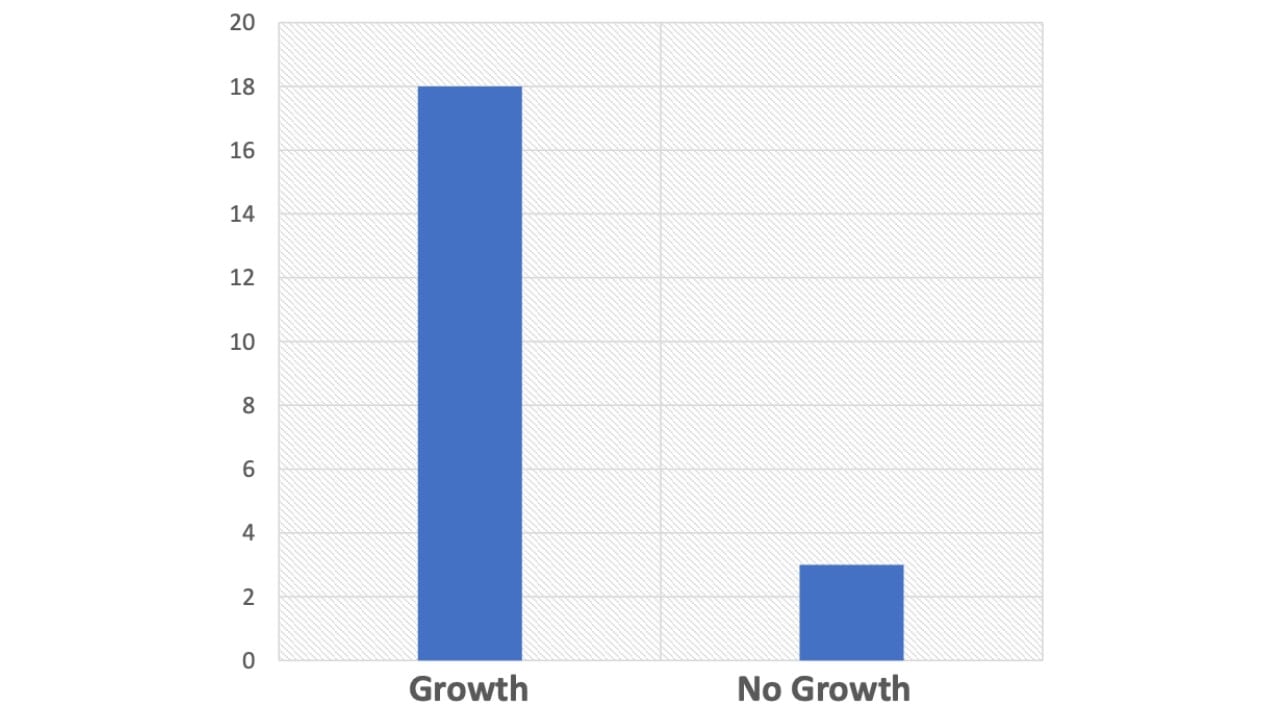
Figure 6. Replated growth BAP. The secondary culture on blood agar aimed to recover unknown microbial organisms that did not grow on TSA and those that were affected by Proteus overgrowth. 18/21 (85.7%) showed successful growth on blood.
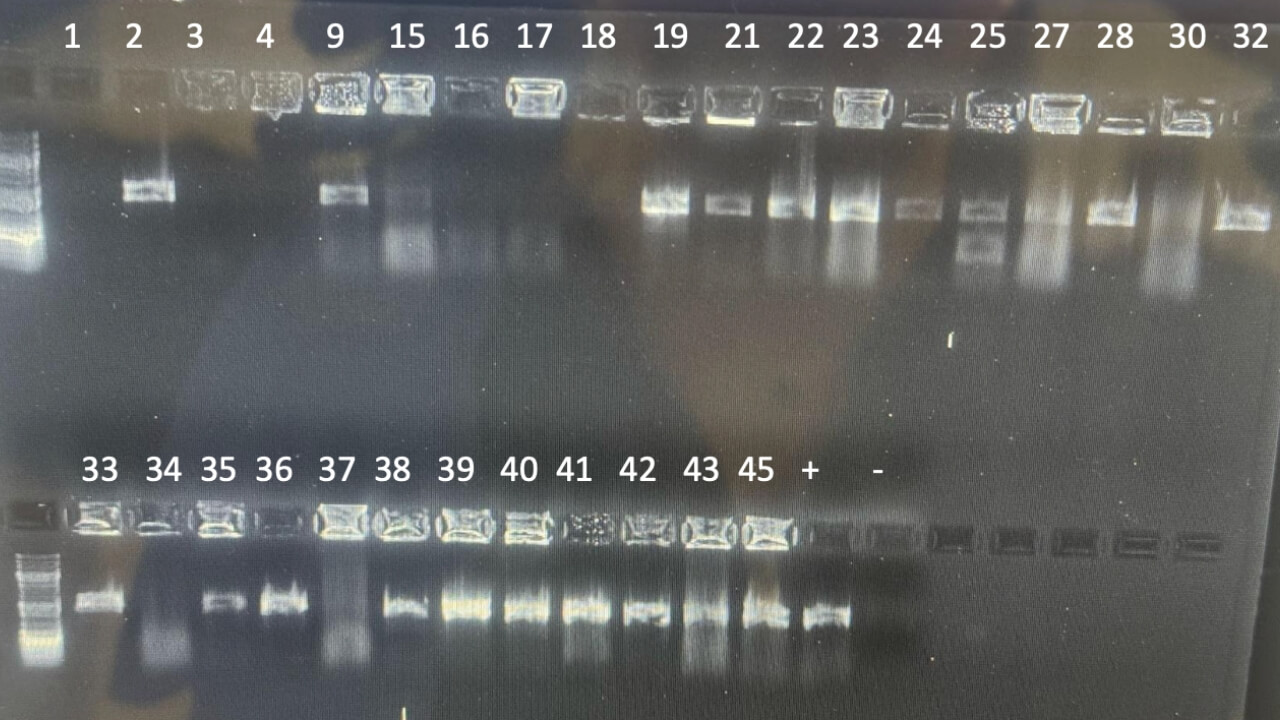
Figure 7. PCR amplification on gel electrophoresis. DNA samples were amplified using PCR targeting the bacterial 16S rRNA gene. 31 samples were amplified and 27 displayed a visual band on agarose gel (87.1%). 4/31 (12.9%) showed no amplification. Positive and negative controls were included
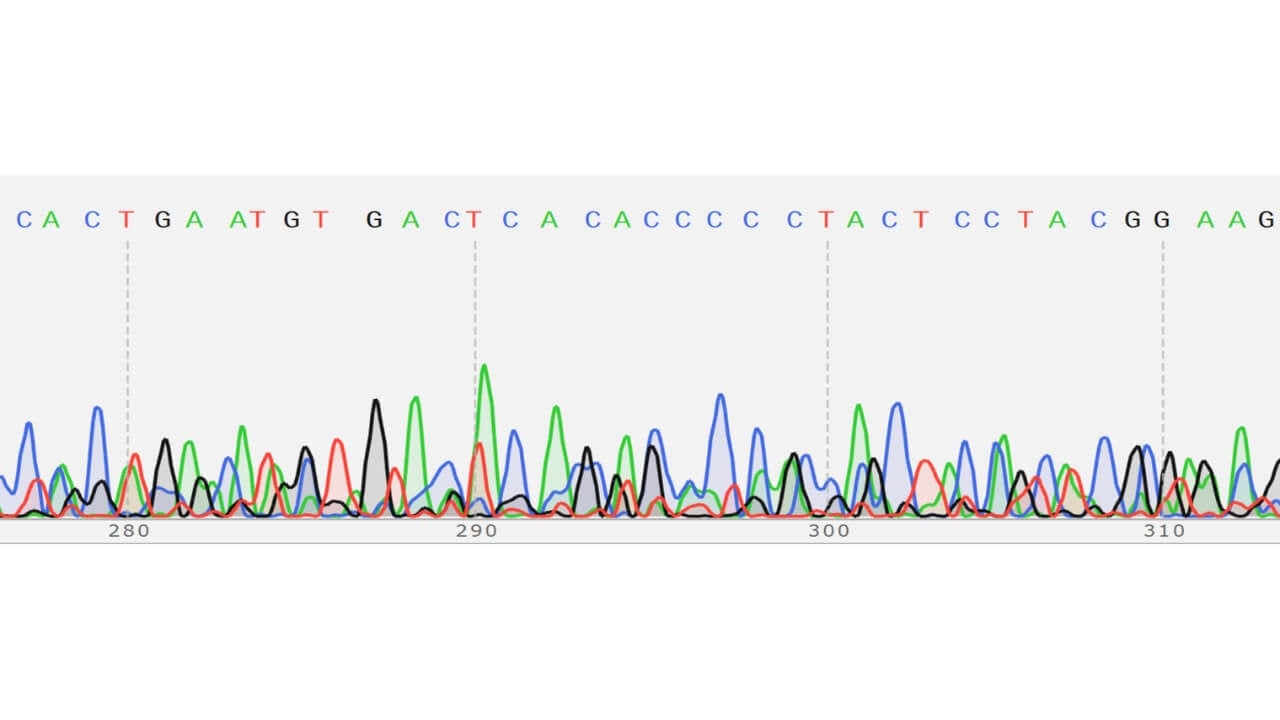
Figure 8. Sample 16 Chromatogram. Unknown 16 sequencing analysis through SnapGene. BLAST did not result in identification.
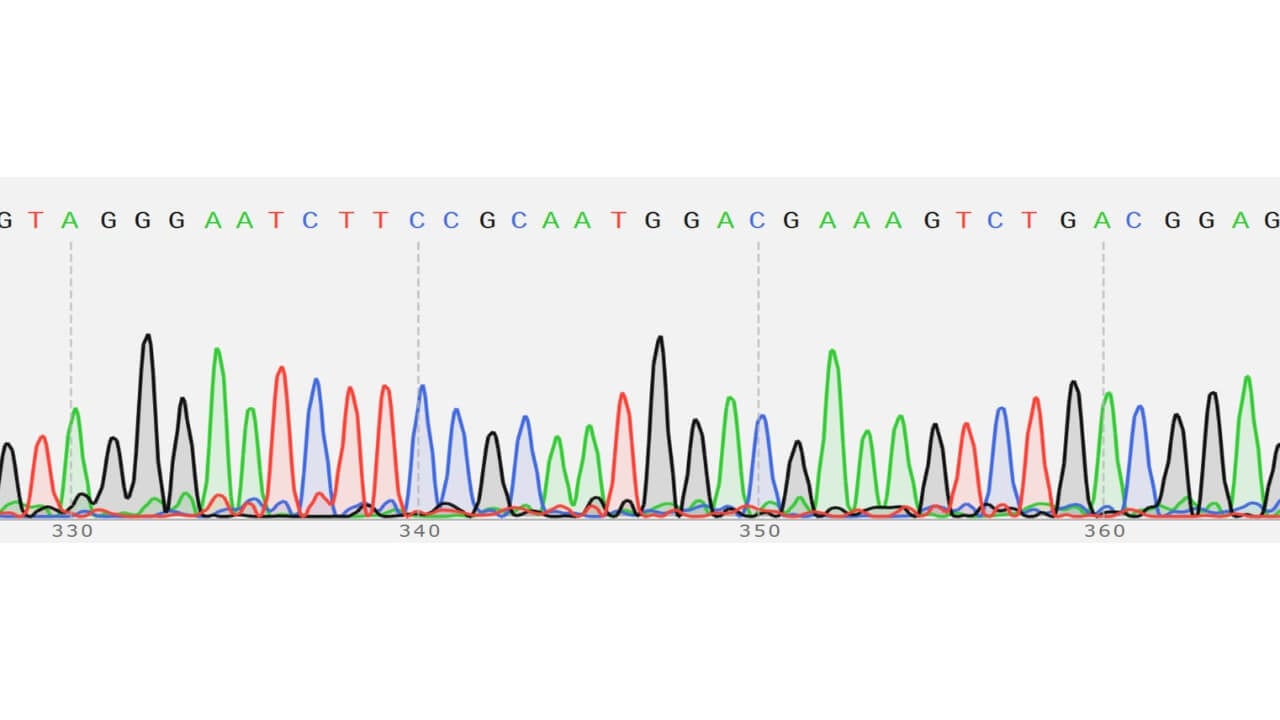
Figure 9. Sample 24 Chromatogram. Unknown 24 sequencing analysis through SnapGene. Resulted in identification being Bacillus subtilis with a 99.88% identity and 1543 max score through BLAST.
Of the original 41 stock cultures, 23 were successfully identified using 16S rRNA PCR amplification and sequencing. There was a decrease in the successes as the study progressed, including initial growth, PCR amplification, and sequencing, which may be due to fastidious growth requirements.
Proteus species are known to have swarming motility which contaminated adjacent colonies, so these organisms were replated on Blood Agar Plates (BAP). Although BAP recovered 18/21 organisms, only 5/20 unknowns yielded successful PCR, possibly due to poor DNA extraction or components in the blood agar that could inhibit PCR. Organisms with poor results from sequencing could be due to mixed cultures, poor DNA quality, or nonspecific primer binding, producing a messy chromatogram. Samples 22, 23, and 27 produced ambiguous identifications between Shigella spp. and Escherichia spp. due to high sequence similarity within conserved regions of Enterobacterales. To confirm this unknown species, a motility test can differentiate because Escherichia are motile. Since Shigella species are uncommon in stool unless infection is present, these isolates may likely more represent Escherichia species (Hale and Keusch 1996).
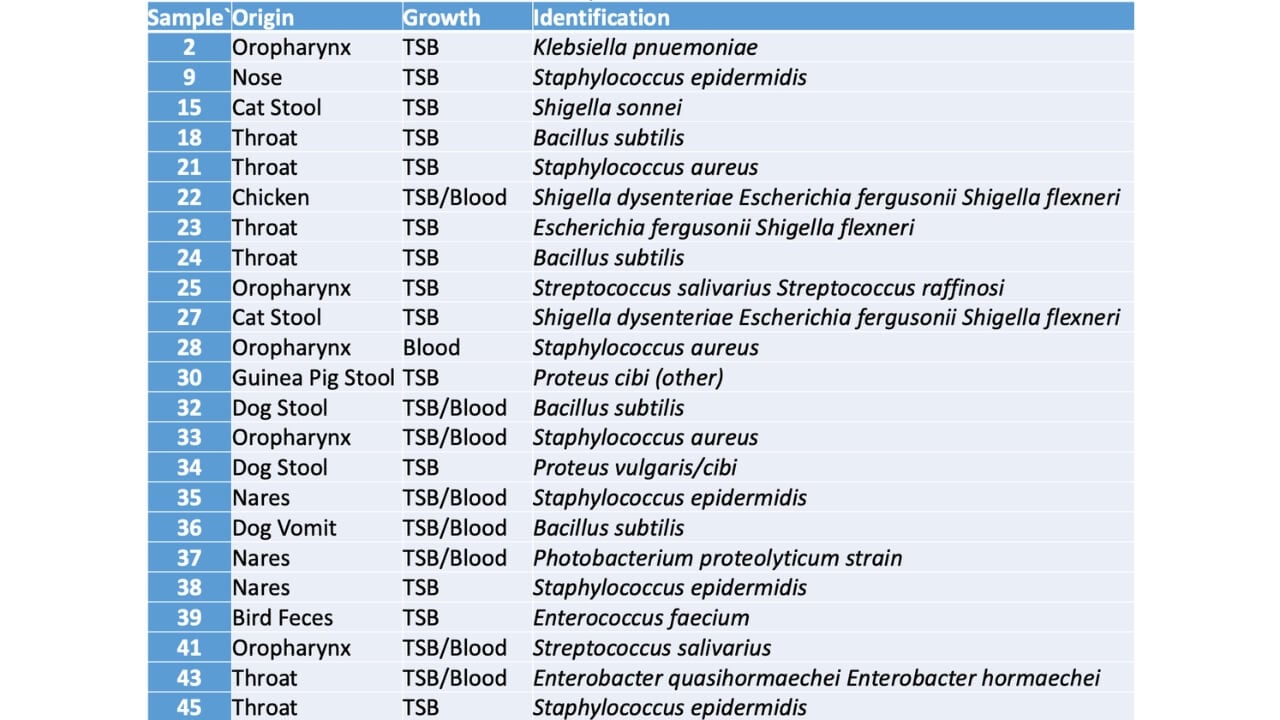
Overall, the identifications align with the sample origin, for example, Staphylococcus aureus is a common inhabitant of the oropharynx, and Enterococcus and Proteus are commonly associated with the gastrointestinal normal flora (Davis 1996).
Table 1. Identifications of unknown samples
This study successfully identified unknown microbial samples from stock using 16S rRNA PCR and sequencing. While the methods practiced were effective, there were some challenges in microbial growth that can be improved with further testing and sequencing. Future work should focus on creating optimal culture and PCR conditions to improve identification. Most of the original stock samples are now confirmed.
Hale TL, Keusch GT. Shigella. In: Baron S, editor. Medical Microbiology. 4th edition. Galveston (TX): University of Texas Medical Branch at Galveston; 1996. Chapter 22. Available from: https://www.ncbi.nlm.nih.gov/books/NBK8038/
Janda JM, Abbott SL. 2007. 16S rRNA Gene Sequencing for Bacterial Identification in the Diagnostic Laboratory: Pluses, Perils, and Pitfalls. J Clin Microbiol 45:. https://doi.org/10.1128/jcm.01228-07
Davis CP. Normal Flora. In: Baron S, editor. Medical Microbiology. 4th edition. Galveston (TX): University of Texas Medical Branch at Galveston; 1996. Chapter 6. Available from: https://www.ncbi.nlm.nih.gov/books/NBK7617/
"This project prepared me for a Pathologist Assistant career by strengthening my skills in specimen handling, laboratory workflow, and diagnostic processing. Through culture-based methods, PCR amplification, and 16S rRNA sequencing, I gained experience with both traditional and molecular techniques used in clinical diagnostics. Analysis of sequencing data using BLAST further developed my ability to interpret laboratory results accurately, which is essential for supporting pathologists in diagnosis." - Sophia Vigorito ’26, MHS ’28
This serves as an overview of the project and does not include the complete work. To further discuss this project, please email Christian Eggers.
BMS 482: Independent Study in Microbiology consists of microbiology content not offered by another QU catalog course. It must involve contact hours and scholarly activities equivalent to any regularly offered course. This course often includes review of the scientific literature in the field of the research project and creating a "product," such as a term essay, a series of short papers, laboratory or project reports, a portfolio or presentation at a scientific meeting
We've sorted each of our undergraduate, graduate and doctoral programs into unique Areas of Interest. Explore these categories to discover which programs and delivery methods best align with your educational and career goals.
Physical/Life Sciences at Quinnipiac