Overview
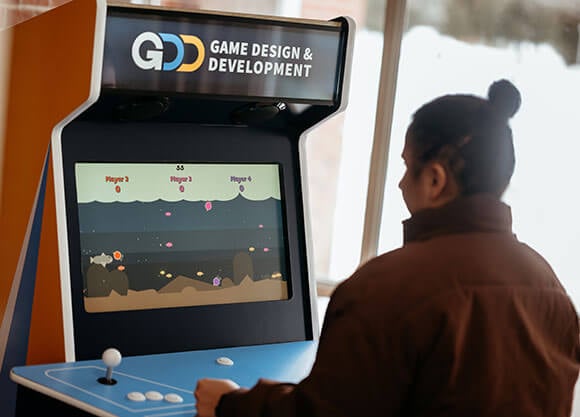
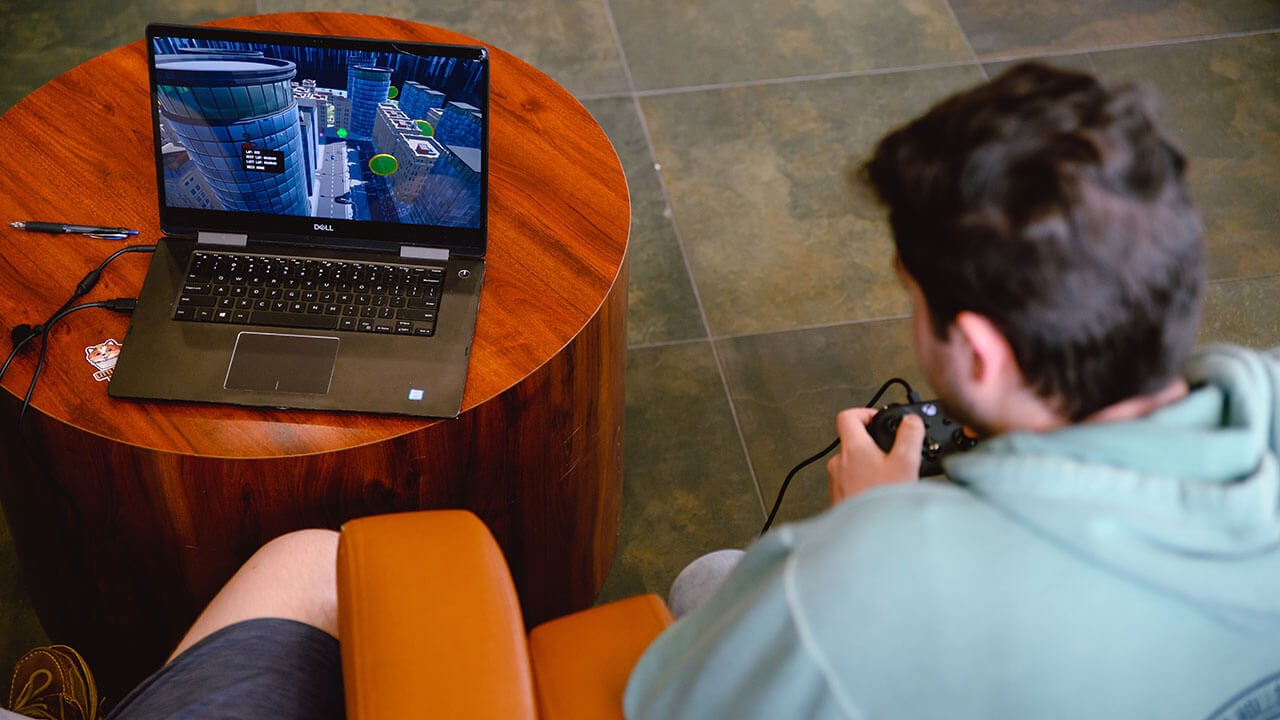
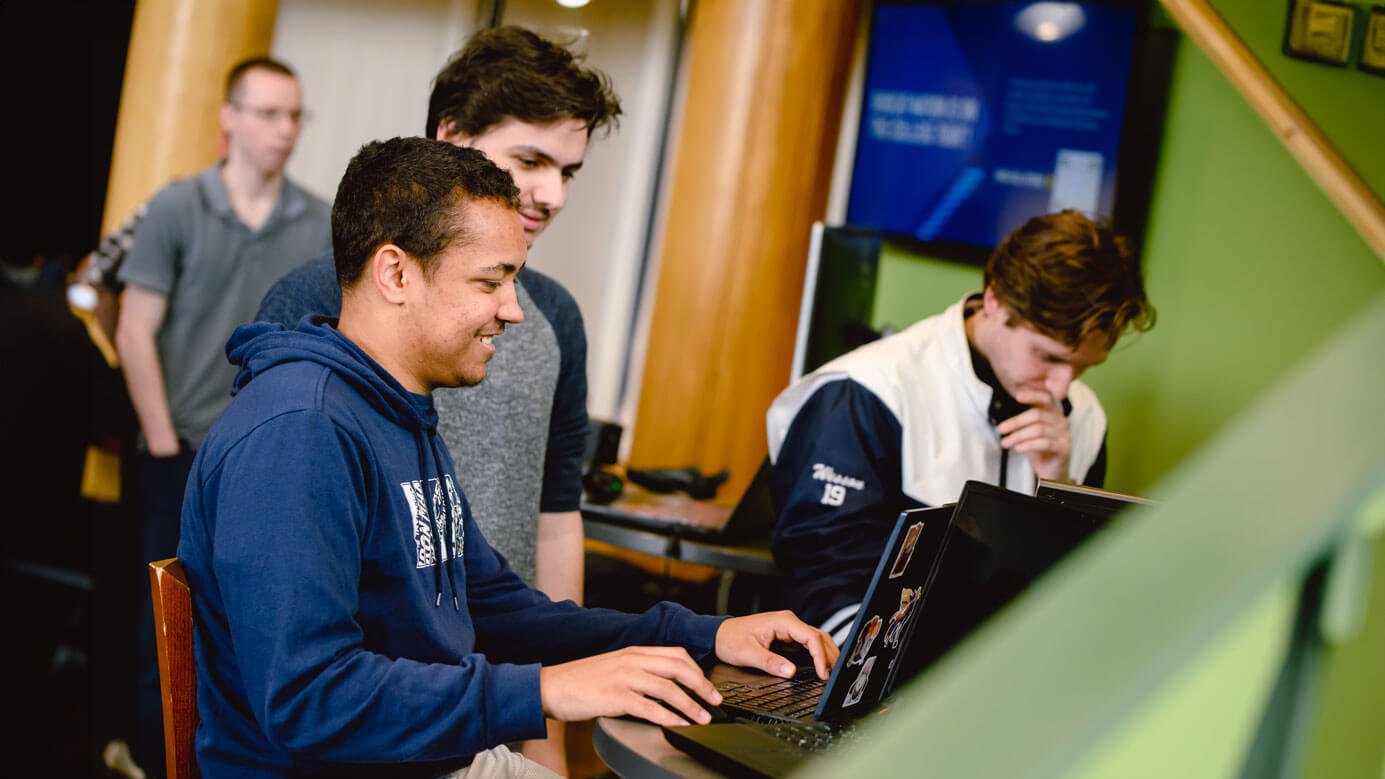
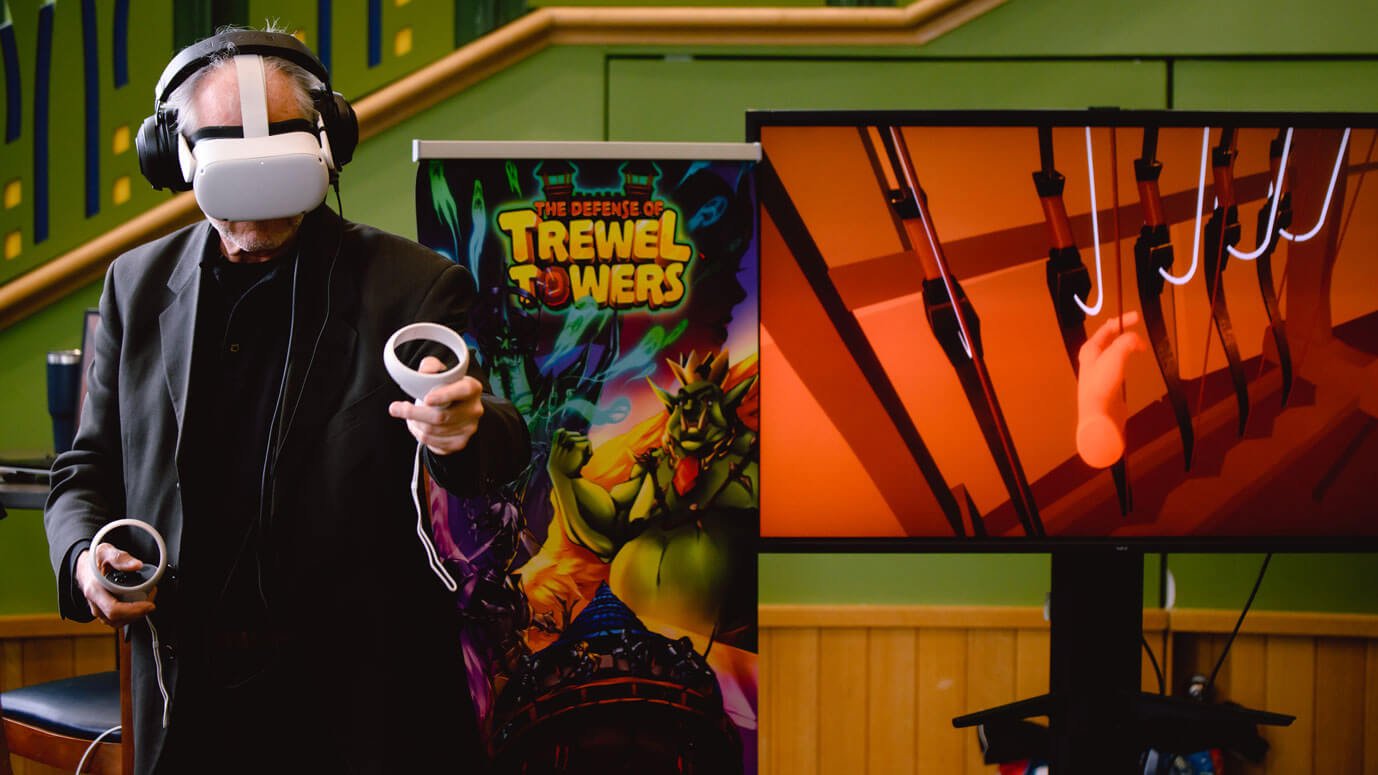
Participants will practice visual coding skills using the Unreal Engine Blueprints system, learn the basics of game design and explore how to integrate art and audio assets into their work. They will learn how to work on teams and the process of iterative testing modelled in the game industry.
The program will be led by professor Tyler Gorman, an award-winning director and Unreal game designer. Classes will be held in our new gaming lab in the SITE building. Outstanding projects could potentially be published to the Google and IOS app stores.
At the end of this program, you’ll walk away with:
-
An understanding of the online gaming industry and potential career paths to inspire your personal, academic and professional aspirations within game design
-
Hands-on experience with the game design process from brainstorming to design to development to testing
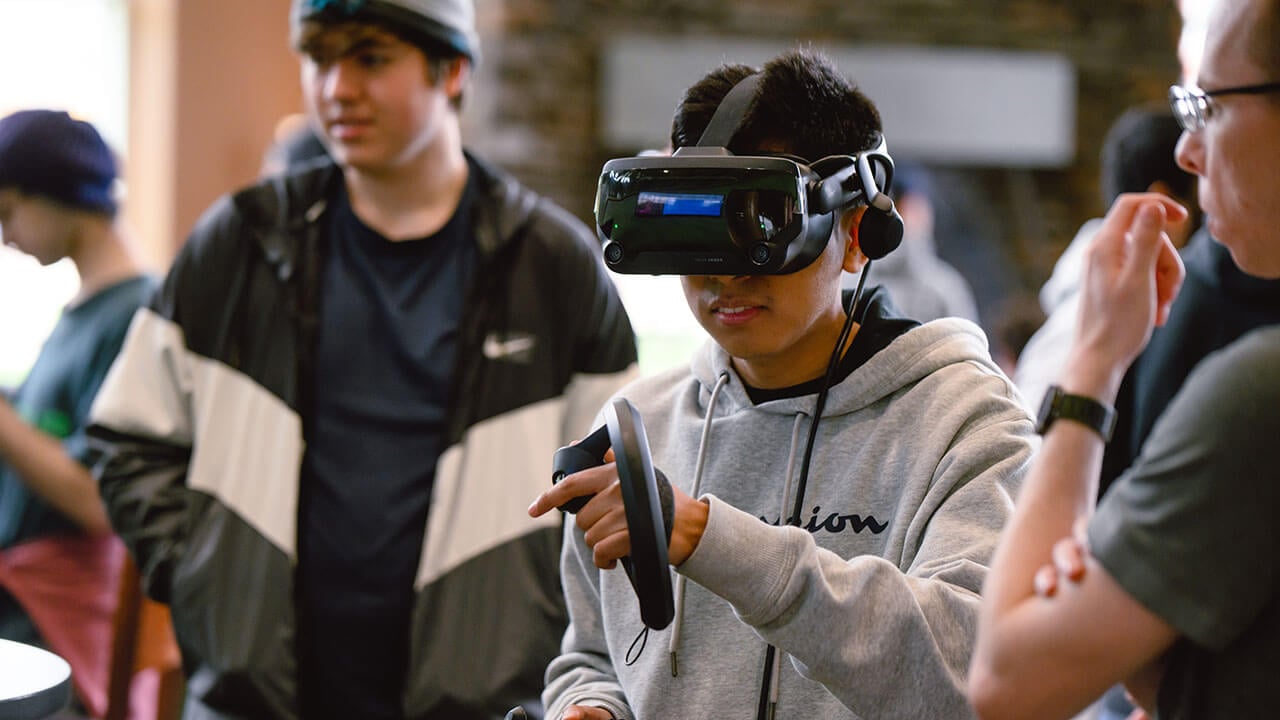
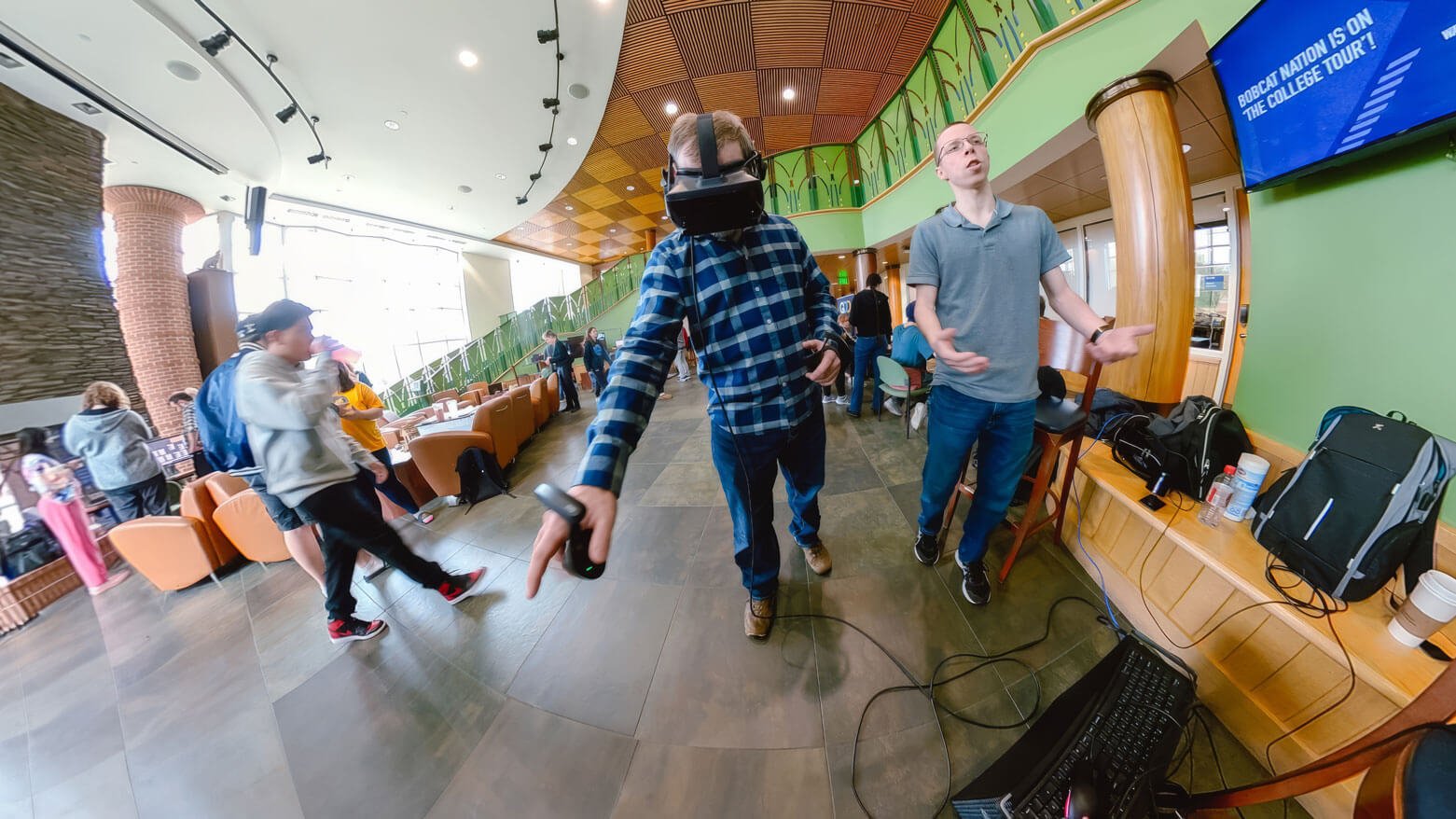
Game Design and Development Showcase
Our annual showcase and competition celebrates the work that our students have poured into developing their games throughout the year.
Program Dates and Schedule
July 6, 2026 - July 17, 2026
Sample Daily Schedule: This is only a sample schedule and is subject to change due to a variety of factors.
| Week 1 - Building the Foundation |
Theme |
Activities |
| Monday |
Introduction to Unreal Engine and Basic Navigation |
Get hands-on with Unreal Engine! Learn how to navigate the interface, manage assets and set up your first project. |
| Tuesday |
Blocking Levels & Level Design |
Discover the art of shaping gameplay through environment layout. Create your first blocked-out level to establish scale and flow. |
| Wednesday |
Exploring Materials and Textures |
Add color, realism and mood to your environments as you experiment with materials and surface textures. |
| Thursday |
Unveiling the Power of Nanite / Level Design Workshop |
Learn how Nanite revolutionizes rendering — then apply it in a guided level design workshop to boost detail and performance. |
| Friday |
Blueprint Basics and Interactive Game Elements |
Bring your world to life using Unreal’s Blueprint system. Create simple interactions, triggers and mechanics. |
| Week 2 - Lighting, Polish and Presentation |
|
|
| Monday |
Mastering Lighting Techniques |
Explore lighting types, shadows and mood-setting strategies to make your world shine — literally. |
| Tuesday |
Workshop / Catch-Up |
Refine your work with personalized guidance. Revisit past lessons and strengthen your skills where needed. |
| Wednesday |
Workshop / Catch-Up |
Continue perfecting your project with instructor feedback and one-on-one support. |
| Thursday |
Fine-Tuning & Optimization |
Polish your project by improving performance, fixing visuals and finalizing your level’s flow. |
| Friday |
The Final Countdown: Project Showcase |
Share your finished level in a professional showcase! Present your work, receive feedback and celebrate your Unreal Engine journey. |
Weekend Programming and Excursions
In addition to the daily schedule listed above, our two-week programs offer organized trips and excursions during the weekends. Last summer, program attendees spent time in our local community while mini golfing, visiting the Mystic Aquarium and shopping in New Haven.
Field trips and weekend excursions may vary by program and session.
Participation Requirements
Participants must be current high school students. Typically, participants are between the ages of 15 to 18 years of age at the start of the program.
Equipment and Materials
Quinnipiac University will provide all required materials, including laptops, for students within this program. Students are welcome to bring their own laptops or other devices for use outside of instruction periods or with the approval of their instructor.
Program Costs
Option 1: 2-week overnight program from Sunday to Saturday. Includes full room and board as well as evening and weekend activities: $3,700
Option 2: 2-week on-campus commuter program from Monday-Friday, 9 a.m. to 4:30 p.m. Includes lunch daily: $2,700
Both options offer:
-
Two weeks of faculty-designed programs taught on-campus with educational support staff
-
Technology and software support
-
A Quinnipiac T-shirt
-
A digital badge for use on social media, resumes or portfolios
-
Access to special Quinnipiac Admissions events
How to Register for Summer Programs
Students must declare if they plan to attend for either the residential (overnight) experience or the commuter experience at the time of registration. Registration closes on June 1, 2026.
Register and Pay: Residential
Register and Pay: Commuter
Minimum Required Deposits
If you are not paying in full at the time of registration, you must submit a non-refundable $250 deposit to reserve your spot for 30 days. Any student who places the non-refundable deposit must pay the full remaining cost of the program within 30 days from the date of deposit to be enrolled in the program.
Deposit Only: Residential
Deposit Only: Commuter
Payment Methods and Refund/Cancellation Policy
Discounts and Financial Aid
Partial financial support may be available for those who indicate the need for financial assistance in their online application. Financial support awards are based on a combination of financial need and academic merit.
We are pleased to offer a discount on all summer camps and experiences to current Quinnipiac employees, Quinnipiac alumni and employees of our corporate partners. Please contact summerprograms@qu.edu to request your discount code.
Registration Guide
Having trouble registering? Not sure how to take the next step? Follow this step-by-step guide to finish the process or email us at summerprograms@qu.edu.
Frequently Asked Questions
Find the answers to some of the most frequently asked questions among prospective students and families regarding our summer programs. If you can't find an answer to your question, please contact us and we'd be happy to chat.
Review all FAQ's
Accommodations
Quinnipiac University complies with the Americans with Disabilities Act and Section 504 of the Rehabilitation Act as an institution of higher education. Students who have a current IEP or 504 plan are encouraged to share any accommodations or modifications they may require in order to access the fundamentals of a QU summer program or camp they plan to attend.
Students requesting disability-based accommodations should indicate this within the application as well as email summerprograms@qu.edu about any and all specific accommodation needs.
Rules & Regulations
Read Quinnipiac University’s Summer Camp and Pre-College Program Policies