Additional Intertribal Powwow Events
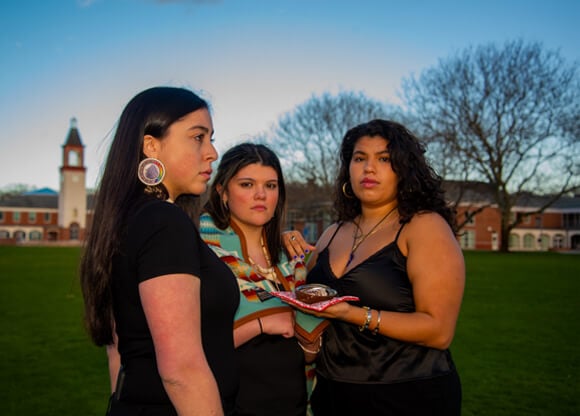
We Ride for Her: A Documentary on the Epidemic of Missing and Murdered Indigenous People
Thursday, April 16, 12:30–1:45 p.m., SB 102 Collaborative Classroom
Join us for a screening of We Ride for Her, a documentary short film highlighting the ongoing crisis of Missing and Murdered Indigenous Women, Girls and Relatives (MMIWGR) in the United States. With more than 5,500 cases and murder as the third leading cause of death for Native women, this urgent issue remains largely underrecognized.
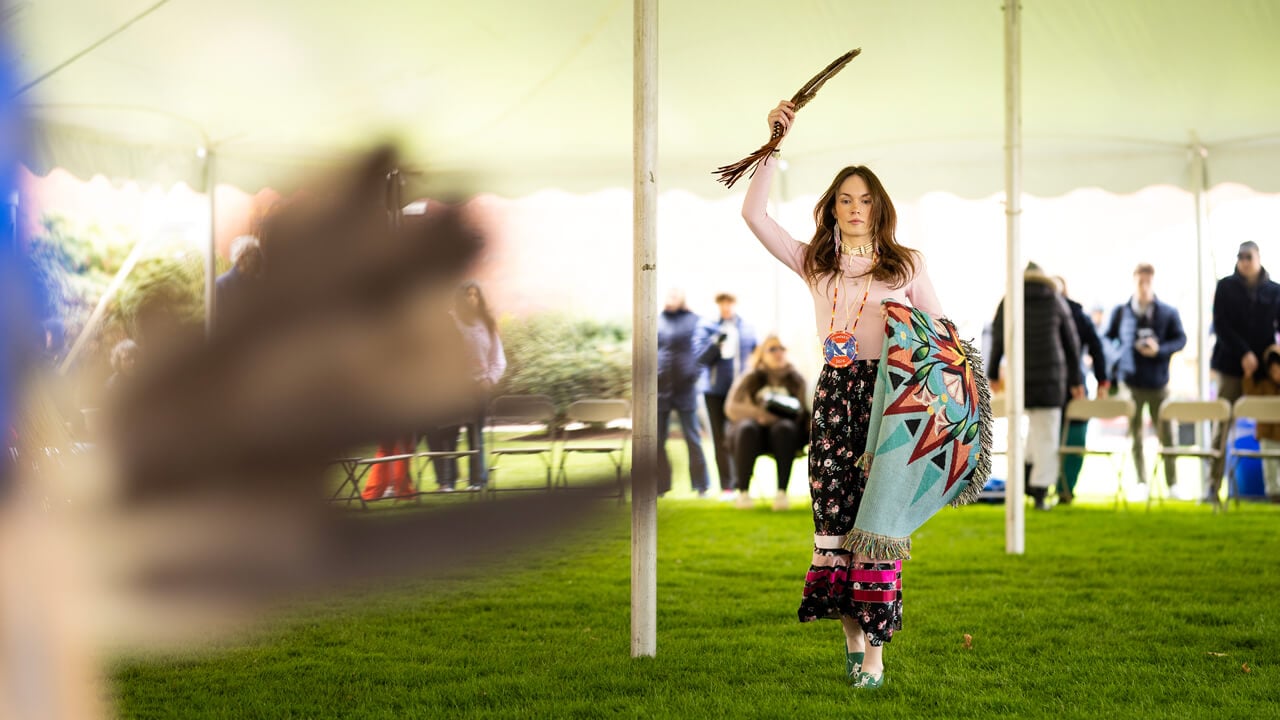
Powwow Dancing with Sunrise Healing Community Inc.
Friday, April 17, 4:30–6 p.m., RWA 203
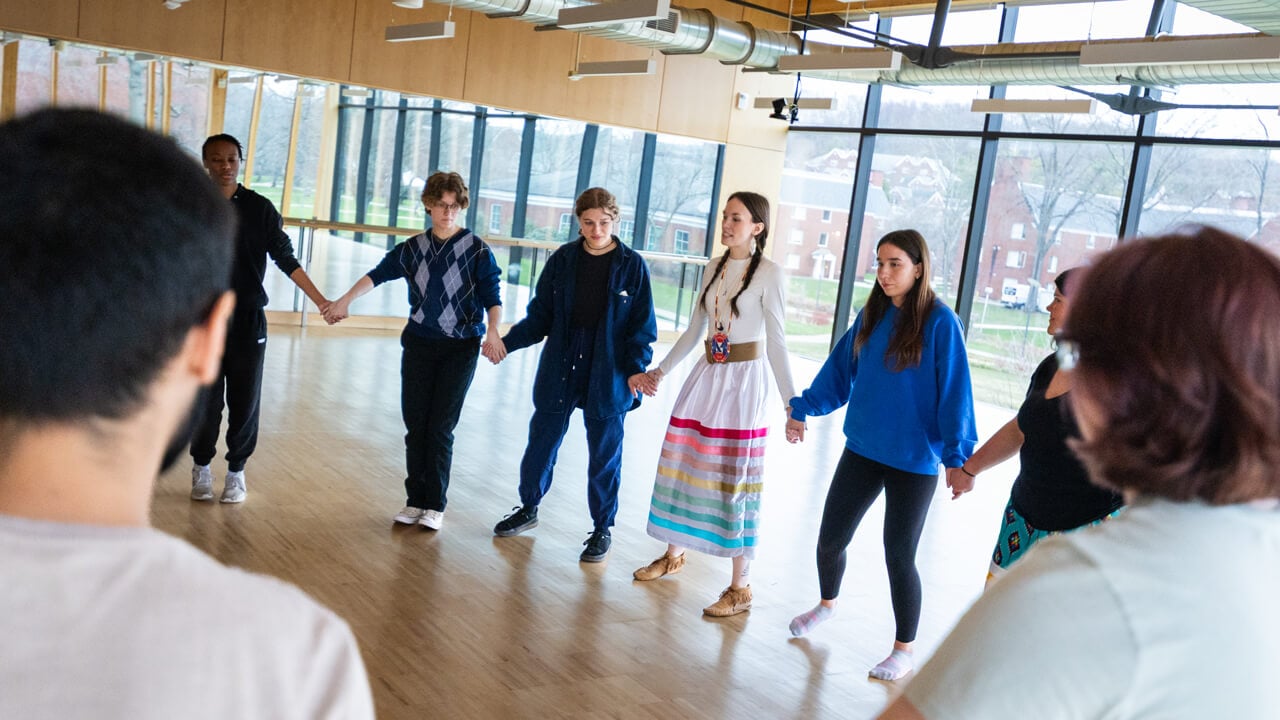
This interactive, educational workshop brings together the arts, cultural awareness and history of Powwow dancing. Snacks and giveaway prizes will also be available. This event is free and open to the public, and registration is not required.
Recap: Quinnipiac’s Inaugural Powwow
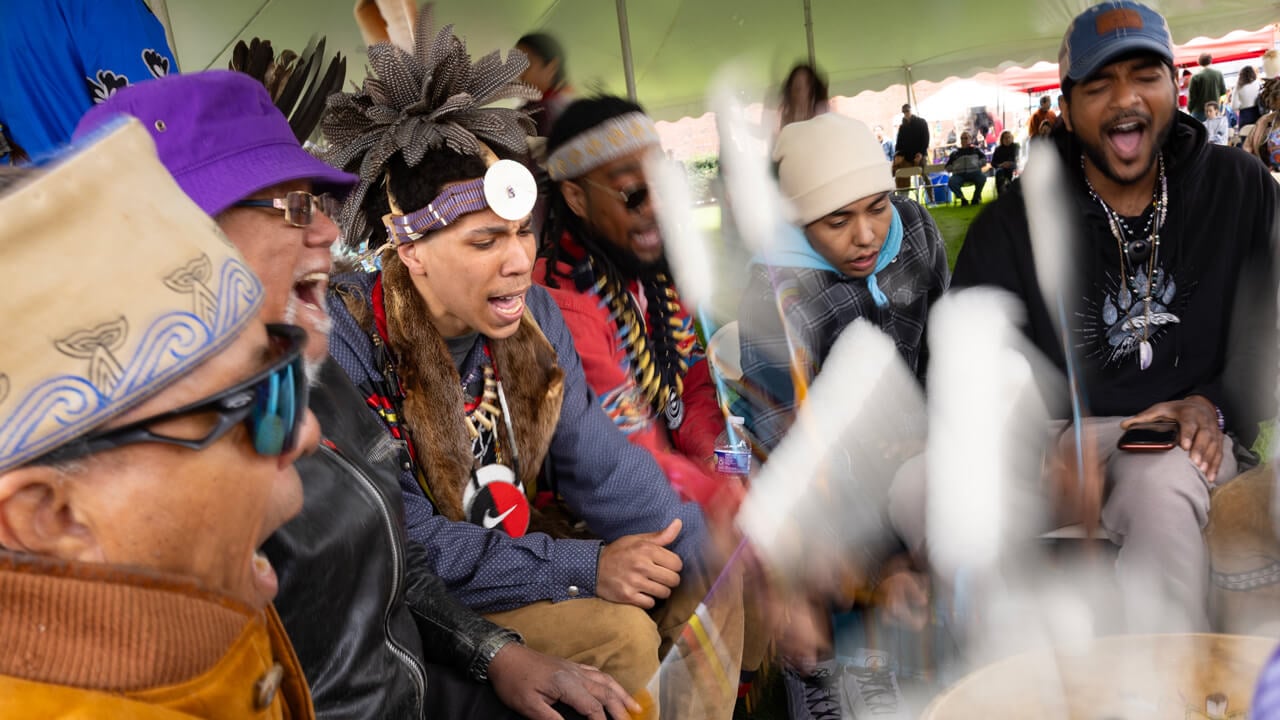
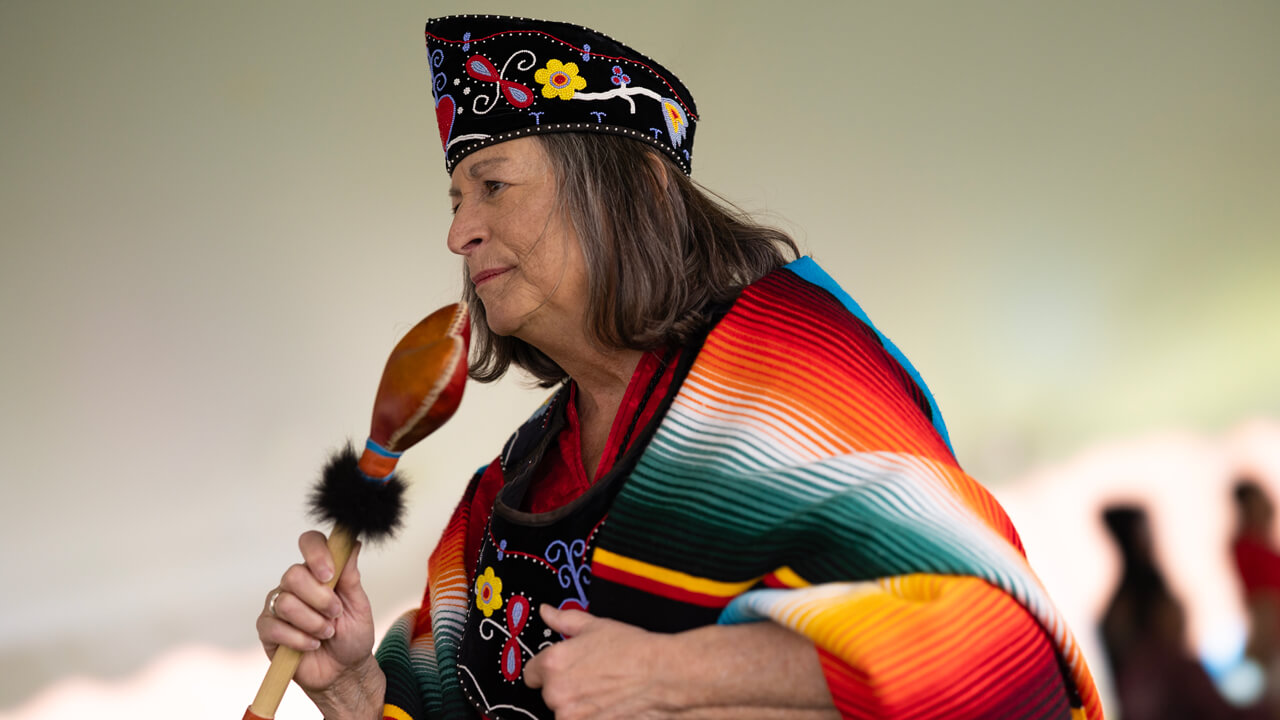
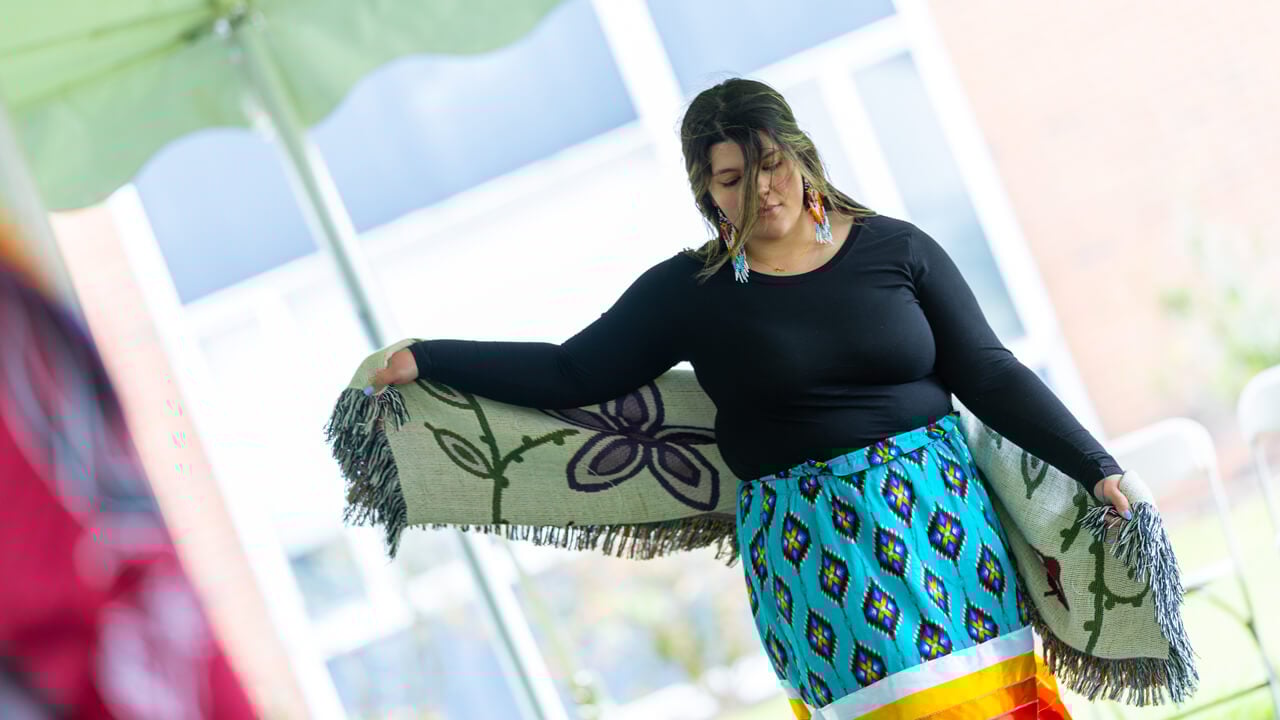
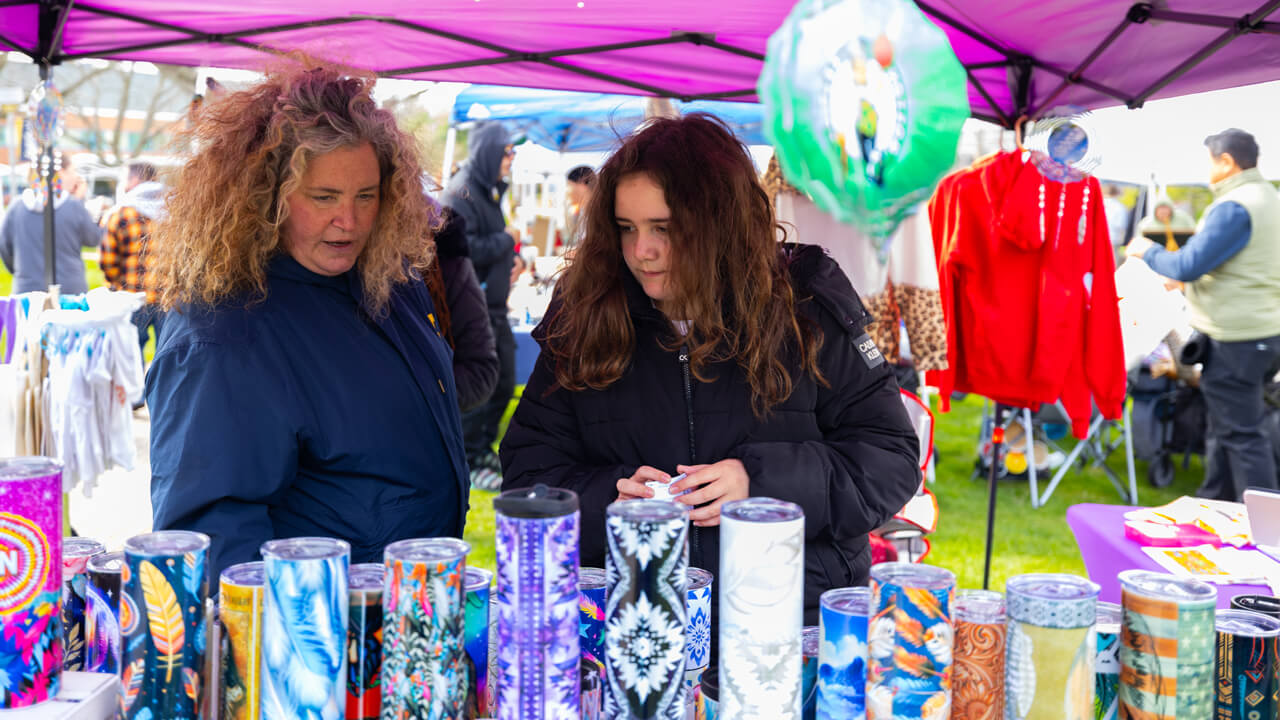
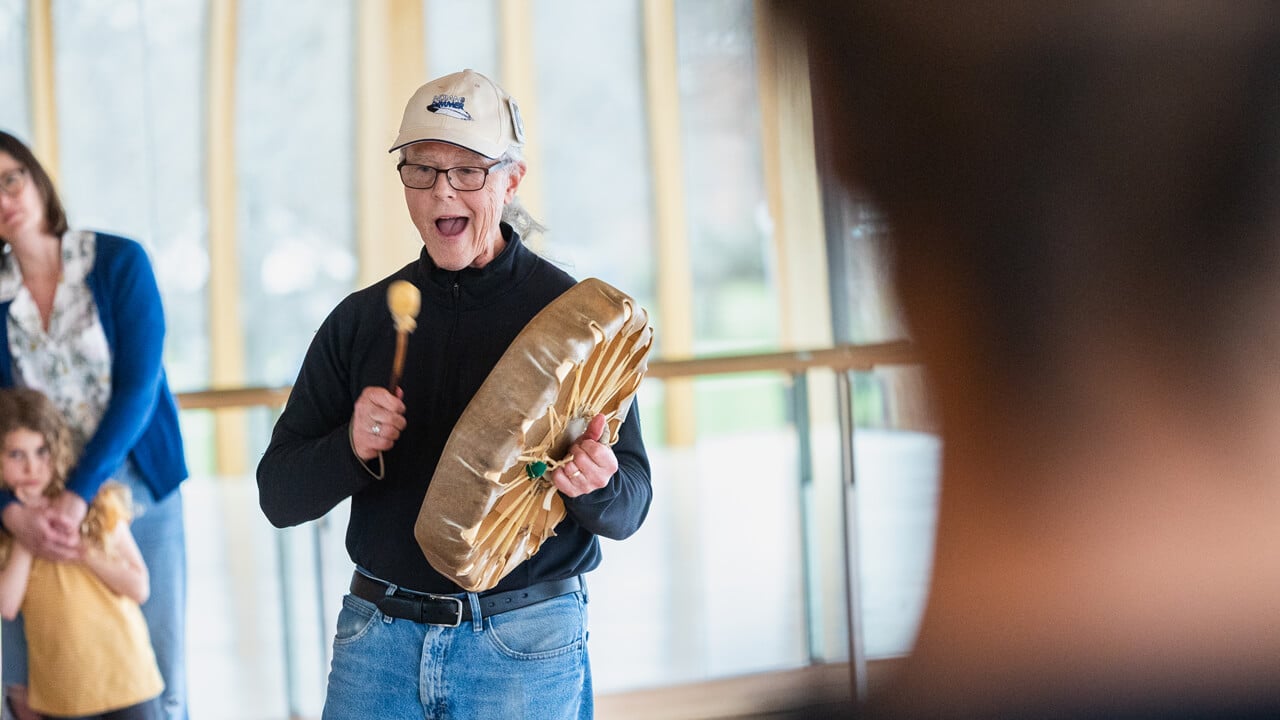
Quinnipiac’s inaugural powwow, “Dancing in the Shadow of Sleeping Giant,” filled the air with the sounds of traditional drumming and song accompanying dancers. It remade the Mount Carmel Quad with a central arena tent surrounded by smaller tents filled with Indigenous artisans and vendors and organizations providing activities and education tables.
The grand entrance which opened the powwow celebrated elders, esteemed guests and dancers entering the arena to the powerful music of three tribal drumming and signing groups. Following a prayer given by Golden Hill Paugussett Tribal Nation Clan Mother Shoran Waupatukuay Piper, Tanta-Quidgeon and Baker welcomed powwow participants and supportive community members from Quinnipiac and surrounding areas.
Read the full event recap
Additional Inaugural Events
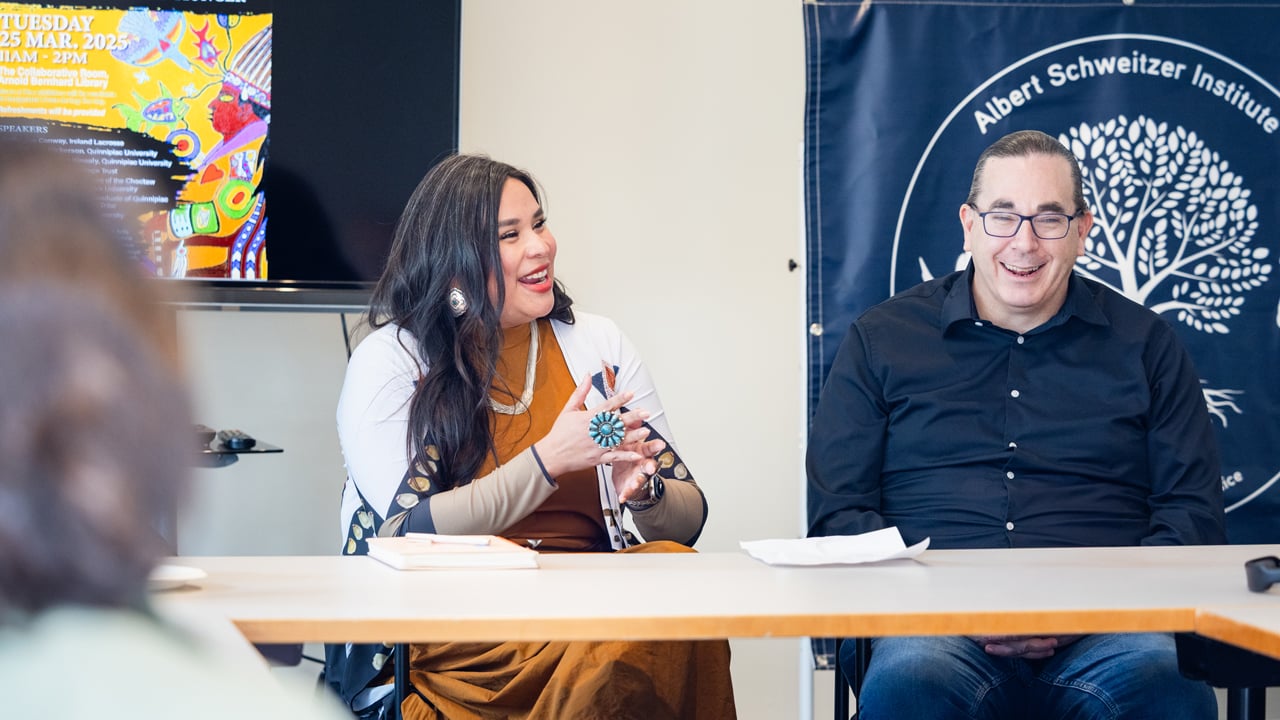
“Indigenous Aid to Ireland During the Great Hunger” Exhibit Opening and Symposium
The exhibition explores the remarkable generosity of the Choctaws and Cherokees, who themselves had endured forced displacement only years earlier, as well as the Anishinaabe, Haudenosaunee and Huron-Wendat Indigenous Peoples in Canada West, whose donations came at a time of increasing settler encroachment and broken treaties. This event offered a rare opportunity to reflect on a profound moment of historical solidarity and generosity between Indigenous communities and the Irish people, ensuring that these acts of kindness continue to be honored and remembered.
The exhibition includes:
-
Original government reports outlining treaty agreements from the 1830s
-
Historic maps of Ireland and the Trail of Tears
-
A sculpture honoring the Choctaw gift
-
Artwork by Philip Cote
-
A Wampum Belt, presented by the Haudenosaunee Nationals (formerly Iroquois Nationals) to Ireland Lacrosse in 2022, symbolizing the ongoing Circle of Giving
“Intertribal Powwow History and Dancing into the Future” Lunch and Learn
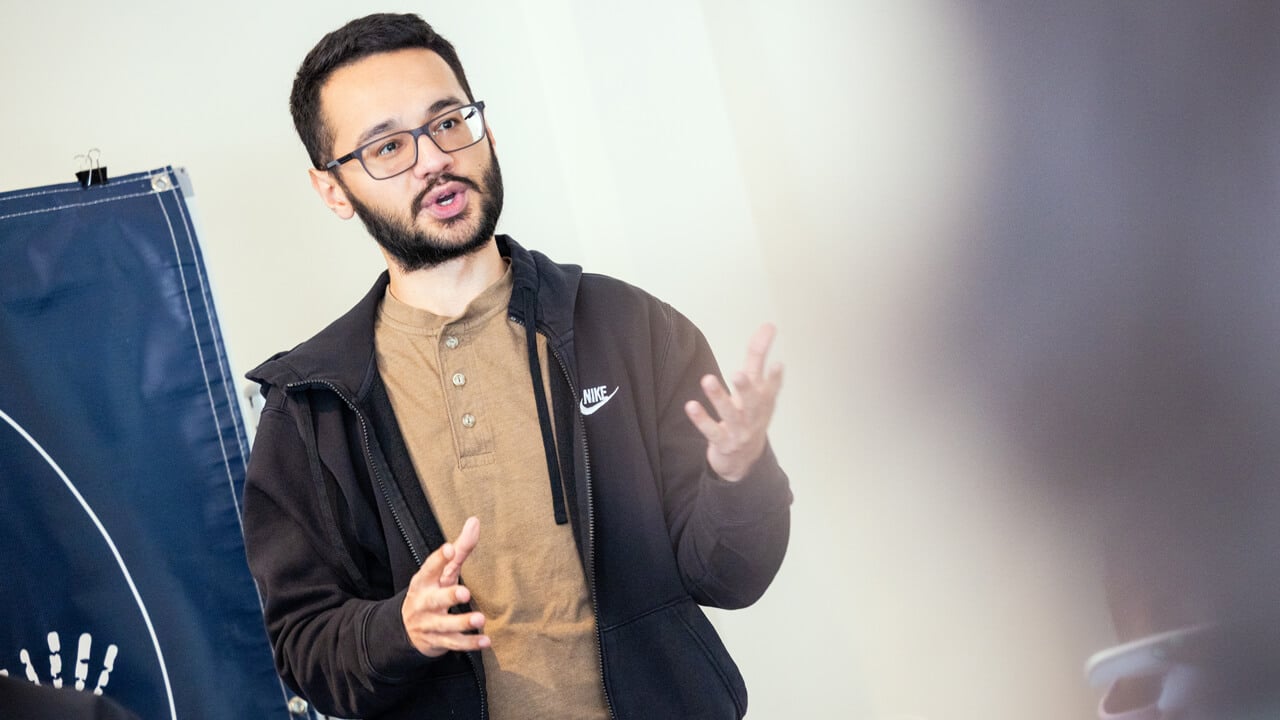
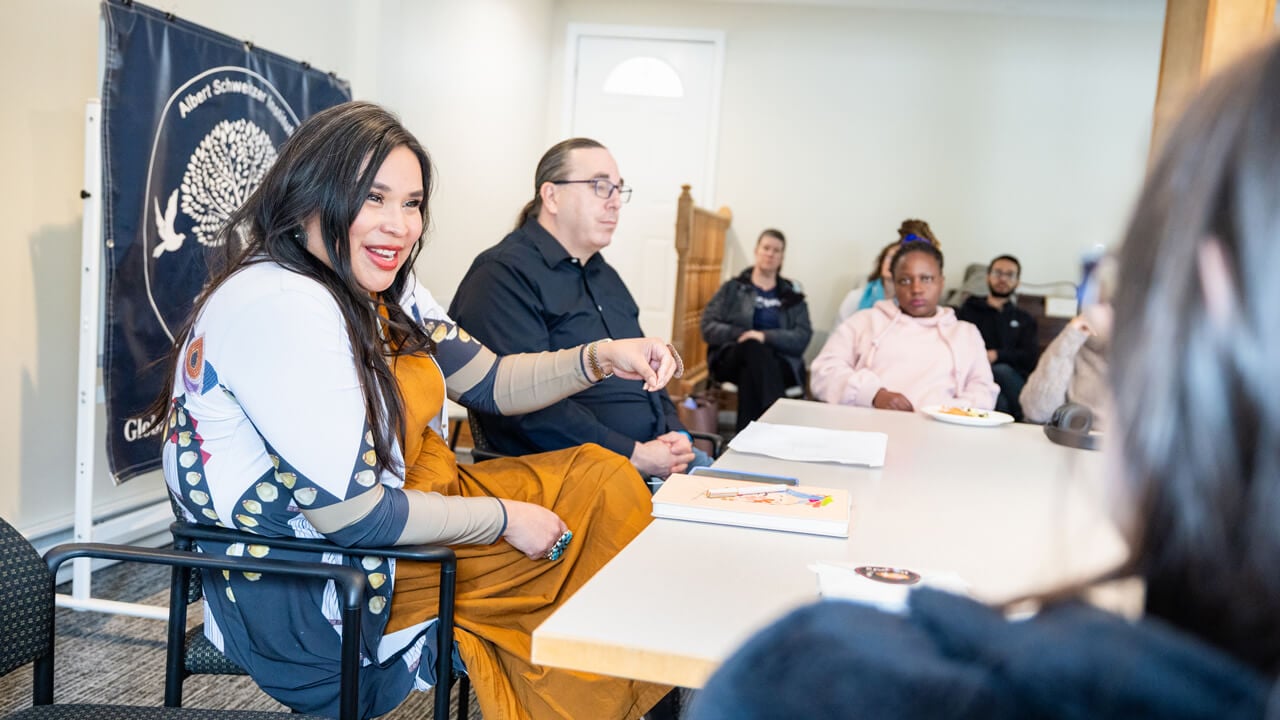
Participants learned about the history of the modern day intertribal powwow and how it showed up in the Northeast. Led by Chris Newell and endawnis Spears from the Akomawt Educational Initiative, this discussion also considered the role of the powwow in the context of the university and its connections to cultural reclamation and sovereignty. This event was free and open to the public.
Akomawt Blanket Exercise
Chris Newell and endawnis Spears from the Akomawt Educational Initiative led participants through the U.S. version of the KAIROS Blanket Exercise. The KAIROS Blanket Exercise program is a unique, interactive and participatory history lesson developed in collaboration with Indigenous Elders, knowledge keepers and educators. The Blanket Exercise covered more than 500 years in a 90-minute experiential workshop that aimed to foster understanding about our shared history as Indigenous and non-Indigenous peoples.
Critical Conversation: “We’re All Part of this Story” with Sarah E. Harris, Vice Chairwoman of the Mohegan Tribe
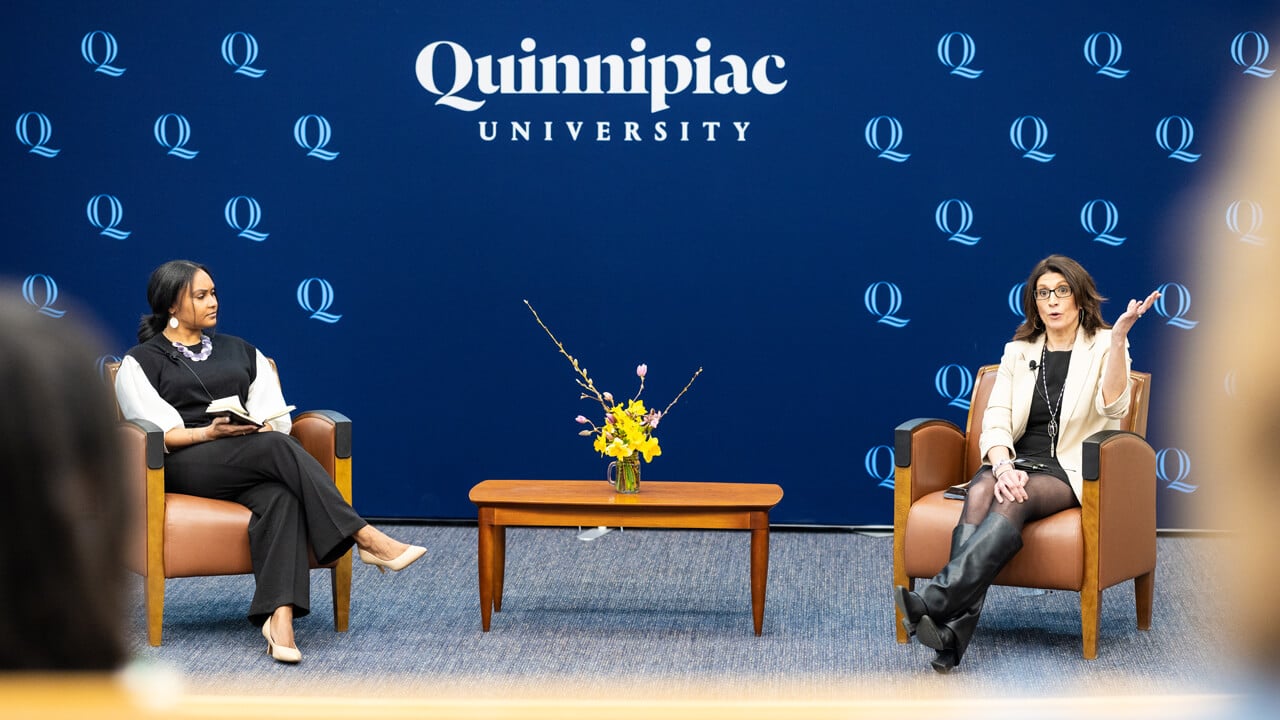
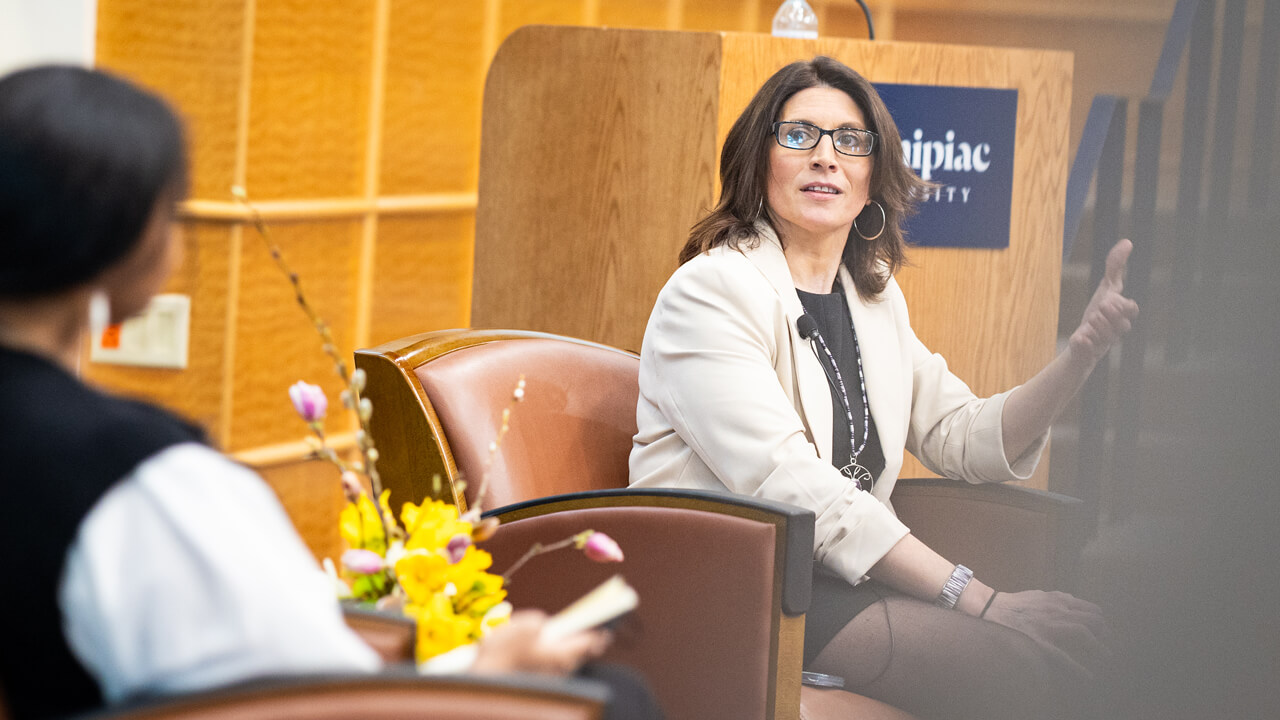
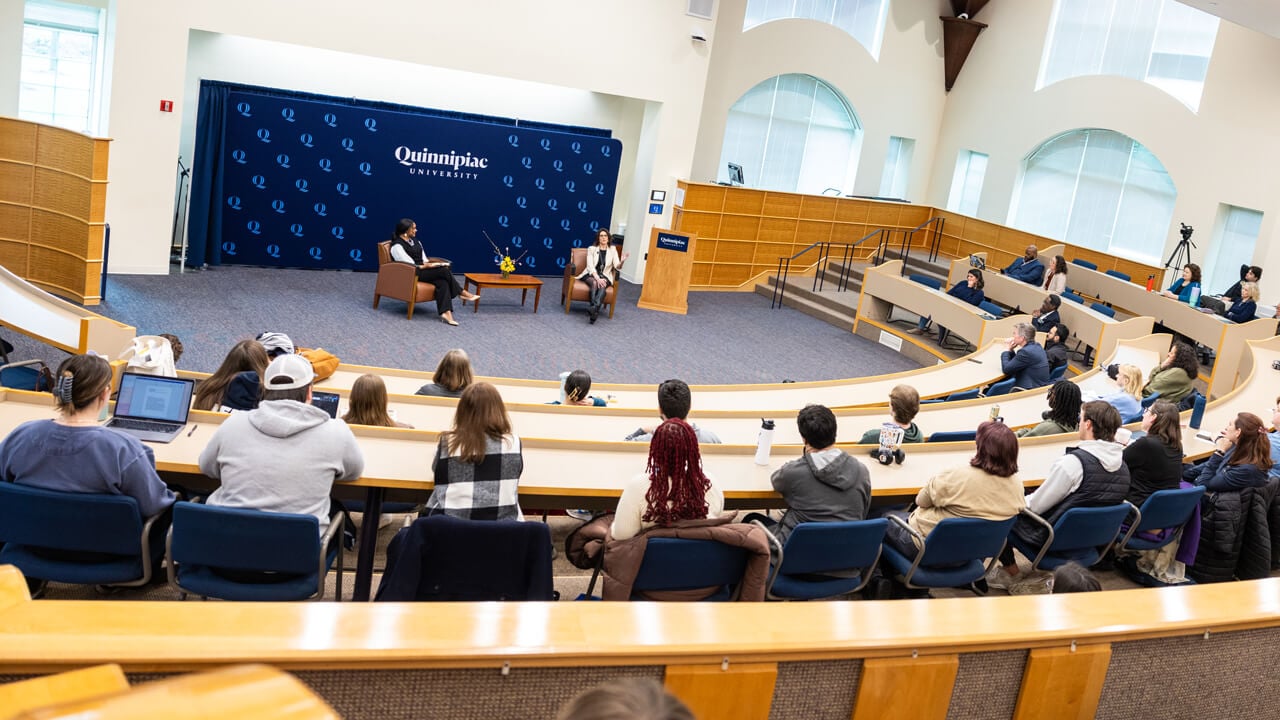
To help acknowledge and respect indigenous people and their land, Quinnipiac University welcomed Mohegan Tribe Vice Chairperson Sarah E. Harris to speak with the university community.
Harris’ talk, “We’re All Part of This Story,” was hosted by the Office of Belonging for Quinnipiac’s ongoing Critical Conversation Speaker Series. Her discussion focused on indigenous communities, people’s rights and how the Mohegan Tribe works with external communities and institutions. Harris also shared a fireside chat with Jennifer Rawlings, JD ’15, tribal affairs director for the Center for Indigenous Peoples Rights, and answered questions from the audience.
Read the full event recap
Powwow Dancing Workshop
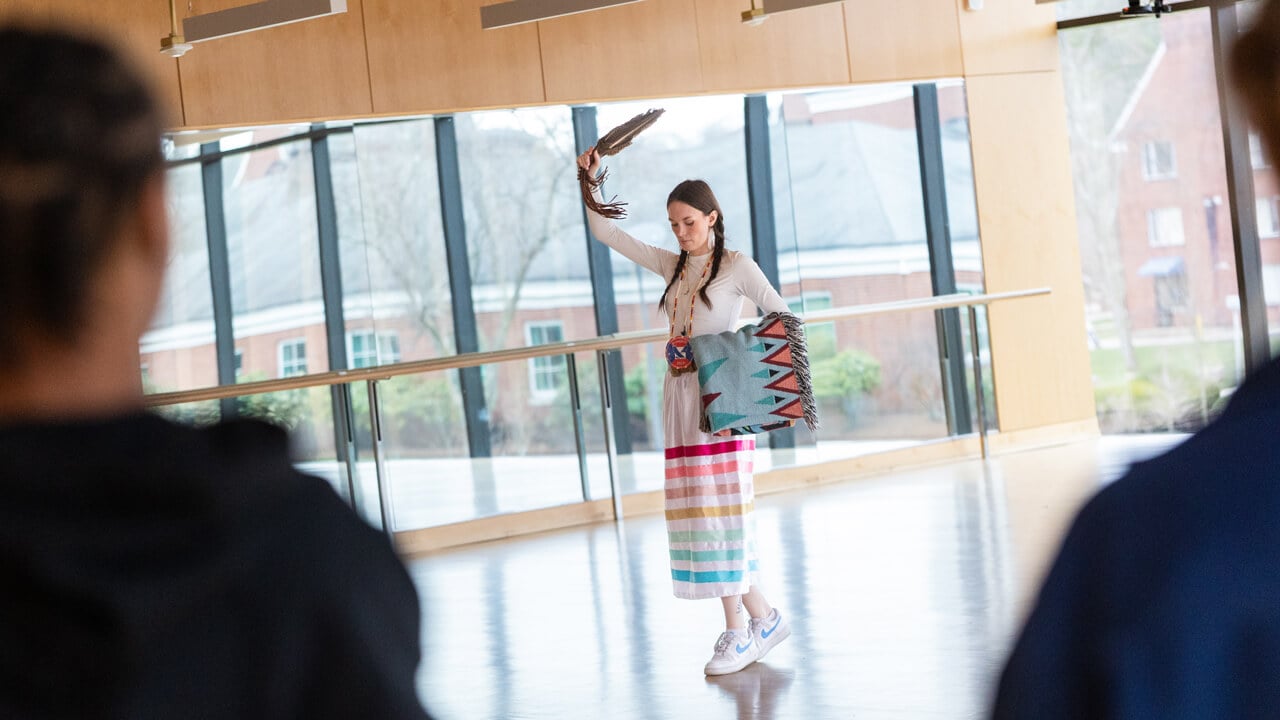
An educational workshop led by Kiara Tanta-Quidgeon, an eastern blanket dancer, brought together the arts, cultural awareness and history of powwow dancing. Dinner was provided, and there was also an opportunity to win Indigenous-made jewelry and other prizes.
“Exploring Possibilities: Can Powwows Transform and Unsettle Higher Ed?” Lunch and Learn
Participants enjoyed a thoughtful dialogue and reflection on how the powwow fits within broader efforts to reimagine higher education through Indigenous epistemologies led by endawnis Spears from the Akomawt Educational Initiative
Office of Belonging
Our team is here to support your journey and foster a vibrant, welcoming community where all Bobcats can thrive.
Meet Our Staff