
Biology professor earns grant totaling more than $180,000
December 18, 2023
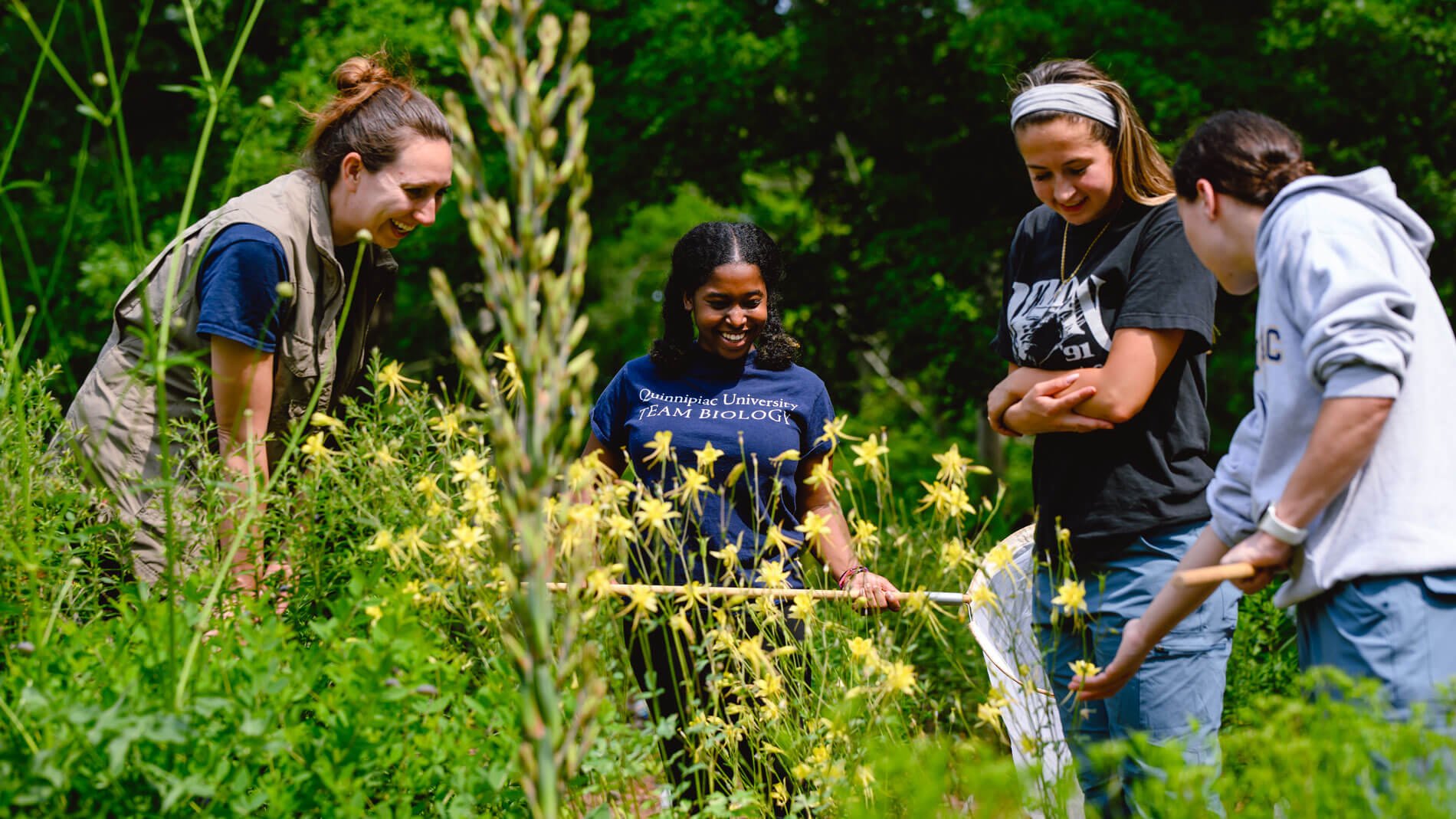
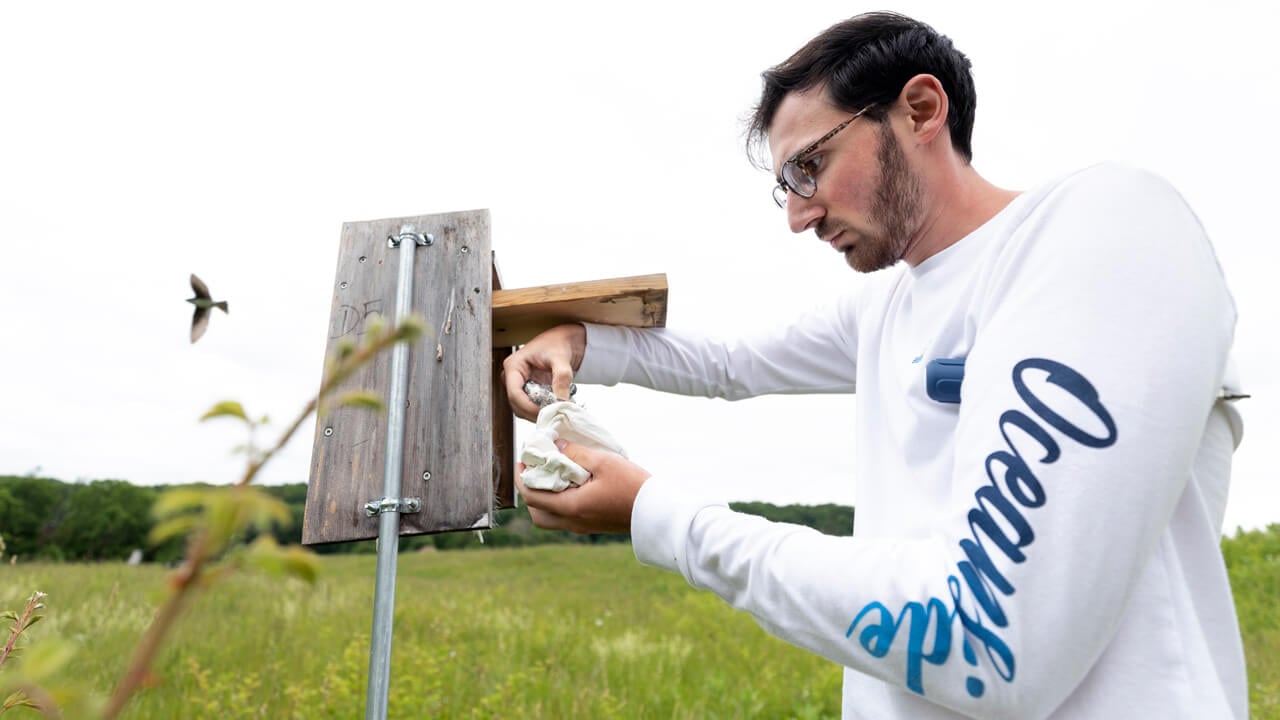
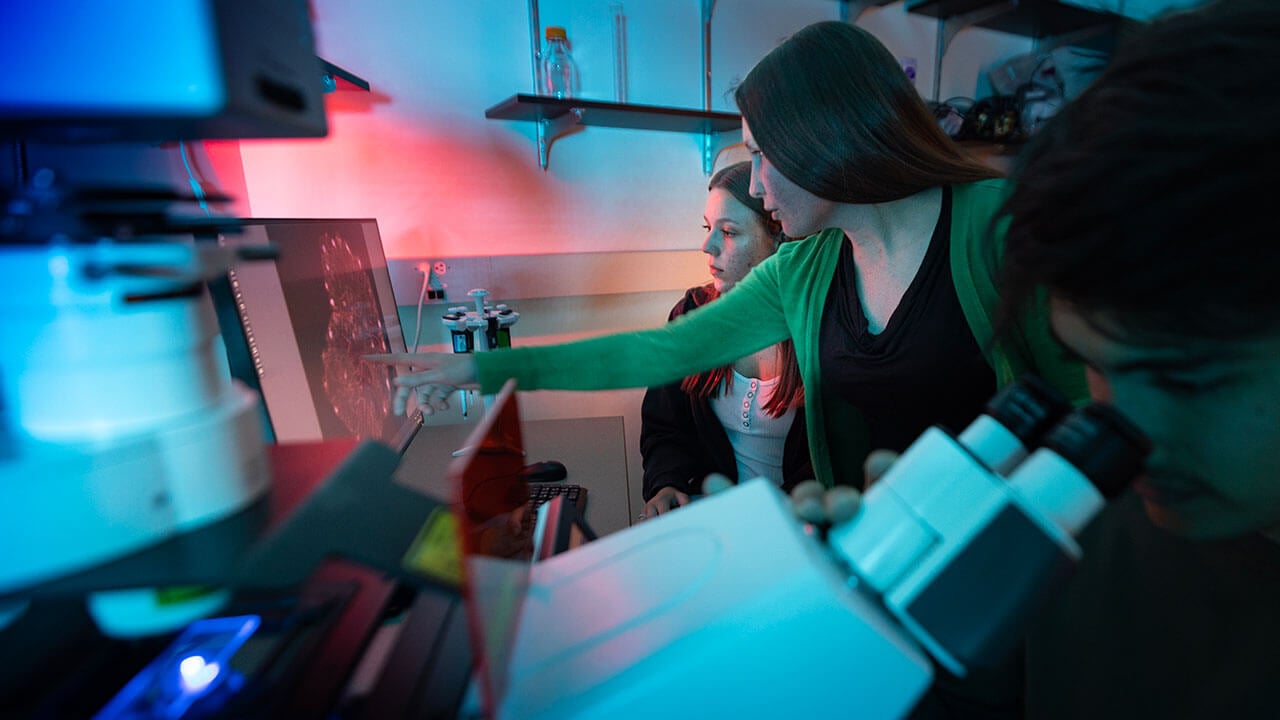
Our BS in Biology offers unmatched flexibility, enabling students to design, perform and present research projects on human diseases, environmental issues and ecological systems.
Roles of microRNAs (miRNAs) and other non-coding RNAs in biology
How an organism’s physiology enables it to cope with changing environmental conditions
Characterization of Drosophila G-protein coupled receptors during embryonic development
Critical thinking in the undergraduate STEM classroom
Improving undergraduate teaching and learning in biology (and STEM overall)
The relationship between plasticizer exposure and altered crayfish aggression, fish social behaviors, and amphipod locomotion
Pollinator health and nutrition;
The evolution of social behavior
Functional-trait responses of forest communities to invasive species
Cell movements and shape changes that occur in the early embryo
Determining the molecular mechanism of action of endocrine disrupting chemicals, while working toward an understanding of zebrafish sexual differentiation
Examining the Quinnipiac River by gas chromatography mass spectrophotometry for the presence of phthalates and plasticizers
The application of molecular tools to the study of parasites that cause neglected tropical diseases
Exploring Mitogen-Activated Protein (MAP) kinases with genetic and biochemical approaches
Beneficial host/microbe interactions, molecular and cellular mechanisms that govern symbioses such as cnidarian-algal and plant root-mycorrhizal fungal symbiosis
As one of the University’s hallmark undergraduate experiences, QUIP-RS is an intensive 8-week program that enables students to work in a laboratory while completing a mentored and funded research project alongside faculty mentors.
December 18, 2023
October 5, 2023
Our undergraduate admissions counselors are here to answer any questions you may have and help you navigate the application process.